
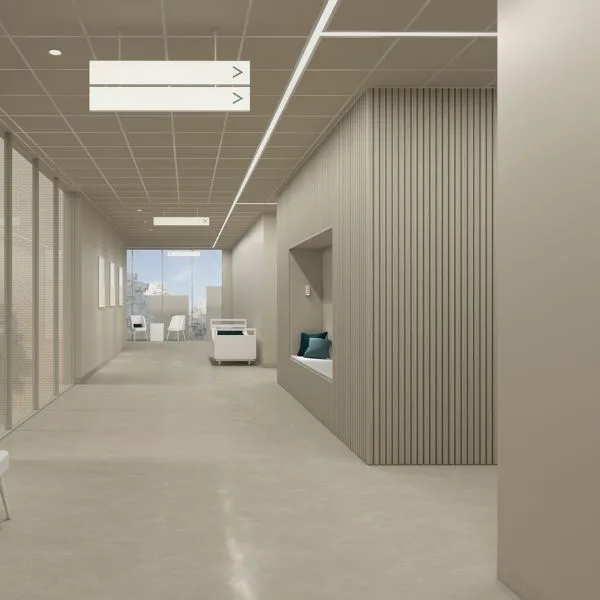
If you’re tasked with enhancing healthcare environments, understanding healthcare lighting is non-negotiable. The right lighting setup can transform patient recovery, boost staff performance, and slash operational costs—all backed by the latest Evidence-Based Design (EBD) principles. In this complete guide to healthcare lighting 2026, you’ll discover how cutting-edge fixtures, control technologies, and application-specific solutions come together to create smarter, safer, and more welcoming healthcare spaces. Ready to revolutionize your facility’s lighting? Let’s dive in.
Understanding Healthcare Lighting
The Role of Light in Patient Recovery
Light is a crucial factor in accelerating patient recovery. Proper healthcare lighting promotes better sleep patterns, reduces stress, and improves mood by mimicking natural daylight. Exposure to well-designed lighting helps regulate patients’ circadian rhythms, which supports healing processes and shortens hospital stays. In addition, appropriate lighting can enhance pain management and reduce the need for sedatives, contributing to faster recovery.
Supporting Staff Visual Acuity and Wellness
Healthcare professionals rely heavily on precise vision for accurate diagnosis and treatment. Effective lighting ensures high visual acuity, reducing eye strain and fatigue during long shifts. Beyond vision, well-designed lighting improves staff alertness and mental wellness, decreasing errors and boosting overall productivity. Ergonomic lighting solutions tailored to workspaces create a comfortable environment, promoting staff well-being essential for patient care quality.
Evidence-Based Design (EBD) Principles
Evidence-Based Design (EBD) integrates scientific research into healthcare lighting projects to maximize positive outcomes. This approach involves selecting lighting systems proven to enhance patient healing and staff performance. EBD encourages the use of tunable light fixtures, daylight integration, and circadian-supportive lighting schedules. By adhering to these principles, healthcare facilities can achieve environments that promote safety, comfort, and operational efficiency, aligning with the latest healthcare lighting complete guide standards for 2026.
Key Benefits of Advanced Healthcare Lighting
Circadian Rhythm and the Biological Clock
Advanced healthcare lighting plays a crucial role in supporting patients’ natural circadian rhythms. By mimicking natural daylight patterns, tunable lights help regulate the sleep-wake cycle, improving mood, sleep quality, and overall recovery. Proper light exposure reduces stress and supports hormone balance, which is vital for healing in hospital environments.
Benefits:
- Enhances sleep and alertness in patients and staff
- Reduces delirium risk in intensive care units
- Supports mental health and recovery speed
Infection Control and Safety Standards
Healthcare lighting must meet strict infection control protocols. Fixtures designed for easy cleaning and resistant materials help minimize bacterial growth. Proper lighting also ensures all areas are visible, reducing accident risks in high-traffic zones. Smooth surfaces and sealed fixtures like recessed or wall-mounted lights reduce dust and contamination buildup.
Key points:
- Smooth, sealed fixture surfaces for easy disinfection
- Anti-microbial finishes where possible
- Bright, uniform illumination for patient safety
You can explore efficient options like recessed lighting luminaires engineered for cleanroom standards.
Operational Efficiency and Energy Savings
Modern LED healthcare lighting systems drastically reduce energy consumption without compromising light quality. Integrating smart controls, sensors, and dimming technologies helps adapt lighting to real-time needs, cutting operational costs and extending fixture lifespan.
| Benefits | Details |
|---|---|
| Energy Efficiency | Up to 50-70% less than traditional lighting |
| Lower Maintenance | Long-lasting LEDs and modular designs |
| Smart Control Integration | Automated sensors reduce waste |
Using solutions like slot wall-mounted linear lights offers an excellent balance of efficiency and design for corridors and common areas.
Advanced healthcare lighting isn’t just about brightness—it’s about creating a healthier, safer, and cost-effective environment tailored for modern medical facilities.
Types of Healthcare Lighting Fixtures
Overbed and Headwall Patient Lighting
Overbed and headwall lighting are essential in patient rooms, offering focused illumination exactly where it’s needed. These fixtures provide adjustable light for medical exams or patient comfort without disturbing rest. They often include dimming controls and easy-to-clean surfaces to meet hygiene standards. For well-designed healthcare environments, using specialized fixtures like the Slot 2 wall-mounted linear light can optimize both functionality and patient comfort.

Tunable and Color-Changing Luminaires
Tunable and color-changing lighting systems are game-changers in healthcare settings. They allow adjustment of light temperature and intensity throughout the day, supporting patients’ circadian rhythms and improving mood. These luminaires can shift from cool, bright light for alertness to warm tones for relaxation, enhancing both patient recovery and staff well-being. Integrating tunable lights effectively enhances the therapeutic environment with dynamic lighting solutions.
LED Skylights and Luminous Virtual Windows
In spaces where natural light is scarce, LED skylights and luminous virtual windows offer realistic daylight simulation. These fixtures bring much-needed brightness and visual comfort to interior rooms, which helps reduce patient stress and improve overall satisfaction. Their energy-efficient LED technology mimics the qualities of natural light while saving costs. Incorporating such lighting options can dramatically enhance windowless healthcare areas.
Wall Sconces and Vanity Lighting
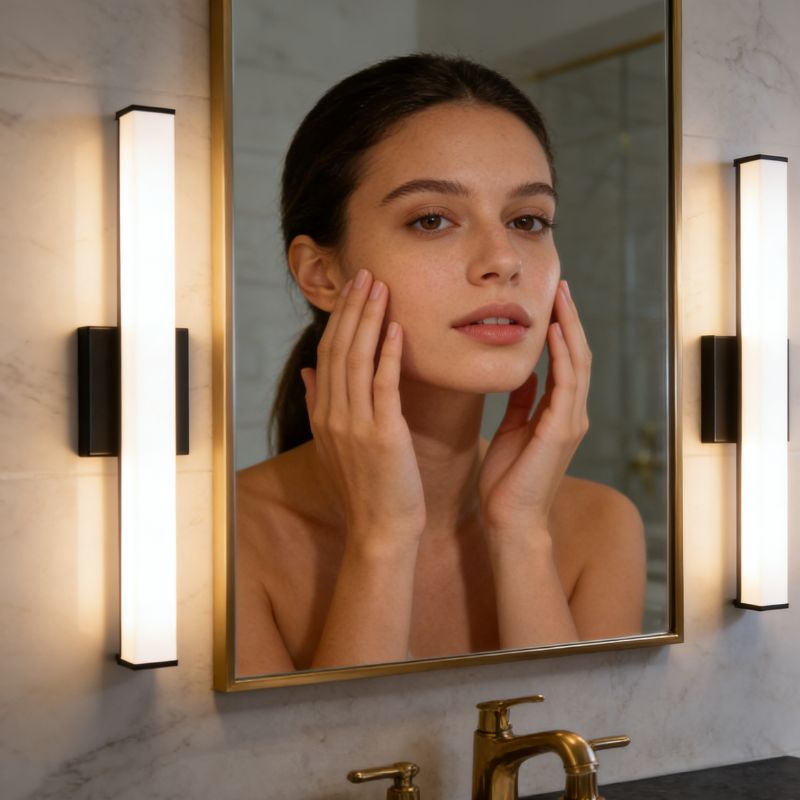
Wall sconces and vanity lights provide softer, ambient illumination in patient rooms, bathrooms, and corridors. They add a layer of indirect light that complements primary lighting, helping to minimize glare and shadows. Well-placed sconces support a calming atmosphere, making spaces feel less clinical and more welcoming. These fixtures are also key in ensuring staff and patients can perform grooming and routine tasks safely and comfortably.
Lighting Solutions by Application Area
Patient Rooms and Intensive Care Units (ICU)
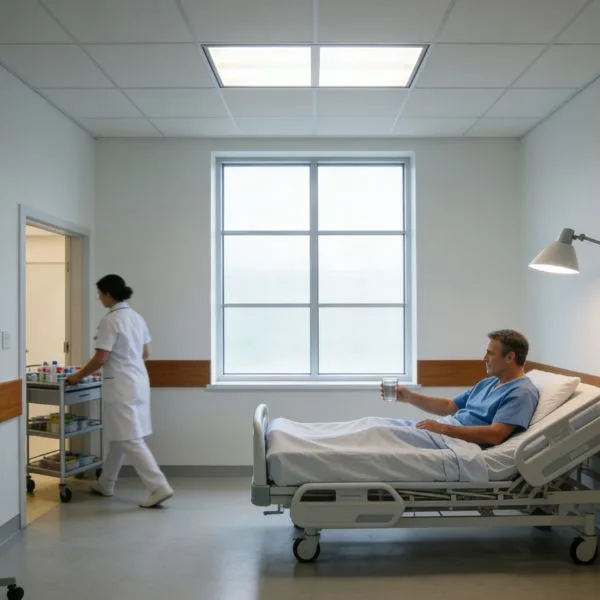
Lighting in patient rooms and ICUs must balance comfort with functionality. Adjustable lighting allows patients to control their environment, reducing stress and aiding recovery. In ICUs, specialized task lighting supports precise care while minimizing glare. Tunable LED fixtures help simulate natural daylight cycles, promoting circadian rhythm alignment, which is crucial for patient healing. Incorporating energy-efficient, durable fixtures ensures long-term savings and safety. For sourcing reliable LED fixtures suitable for patient environments, consider options from quality suppliers with expertise in healthcare settings.
Operating Rooms and Diagnostic Imaging (MRI)
Operating rooms demand bright, shadow-free lighting to support surgical precision and safety. High-CRI (Color Rendering Index) LED lights improve color accuracy, enabling surgeons to better assess tissues. Additionally, lighting must be compatible with MRI machines to avoid interference—non-magnetic, specialized fixtures are essential. Scalable lighting controls help customize light levels during procedures, enhancing visual acuity and reducing fatigue. For designing these spaces, selecting linear LED fixtures with excellent uniformity and compatibility is critical; check out comprehensive architectural lighting guides for best practices.
Lobbies, Hallways, and Nursing Stations
These common areas require lighting that ensures safety while supporting staff efficiency. Bright, evenly distributed illumination in hallways prevents accidents and eases navigation. Lobbies benefit from warm, inviting lighting to create a welcoming atmosphere for patients and visitors. Nursing stations need task-specific lighting that reduces eye strain during long shifts. Using energy-efficient bulk LED up and down lights is a smart solution here, offering consistent brightness with low maintenance costs. Explore trusted resources on bulk LED up and down lights to find suitable options.
Behavioral and Mental Health Facilities
Lighting in behavioral and mental health facilities plays a vital role in patient well-being. Soft, glare-free lighting helps create a calming environment, while tunable lights can be adjusted to reduce agitation and support mood stability. Natural daylight simulation is especially important, as it helps regulate sleep-wake cycles and supports therapeutic outcomes. Incorporating indirect lighting and luminaires with adjustable color temperatures enhances comfort and safety. Choosing fixtures designed to minimize harsh shadows and flicker is key in these sensitive settings to avoid triggering negative reactions.
In , when planning healthcare lighting for different application areas, it’s essential to match the light quality, controls, and fixture types to the unique needs of patients and staff, balancing function, comfort, and energy efficiency for the best outcomes.
Lighting Control Systems and Technology
Automated Sensors and Energy Efficiency
Automated sensors have become a staple in advanced healthcare lighting systems, helping facilities cut energy waste effortlessly. These sensors adjust lighting based on occupancy and natural daylight levels, ensuring rooms stay well-lit only when needed. This not only reduces electricity bills but also extends the lifespan of the fixtures. For hospitals aiming to boost sustainability while maintaining optimal lighting, integrating sensor-driven solutions is a smart move.
Integration with Medical Supply Units
Linking lighting controls with medical supply units enhances patient care and staff efficiency. For example, lights can be programmed to brighten automatically when staff approach emergency equipment or medication stations, improving visibility and speeding up response times. This seamless integration reduces manual handling and supports smooth clinical workflows, vital in busy healthcare environments.
Smart Controls for Circadian Tuning
Healthcare lighting that adapts to the body’s natural rhythms is gaining traction worldwide. Smart controls enable dynamic circadian tuning by shifting light color temperature and intensity throughout the day. This technology promotes better sleep patterns, improves mood, and supports faster patient recovery. Facilities can customize these settings to different areas—like patient rooms or nursing stations—optimizing lighting for wellness and productivity.
For facilities exploring modular, efficient lighting options, products like the X Shape Modular Linear Light are designed to integrate smoothly with smart controls, delivering both performance and flexibility to meet healthcare lighting needs.
Planning Your Healthcare Lighting Project
Evaluating Lighting Needs and Compliance
When planning your healthcare lighting project, the first step is evaluating the specific lighting needs of each area, from patient rooms to surgical suites. Consider factors like the required brightness, color temperature, and glare control to enhance patient comfort and staff performance. Don’t forget to ensure your design complies with healthcare regulations and safety standards, which are crucial for infection control and overall wellbeing. Using advanced LED lighting solutions like the 2.75″ recessed linear LED ceiling lights can help meet these needs efficiently while maintaining energy savings.
Reviewing Case Studies and Real-World Applications
Before finalizing your lighting plan, review case studies that highlight successful healthcare lighting implementations. These real-world examples offer insights into practical challenges, user feedback, and measurable benefits such as improved patient recovery times and reduced staff fatigue. The lessons from these applications can inform smart choices, from fixture selection to lighting control systems, helping you avoid costly mistakes and ensure your project is future-proof.
Connecting with Lighting Design Experts
Healthcare lighting is a specialized field requiring knowledge of both technology and healthcare needs. Collaborating with lighting design experts can elevate your project by combining practical experience with the latest innovations in tunable luminaires and automated controls. Experts can guide you in selecting products tailored to your facility’s specific requirements, ensuring seamless integration with existing infrastructure and regulatory compliance. Engaging with seasoned professionals from the start saves time and resources while delivering lighting that supports healing and operational efficiency. For example, modular linear lighting fixtures such as the rectangular modular linear light provide flexible, customizable options perfect for diverse healthcare spaces.
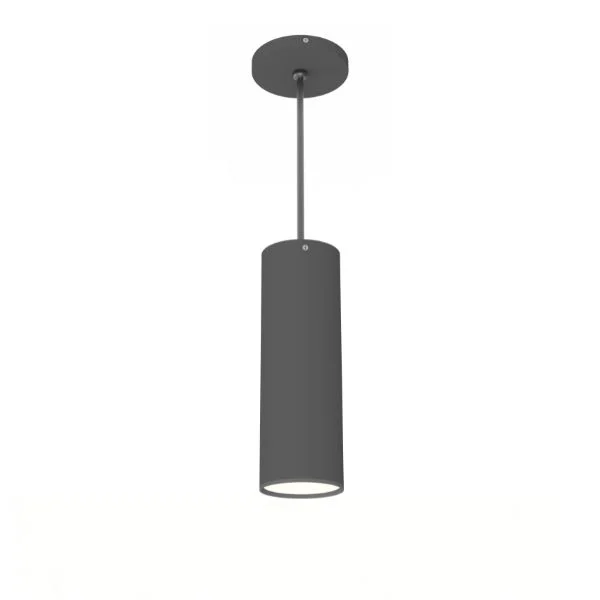
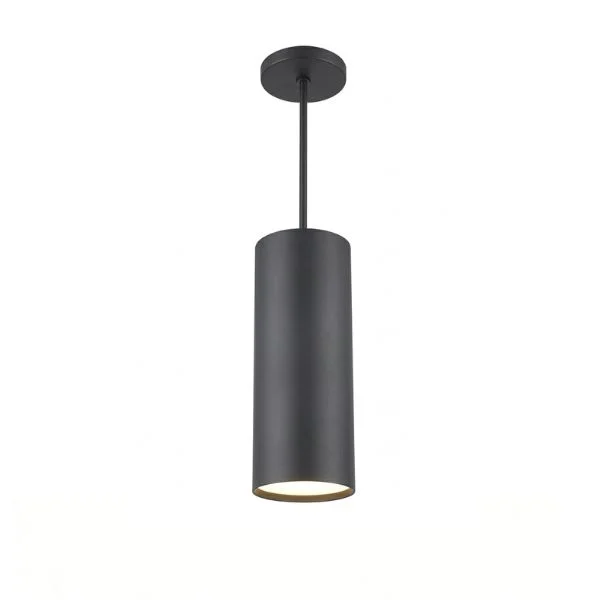
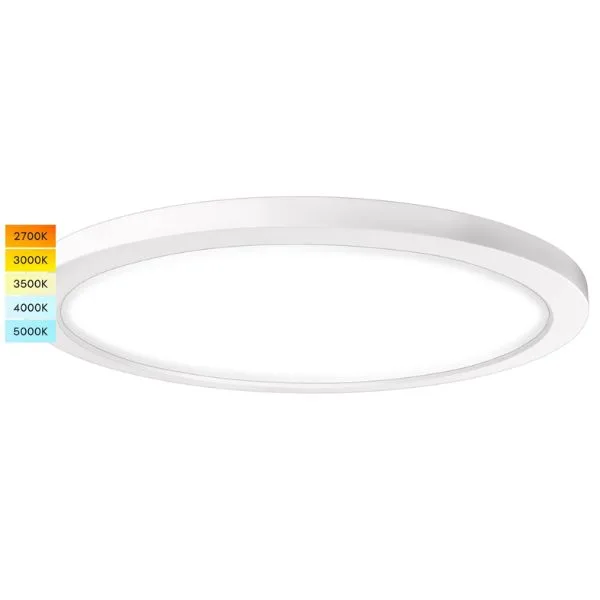
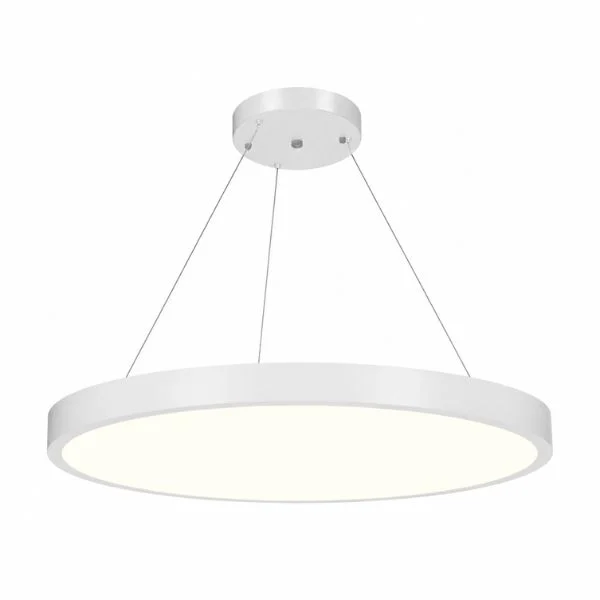
Review Complete Linear Lights for Healthcare Lighting Solution






STAY IN THE LOOP
Subscribe to our free newsletter.
Leave A Comment
The Ultimate Guide to Commercial LED Stairwell Lighting Fixtures For [...]
If you’re looking to master the art of dimmable LED [...]
If you’re aiming to elevate your space with the perfect [...]

A Comprehensive Guide to Hospital Patient Room Lighting Effective hospital [...]