Introduction to Architectural Lighting
Ever wondered what makes a building truly stand out or why some spaces just feel right the moment you step in? That’s the power of architectural lighting at work. Unlike regular or decorative lighting, architectural lighting is designed with purpose—it’s about blending light seamlessly with the architecture to enhance the space’s form, function, and overall experience.
What Is Architectural Lighting?
At its core, architectural lighting focuses on illuminating buildings and interiors to support design intent. It highlights structure, texture, and spatial flow while ensuring the area is safe and comfortable. This type of lighting isn’t just about brightening a room; it’s a thoughtful integration of light fixtures and sources that complement the architecture.
How Is It Different from General or Decorative Lighting?
- General lighting provides basic illumination—think bright enough to see but nothing more.
- Decorative lighting is primarily for style—chandeliers or pendant lights add flair but don’t shape the environment.
- Architectural lighting goes beyond basics and decoration. It’s strategic, often hidden, and tailored to enhance both the look and usability of a space.
Why Architectural Lighting Matters
Good architectural lighting transforms more than just visual appeal:
- Enhances aesthetics: Highlights textures, shapes, and focal points to create stunning visuals.
- Improves functionality: Makes tasks easier and spaces more usable.
- Boosts safety: Proper illumination reduces accidents and guides occupants.
- Supports well-being: Human-centric lighting balances circadian rhythms, improving mood and productivity.
Market Growth and Trends
The demand for smarter, more energy-efficient, and customizable architectural lighting is booming. Innovations like LED architectural fixtures, smart lighting controls, and tunable color temperature systems are driving market growth. From residential buildings to commercial facades, architectural lighting is evolving fast—making spaces more engaging and sustainable than ever before.
In the next sections, we’ll break down the fundamentals, types, and design strategies that make architectural lighting a game changer in modern design.
Fundamentals and Core Principles of Architectural Lighting
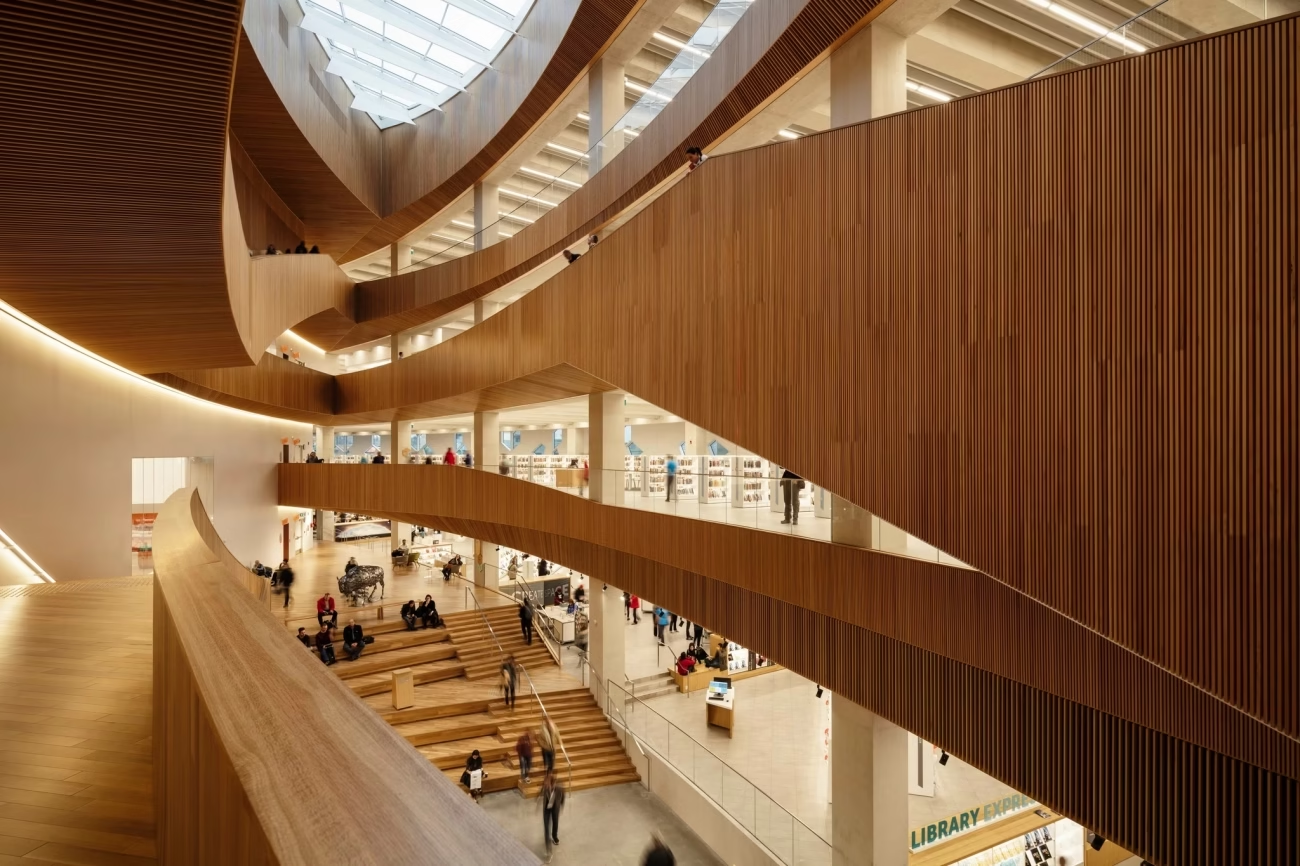
Understanding the science behind architectural lighting is key to a successful design. It starts with illuminance (the amount of light falling on a surface) and luminance (how bright that surface appears to the eye). Color temperature plays a big role too, measured in Kelvins (K), it affects the warmth or coolness of light, influencing mood and space feel. Alongside this, the Color Rendering Index (CRI) indicates how accurately light reveals true colors, which is crucial for environments like retail or galleries.
When designing lighting layers, keep these core principles in mind:
- Layering: Combine ambient, task, and accent lighting to create balance and depth.
- Contrast: Use light and shadow thoughtfully to emphasize textures and architectural details.
- Uniformity: Avoid patchy or overly bright spots by ensuring even distribution.
- Directionality: Control the angle and focus of light to reduce glare and highlight what matters.
- Glare control: Proper fixture placement and lens options prevent discomfort and visual fatigue.
Balancing natural daylight with artificial lighting is another essential aspect. Daylight changes throughout the day, so integrating adjustable sources like dimmable LED fixtures helps maintain consistent illumination and energy efficiency.
Finally, human-centric lighting is gaining momentum in architectural lighting design. This approach adapts lighting to support our natural circadian rhythms, enhancing mood, comfort, and productivity in spaces like offices and homes. By tuning color temperature and brightness throughout the day, smart lighting systems make environments healthier and more responsive to our biological needs.
For practical applications, fixtures like the direct-indirect wall light blend ambient and accent lighting effectively, perfect for layering and glare control in modern architectural projects.
This foundation sets the stage for smart, stylish, and healthier spaces, putting architectural lighting at the core of good design.
Types of Architectural Lighting
Architectural lighting design relies on different types of lighting to shape the space and enhance how it feels and functions. Here are the main types you’ll see used:
Ambient (General) Lighting
This provides overall illumination, making sure spaces are comfortably lit for everyday activities. It sets the base layer of light for a room, helping people see and move around safely.
Task Lighting
Task lighting focuses on specific activities like reading, cooking, or working. It offers brighter, more direct light to support tasks that need higher visibility without causing glare or discomfort.
Accent Lighting
Accent lighting highlights architectural features, artwork, or unique textures to add drama and depth. It directs attention and creates visual interest by making certain elements stand out.
In modern architectural lighting, these types are often combined using common integration methods such as cove, soffit, valance, recessed, and linear lighting. For example, recessed and linear fixtures are popular choices for delivering clean, subtle light layers; you can check out efficient options like the 2.75 recessed linear LED ceiling lights to achieve sleek, modern illumination.
Carefully mixing these types helps create well-balanced lighting that enhances both function and style in any building design.
Lighting Techniques and Effects
Architectural lighting design relies on various techniques to shape space, create mood, and highlight features. Common methods like uplighting and downlighting serve different purposes—uplighting directs light upward to enhance ceilings or walls, while downlighting offers focused task or ambient light from above. Techniques such as wall washing evenly illuminate vertical surfaces to soften textures or colors, and grazing uses light at a sharp angle to emphasize surface details like stone or wood grain.
These effects help create depth by balancing shadows and highlights, guiding the eye to focal points and architectural elements. Understanding the difference between indirect and direct lighting is key: indirect lighting bounces light off surfaces for soft, spread-out illumination, while direct lighting beams light straight onto a target for sharp focus and contrast.
Modern architectural lighting increasingly incorporates dynamic effects like dimming, color tuning, and smart integration. These allow spaces to adapt lighting intensity and color temperature to suit time of day or activity, enhancing both aesthetics and human comfort. For example, combining dimmable fixtures with smart controls can shift a room’s ambiance from bright and energetic to warm and relaxing without changing bulbs.
To see practical examples of versatile wall-mounted solutions that support grazing and accent lighting, check out the wall-mounted stairwell light and the slot 4 wall-mounted linear light, which offer excellent beam control and sleek design for modern spaces.
Fixtures, Sources, and Technology
Architectural lighting has come a long way from traditional incandescent and fluorescent bulbs to LED-dominated systems. LEDs now lead the market thanks to their energy efficiency, long lifespan, and design flexibility—making them ideal for modern architectural lighting design.
Common fixture types include recessed downlights, linear strips, track systems, and wall grazers. Recessed downlights provide clean, focused illumination without interrupting ceiling lines, while linear strips offer seamless lighting runs perfect for cove or valance lighting. Track systems add versatility by allowing fixture repositioning, and wall grazers enhance textured surfaces with dramatic grazing light effects.
The advantages of LEDs go beyond energy savings—they deliver excellent color temperature options and high color rendering index (CRI), ensuring spaces look vibrant and inviting. When selecting fixtures, consider durability, beam control, and aesthetics to fit your project’s needs. For example, Prillumenlight’s collection features high-quality recessed linear fixtures and linear pendant light fixtures designed for both performance and streamlined design, making them a reliable choice for architectural lighting projects in the U.S. market.
Choosing the right LED architectural fixtures means balancing efficiency with design impact, ensuring your lighting enhances both form and function across your spaces.
Design Process Step-by-Step
A solid architectural lighting design starts early—lighting should be part of the initial architectural concept, not an afterthought. Early planning ensures that lighting layers work seamlessly with the building’s form and function, balancing natural daylight with artificial sources for a cohesive look and feel.
Next comes a thorough site assessment. This means understanding the space’s purpose, size, daylight availability, and key areas that need emphasis. With this info, you can map out a layering strategy: ambient, task, and accent lighting all need to be carefully balanced to meet aesthetic and practical goals.
Fixture selection and placement are critical. Choose LED architectural fixtures like recessed downlights, linear strips, or track systems that suit the design’s style and lighting needs. Consider how direct or indirect light will affect glare, shadows, and mood. Controls like dimmers and smart lighting systems add flexibility for dynamic environments.
Finally, commissioning and testing are vital. This phase involves fine-tuning fixture positions, verifying light levels, and adjusting controls to ensure the lighting performs as intended. It’s where all layers unify into a lighting scheme that enhances the space’s beauty, comfort, and functionality.
For durable and stylish fixture options that meet US standards, exploring collections like the architectural LED troffer can be a great start when selecting the right products for your project.
Applications Across Spaces
Architectural lighting plays a vital role in shaping the look and feel of various spaces—residential, commercial, and beyond. In residential settings, lighting goes beyond brightness; it sets moods in kitchens, living areas, and outdoor facades, enhancing both comfort and curb appeal. For example, well-placed cove lighting or recessed downlights can create inviting atmospheres, while exterior building illumination highlights architectural features during the night.
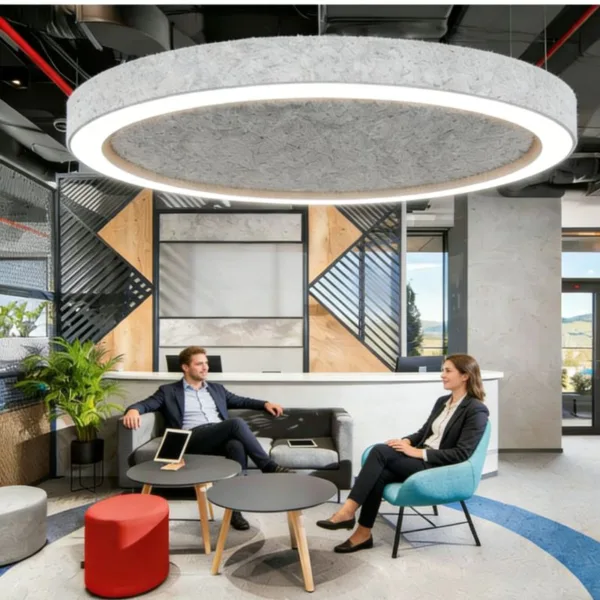
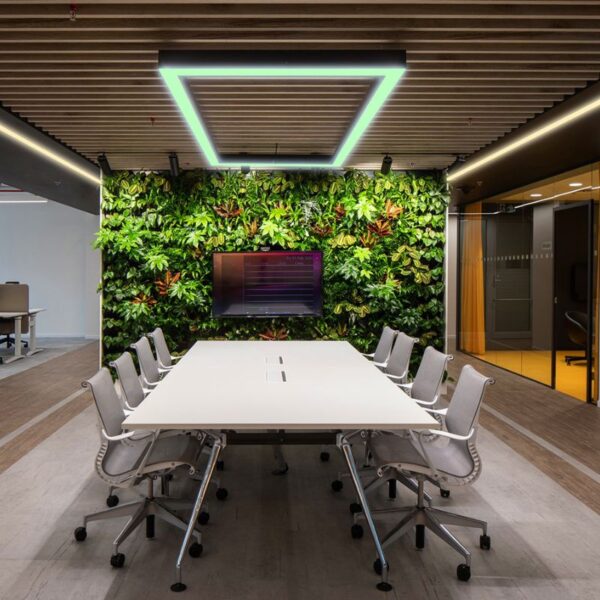
In commercial spaces like offices, retail stores, hospitality venues, and public buildings, architectural lighting focuses on functionality and ambiance. Efficient task lighting improves productivity, while carefully designed accent lighting techniques highlight merchandise or décor. Dynamic lighting solutions such as dimmable panels or color temperature lighting can adapt environments to different needs throughout the day.
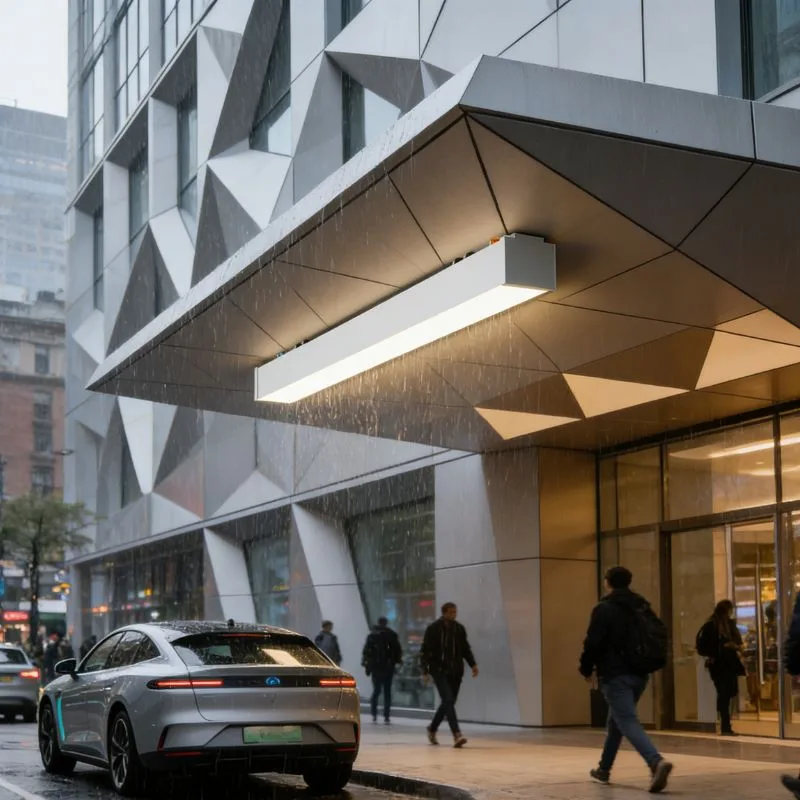
When it comes to exterior and facade lighting, the goal is to emphasize building forms and textures elegantly. Techniques like wall washing and grazing light effect add depth and interest to outdoor surfaces. This kind of lighting not only beautifies but also improves safety and visibility.
Specialized environments—including museums, healthcare, and educational institutions—require tailored lighting solutions. For instance, healthcare settings benefit greatly from human-centric lighting, which supports patient well-being, while museums rely on precise accent lighting to showcase artwork without damage. Educational spaces often combine ambient and task lighting for optimal learning conditions.
For integrating lighting into such diverse environments, exploring options like the efficient and versatile UpDown Pendant Panel Light can be a smart choice, offering elegance and quality combined with energy efficiency.
By matching the right architectural lighting design to each setting, you enhance aesthetics, functionality, and user experience on every level.

Sustainability and Energy Efficiency
Sustainability is a top priority in architectural lighting design today. Reducing energy consumption isn’t just about cutting costs; it’s about minimizing environmental impact too. Smart lighting controls and sensors play a big role here by adjusting light levels based on occupancy or daylight availability, helping save energy without sacrificing comfort or safety.
Meeting compliance with industry standards and certifications ensures your lighting system is both efficient and environmentally responsible. This includes following guidelines like ENERGY STAR® or the WELL Building Standard, which focus on energy savings and human-centric lighting needs.
The long-term benefits are clear:
- Lower energy bills from optimized lighting schedules and dimming controls
- Extended fixture lifespan by avoiding overuse
- Reduced carbon footprint thanks to efficient LED architectural fixtures and smarter design
- Better occupant comfort with lighting that adapts to natural rhythms
For example, integrating LED solutions such as linear LED fixtures and recessed downlights combines durability with energy efficiency, making it easier to meet sustainability goals while enhancing architectural features. Brands like Prillumenlight offer collections tailored for both style and performance that meet these energy-efficient standards.
By focusing on sustainable materials and smart controls, you not only future-proof your project but also contribute to a greener built environment, which is increasingly important in the U.S. market.
Common Challenges and Solutions in Architectural Lighting
Architectural lighting comes with its share of challenges—glare, unwanted shadows, or over-illumination can quickly ruin a well-planned design. Avoiding these issues starts with smart fixture placement and selecting the right type of lighting. For example, using accent lighting techniques like wall washing or grazing can help highlight textures without causing harsh shadows or discomfort.
Retrofitting older buildings often poses a difficulty since existing structures might limit fixture choices or wiring options. In such cases, slim and adaptable LED architectural fixtures, like recessed downlights or modular linear lighting, are excellent because they fit into tight spaces and offer precise beam control. Products such as the hexagonal modular linear light provide flexible solutions for updating lighting without complete overhauls.
Budget constraints usually influence fixture selection and installation scale. However, energy-efficient lighting like LEDs ensures long-term savings through reduced energy costs and maintenance. Prioritizing quality over quantity avoids compromising design effectiveness. Planning layered lighting carefully helps meet functional needs while staying within budget—with options like task lighting for key areas and ambient lighting for overall illumination.
Key solutions to common challenges:
- Use glare control methods by choosing fixtures with proper shielding and beam angles
- Employ layering techniques to balance lighting and eliminate harsh shadows
- Select versatile LED fixtures adaptable to retrofit environments
- Focus on energy-efficient products offering durability and lower operating costs
- Plan budgets with a focus on quality to ensure long-term benefits
Addressing these challenges thoughtfully leads to architectural lighting designs that are functional, visually appealing, and cost-effective.
Future Trends in Architectural Lighting
Architectural lighting is evolving fast, driven by smarter technology and growing focus on well-being and sustainability. One major trend is human-centric lighting that adjusts color temperature and brightness throughout the day. This tunable white lighting supports natural circadian rhythms, improving mood, productivity, and comfort in both homes and workplaces.
The rise of IoT integration and adaptive systems is also reshaping architectural lighting design. Smart lighting controls allow buildings to respond automatically to occupancy, daylight, and user preferences, leading to better energy efficiency and user experience. For instance, advanced LED fixtures paired with wireless controls make it easy to customize scenes or enable dynamic effects remotely.
Sustainability is front and center. Designers prioritize sustainable materials and circular design methods to reduce waste and environmental impact. This means creating lighting products that are recyclable, use less energy, and last longer—helping businesses and homeowners alike meet strict energy standards.
Finally, innovations in flexible LEDs and wireless control options are expanding creative possibilities. Flexible linear lights and modular systems, like those featured in modern collections such as rectangular modular linear lights, offer customization without limits. Wireless technologies reduce installation complexity and enable seamless upgrades.
Staying ahead means embracing these advancements to create architectural lighting solutions that are smarter, greener, and more in tune with people’s needs.
STAY IN THE LOOP
Subscribe to our free newsletter.
Leave A Comment
Top 10 Under Cabinet Lighting Brands in the USA for [...]
Top 15 Office Lighting Suppliers in the USA (2026 Complete [...]
Top 10 LED Wraparound Light Brands in the USA: 2026 [...]