If you’re looking to master the art of dimmable LED light fixtures, you’ve come to the right place. Understanding how these fixtures work isn’t just about flipping a switch — it’s about unlocking energy savings, customizing ambiance, and extending the life of your lighting setup. Whether you’re a homeowner, business owner, or facility manager, this is the ultimate guide for 2026 to help you navigate everything from tech like 0-10V dimming and PWM to picking the perfect fixture for your space. Ready to light up your knowledge and make smarter choices? Let’s get started.
Understanding Dimmable LED Light Fixtures
How LED Dimming Technology Works
Dimmable LED light fixtures use advanced technology to adjust brightness levels smoothly and efficiently. Unlike traditional bulbs that rely on reducing voltage, LED dimming controls the power supplied to the light source, allowing for precise dimming without flicker or loss of color quality. This technology helps save energy and enhances user comfort by letting you customize lighting intensity to suit any setting.
What is 0-10V Dimming?
0-10V dimming is one of the most common methods used in dimmable LED light fixtures. It works by sending a low-voltage control signal (between 0 and 10 volts) to the driver, which adjusts the light output accordingly. At 10 volts, the fixture runs at full brightness, while at 0 volts, it dims to the lowest light level or turns off. This system is favored in commercial and industrial settings for its simplicity and compatibility with a wide range of LED fixtures.
Understanding Pulse Width Modulation (PWM)
Pulse Width Modulation (PWM) is another key dimming technique in LED fixtures. It controls brightness by rapidly switching the LED on and off at varying intervals—called duty cycles—without changing the voltage. The longer the LED stays on during each cycle, the brighter it appears. PWM ensures smooth dimming and maintains consistent light color, making it ideal for residential and decorative lighting where precision is important.
By understanding these core dimming technologies—LED dimming control, 0-10V dimming, and PWM—you can better choose the right dimmable LED light fixtures for your needs. These technologies collectively deliver energy efficiency, enhanced lighting control, and customizable ambiance, essential for modern lighting solutions in 2026.
Why Choose Dimmable LED Lighting?
Energy Efficiency and Lower Costs
Dimmable LED light fixtures let you reduce power usage by dimming the lights when full brightness isn’t needed. This not only saves energy but also lowers your electricity bills. Compared to traditional bulbs, LEDs consume far less power and generate less heat, making them a top choice for cost-conscious users worldwide.
Creating the Perfect Ambiance
One major benefit of dimmable LED lighting is the ability to set the right mood for any space. Whether you want bright, focused light for work or soft, warm light for relaxing evenings, dimmable LEDs make it easy to customize. This flexibility is great for homes, offices, and retail spaces alike—helping you adapt lighting to any occasion.
Extending the Lifespan of Your Fixtures
Dimming LED fixtures reduces stress on the lights by lowering the electrical current. This results in less heat and wear inside the fixture, extending the life of the LEDs dramatically. Longer-lasting lights mean fewer replacements and less maintenance—saving you time and money in the long run.
For detailed guidance on choosing LED fixtures that fit your setting, check out this comprehensive resource on office lights and hanging solutions.
Popular Types of Dimmable LED Fixtures
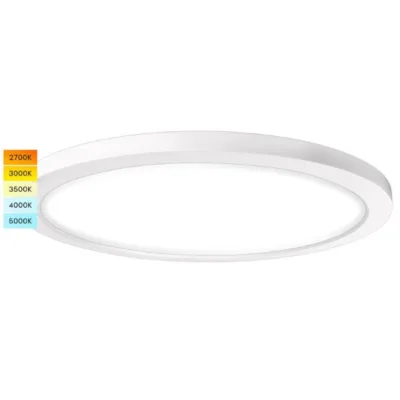
Surface and Flush Mount Ceiling Lights
These are some of the most common dimmable LED fixtures, ideal for residential and commercial spaces. Surface and flush mount ceiling lights offer a sleek look with easy installation and maintenance. They work well in living rooms, hallways, and offices where soft, adjustable lighting is needed to create a comfortable atmosphere. Many models support a variety of dimming technologies for smooth brightness control.
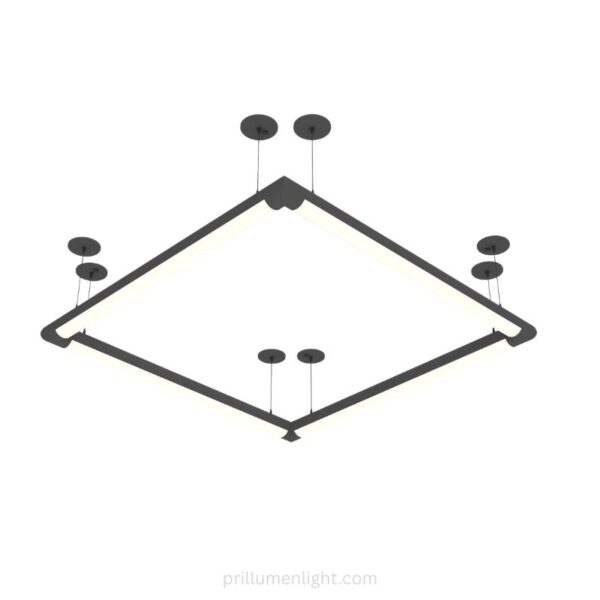
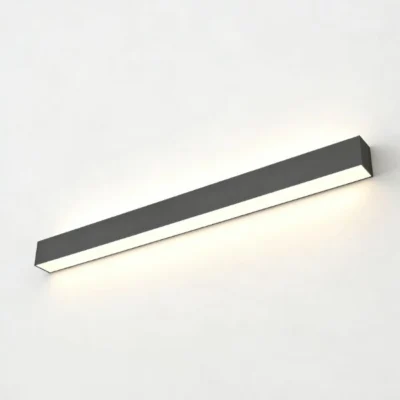
Dimmable Linear Architectural Lights
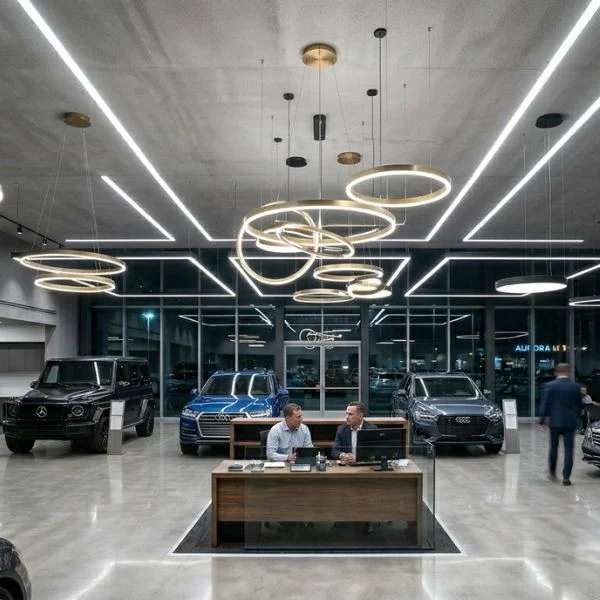
Perfect for offices, retail, and hospitality spaces, dimmable linear architectural lights provide elegant illumination with energy-efficient dimming options. They’re designed for open workspaces, corridors, lobbies, and feature areas where lighting needs to adapt to different activities, moods, and times of day. Dimming enhances visual comfort, supports circadian rhythms, and extends fixture lifespan in these dynamic architectural environments.
Recessed and Commercial Downlights
Recessed dimmable LED downlights are a popular choice for modern interiors seeking clean, unobtrusive lighting. They blend into ceilings seamlessly while allowing precise dimming control to customize light levels in offices and retail spaces. These fixtures can create layered lighting effects, improving both functionality and ambiance. For specialized applications, you might explore options like the dual-lens LED troffer light, which combines commercial efficiency with dimmable versatility.
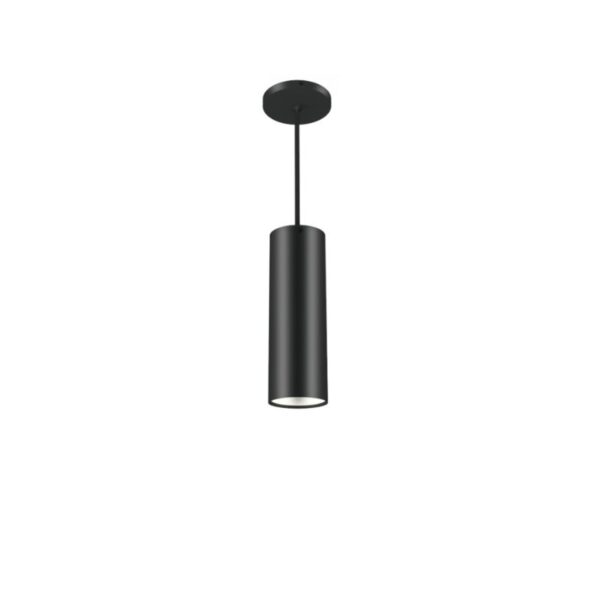
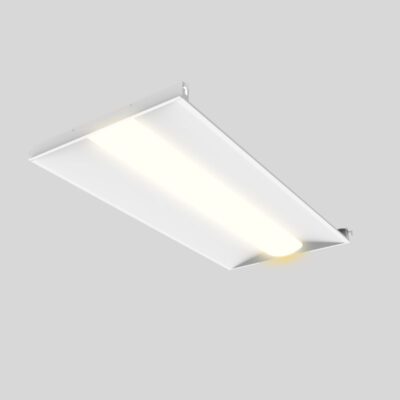
LED Panels, Troffers, and Strip Lights
LED panels and troffers offer widespread, flicker-free dimmable lighting that’s great for offices and commercial buildings. They provide uniform brightness across large areas and integrate well with automated lighting systems. Dimmable LED strip lights bring design flexibility, allowing you to highlight architectural features or add accent lighting with smooth dimming adjustments. When selecting panels and troffers, consider fixtures that support the latest dimming protocols to maximize performance and energy savings. For more design ideas and applications, check out comprehensive resources like our UL lighting fixtures ultimate guide 2026.
How to Choose the Right Dimmable Fixture
Matching Fixtures with Compatible Dimmer Switches
Picking the right dimmable LED light fixtures means matching them with dimmer switches that actually work together. Not all dimmers are made equal—some support 0-10V dimming, others work with TRIAC or ELV dimmers. Using incompatible dimmers can cause flickering or poor dimming range. Always check the fixture’s specs for dimmer compatibility, and when in doubt, opt for dimmers recommended by the manufacturer. This ensures smooth, flicker-free dimming performance.
Selecting by Fixture Design and Material
Design and material affect not only the look but also durability and light distribution. For example:
- Aluminum fixtures disperse heat better and last longer.
- Plastic diffusers provide softer, even light with less glare.
- Sleek modern shapes suit contemporary spaces, while classic designs fit traditional rooms.
Look for fixtures that fit your space’s style but also pay attention to build quality, especially for commercial or industrial use.
Choosing the Right Color Temperature and Size
Color temperature impacts the mood and function of a room—choose accordingly:
Size is also key. Larger rooms need fixtures with higher lumen output or multiple lights for balanced illumination. Consider options like surface or flush mount ceiling lights or architecturally sleek linear fixtures — check out our architectural LED linear fixtures for versatile design and performance.
By balancing these factors—dimmer compatibility, design, material, color temperature, and size—you’ll find the perfect dimmable LED light fixtures that meet both function and style needs for your space.
Top Application Scenarios for Dimmable Lights
Residential: Living Rooms, Kitchens, and Bedrooms
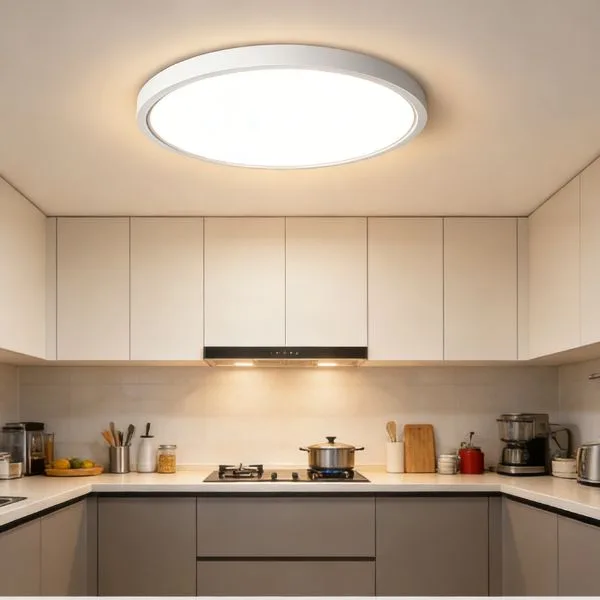
Dimmable LED light fixtures are perfect for home use, giving you full control over lighting moods. In living rooms, they help set a cozy or bright scene depending on your activity. Kitchens benefit from brighter task lighting while dimming options create a soft ambiance for dinners. Bedrooms take advantage of adjustable lighting to support relaxation or reading without harsh glare. The flexibility of dimmable LEDs makes them ideal for daily living spaces where comfort and atmosphere matter.
Commercial: Offices and Retail Spaces
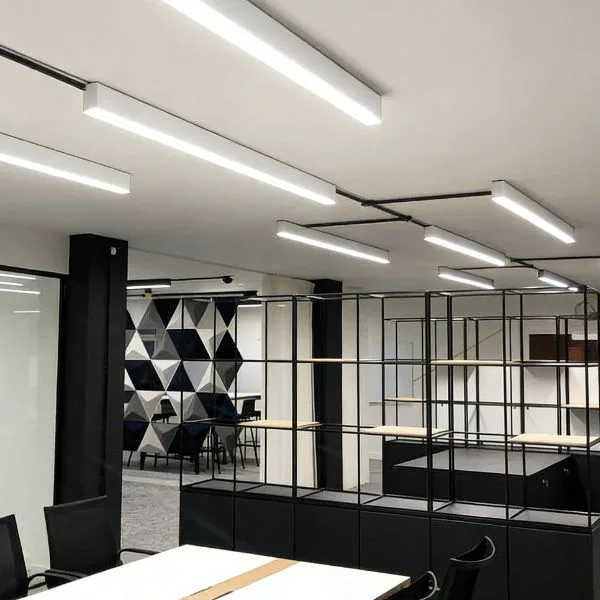
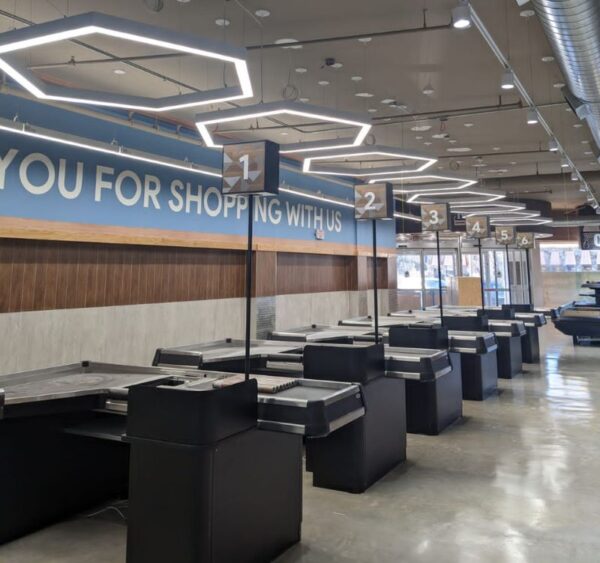
In offices, dimmable LED lights improve productivity by adapting to natural light levels, reducing eye strain throughout the day. Retail environments use dimmable fixtures to highlight products effectively and attract customers. Adjustable lighting helps create inviting atmospheres that can be changed to match promotions or time of day. Choosing the right fixtures and controls is key — consider exploring linear LED lighting layout tips for office spaces to optimize both brightness and energy efficiency.
Industrial: Warehouses and Manufacturing Facilities
For warehouses and factories, dimmable LED fixtures reduce energy costs by lowering light levels during non-peak hours without sacrificing safety or visibility. They also extend fixture lifespan by avoiding constant full-power operation. High bay dimmable LEDs are especially useful in these large spaces, handling the heavy-duty environment with efficient, adjustable lighting. Using dimmable solutions here supports operational flexibility and sustainable energy use, critical in industrial applications.

STAY IN THE LOOP
Subscribe to our free newsletter.
Leave A Comment
Recessed and pendant lighting explained Choosing the right illumination strategy [...]
Anatomy of a Modular LED Lighting System We design every [...]
LED vs. Incandescent Bulbs: What Is the Real Difference? Are [...]