
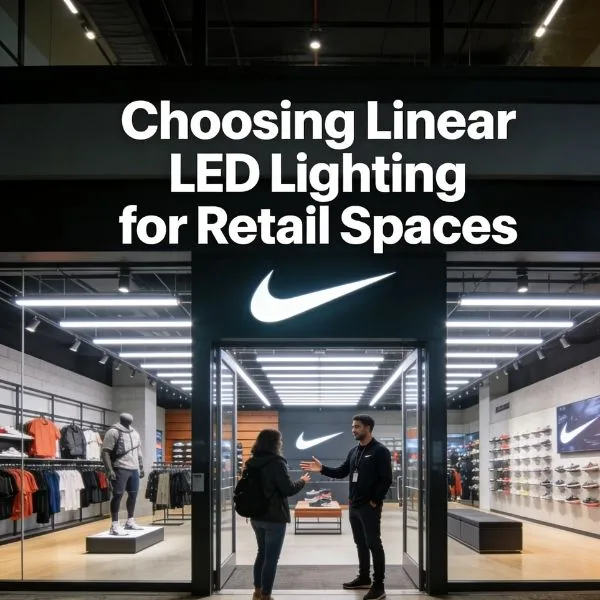
The Importance of Retail Lighting Solutions in Modern Commerce
In the competitive global marketplace, retail lighting solutions have evolved far beyond mere illumination. They serve as a critical strategic asset that defines the physical shopping experience. High-performance lighting is the silent salesperson of any brick-and-mortar establishment, bridging the gap between product availability and consumer desire. By integrating advanced LED technology and thoughtful design, retailers can transform a functional space into a high-conversion environment.
How Lighting Influences Customer Behavior and Sales
Lighting serves as a visual roadmap, guiding customers through the store and directly impacting their purchasing decisions. Strategic illumination focuses the eye, creates hierarchy, and can even dictate the pace at which a customer shops.
- Attention Steering: High-contrast lighting draws immediate focus to new arrivals and high-margin promotional zones.
- Dwell Time: Warm, balanced lighting encourages customers to stay longer, which statistically correlates with higher transaction values.
- Mood Regulation: Bright, cool lights evoke energy and efficiency, while softer tones create a relaxed, luxury feel.
| Objective | Lighting Strategy | Impact on Sales |
|---|---|---|
| Product Focus | High-intensity accent lighting | Increases engagement with featured items |
| Store Navigation | Uniform ambient lighting | Improves flow and reduces customer frustration |
| Urgency/Energy | Bright, cool-white LEDs | Ideal for supermarkets and fast-fashion impulse buys |
Enhancing Brand Identity Through Strategic Design
Your lighting choice is a direct reflection of your brand’s DNA. Whether operating a global chain or a bespoke boutique, consistency in visual presentation is non-negotiable. Retail lighting solutions allow brands to communicate their value proposition without saying a word.
- Luxury Positioning: Utilizes deep shadows and dramatic spotlights to create an exclusive, gallery-like atmosphere.
- Value Positioning: Uses bright, uniform, and flicker-free lighting to signal transparency, cleanliness, and accessibility.
- Global Consistency: Implementing standardized LED specifications ensures your brand looks identical in New York, London, or Tokyo.
Creating an Inviting and Comfortable Shopping Atmosphere
A superior shopping atmosphere minimizes “shopper fatigue” and maximizes comfort. Modern commerce relies on making the physical environment more appealing than the digital screen, and lighting is the primary tool for achieving this.
- Visual Comfort: Utilizing anti-glare technology and flicker-free drivers prevents eye strain for both staff and shoppers.
- Color Accuracy: High-quality lighting ensures that the color of the product on the shelf matches what the customer sees when they get home, drastically reducing return rates.
- Spatial Perception: Clever use of vertical lighting (wall washing) can make smaller retail footprints feel expansive and premium.
The Four Essential Layers of Retail Store Lighting
I believe that a one-size-fits-all approach never works in commerce. To create a truly immersive environment, we design retail lighting solutions using a layered strategy. This ensures every corner of your store serves a purpose, from guiding foot traffic to closing the sale.
Ambient Lighting: Establishing the Foundational Environment
Ambient lighting is the backbone of your store. It provides the general illumination necessary for customers to navigate safely and feel comfortable. We often use recessed linear light systems to achieve a clean, modern aesthetic that fills the space without creating harsh shadows or dark spots.
- Goal: Set the overall mood (warm and cozy vs. bright and energetic).
- Best Practice: Ensure uniform distribution to avoid eye fatigue.
Accent Lighting: Highlighting Key Products and Displays
This layer is all about drama and focus. We use accent lighting to draw the customer’s eye directly to high-margin items, new arrivals, or promotional displays. By creating a contrast between the product and its surroundings, you make the merchandise “pop.”
- Common Fixtures: Track heads, adjustable spotlights, and wall washers.
- Impact: Increases the perceived value of the products on display.
Task Lighting: Optimizing Functionality for Staff and Customers
Task lighting is strictly functional. I prioritize this in areas where specific activities happen, such as checkout counters, fitting rooms, and service desks. Good task lighting reduces errors at the point of sale and helps customers see the true detail of a garment in the dressing room.
| Area | Lighting Priority |
|---|---|
| Checkout | High brightness for reading receipts and handling cash. |
| Fitting Rooms | Flattering, side-mounted light to eliminate “mirror shadows.” |
| **Service DesService Desks | Focused beams for administrative tasks and assembly. |
Decorative Lighting: Adding Aesthetic Value and Brand Personality
The final layer is about style. Decorative fixtures act as the “jewelry” of your store. Whether you are aiming for an industrial vibe or a futuristic look, unique fixtures like modular hexagon pendant lights help reinforce your brand identity and create an Instagram-worthy shopping experience.
- Branding: Use statement pieces that reflect your brand’s story.
- Visual Interest: Breaks up the visual monotony of large ceiling spans.
Technical Specifications for High-Performance Retail Lighting
To get the most out of your retail lighting solutions, you need to look past the fixture’s design and focus on the data. High-performance retail spaces rely on precise technical specs to ensure products look their best and customers feel comfortable.
Understanding Color Temperature and the Kelvin Scale
Color temperature sets the mood. We measure this in Kelvin (K). Lower numbers create a warm, cozy vibe, while higher numbers provide a crisp, daylight feel.
| Setting | Kelvin Range | Best For |
|---|---|---|
| Warm White | 2700K – 3000K | High-end boutiques, restaurants, jewelry |
| Neutral White | 3500K – 4000K | Supermarkets, general apparel, offices |
| Cool White | 5000K+ | Tech stores, pharmacies, clean-line modern decor |
The Role of Color Rendering Index (CRI) in Product Appeal
In retail, color accuracy is everything. CRI measures how faithfully a light source reveals the true colors of an object. For commercial spaces, we recommend a CRI of 90 or higher. This ensures that a red dress looks red, not brownish, which directly reduces product returns and boosts buyer confidence.
Managing Brightness, Lumen Output, and Glare Control
Brightness isn’t just about high wattage; it’s about Lumens. However, too much brightness without control leads to glare, which causes eye fatigue. We utilize precision optics and deep-recessed designs to keep the light on the merchandise and out of the customer’s eyes. For high-ceiling environments, choosing the right 4-foot LED suspended linear fixture helps maintain uniform brightness without the harsh “spotlight” effect.
Utilizing Contrast Ratios to Direct Customer Focus
Effective retail lighting solutions use contrast to guide the eye. By layering light, you create a visual hierarchy:
- 3:1 Ratio: Subtle highlighting for general shelving.
- 5:1 Ratio: Stronger contrast to make a new arrival “pop.”
- 10:1 Ratio: Dramatic lighting used for high-end feature displays or window mannequins.
Strategically placing 6-inch LED recessed lighting allows for a clean ceiling aesthetic while providing the punchy downlighting needed to achieve these contrast goals. Proper ratios ensure the customer looks exactly where you want them to.
<h2>Common Types of Commercial LED Retail Lighting Fixtures</h2>
Selecting the right hardware is the most practical step in implementing effective retail lighting solutions. The fixtures we choose define the store’s visual boundaries and dictate how customers interact with the merchandise. From high-ceiling showrooms to intimate boutiques, the following fixtures represent the industry standards for performance and reliability.
LED Track Lighting and Adjustable Spotlights
I highly recommend track lighting for any retail environment where the floor plan evolves. These systems offer unmatched flexibility, allowing you to move and pivot adjustable spotlights as new collections arrive.
- Targeted Focus: Direct light exactly where it’s needed.
- Adaptability: Easy to reconfigure without rewiring.
- Modern Aesthetic: Fits seamlessly into industrial or contemporary store designs.
Recessed Downlights and Architectural Wall Washers
For a clean, “uncluttered” ceiling, recessed downlights are the go-to choice for foundational ambient light. They provide a high-performance output while remaining visually discreet. In spaces where a traditional recessed look isn’t possible, using a ceiling cylinder light provides a similar focused beam with a more pronounced architectural presence. Wall washers are equally vital, as they illuminate vertical surfaces to make the retail space feel larger and more open.
Linear LED Systems and Suspended Pendant Lights
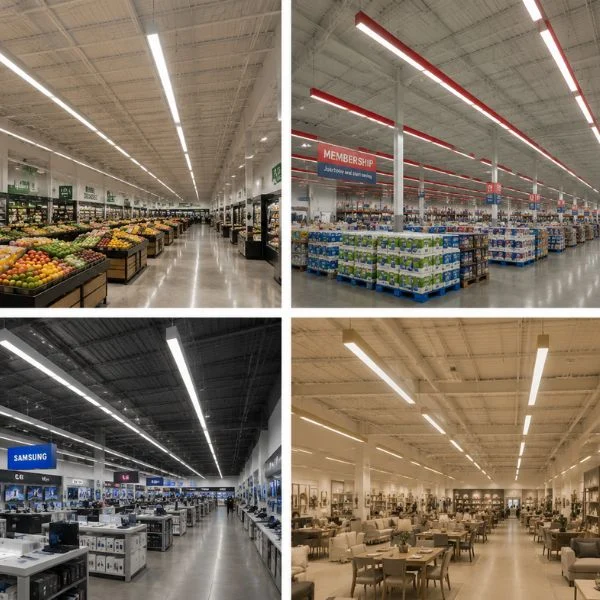
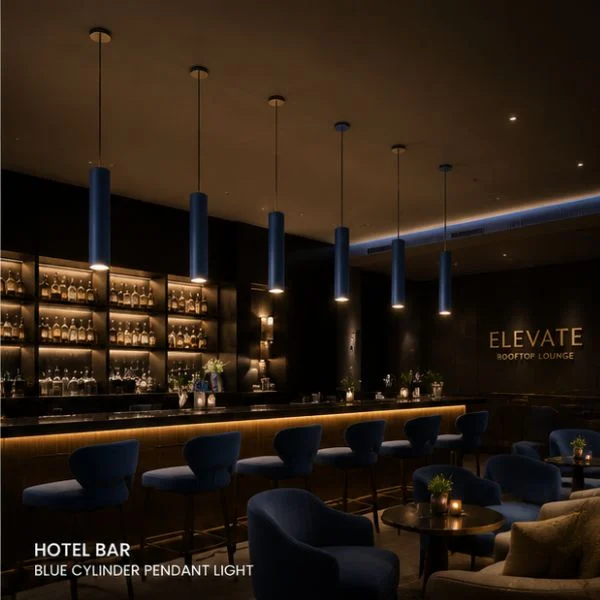
Linear LED systems provide continuous, shadow-free illumination, making them ideal for long aisles and large-scale retail layouts. However, for areas that require a more curated or “boutique” feel—such as service counters or display tables—pendants are the better tool. Understanding how to select architectural pendant lights for commercial projects is key to creating a focal point that aligns with your brand’s personality while providing functional task lighting.
Specialized Display Case and Cove Lighting Solutions
The “micro-details” of a store often require specialized solutions. We use these fixtures to highlight high-value items and create depth:
- Shelf Lighting: Small-profile LED strips that eliminate shadows inside display units.
- Cove Lighting: Hidden LEDs that cast a soft glow upward, making the ceiling appear higher.
- Under-Counter LEDs: Essential for jewelry and luxury watch displays to add that necessary sparkle.
Innovative Smart Retail Lighting and IoT Integration
The future of retail isn’t just about brighter bulbs; it’s about smarter systems. Integrating Internet of Things (IoT) technology into retail lighting solutions transforms static fixtures into dynamic tools that actively manage energy and enhance the shopping experience.
Energy Efficiency Through Automation and Smart Controls
One of the most immediate benefits of smart lighting is the drastic reduction in energy waste. Traditional systems often run at full power regardless of actual need. Smart controls change that dynamic entirely.
- Daylight Harvesting: Sensors detect natural light levels entering the store and automatically dim artificial lights to maintain a consistent brightness without wasting electricity.
- Occupancy Sensors: In back-of-house areas like stockrooms or fitting rooms, lights automatically turn off when no one is present.
- Scheduling: Automated schedules ensure lights are only active during operating hours, with specific settings for cleaning crews or restocking times.
By implementing these automated systems, retailers can see significant cost savings while extending the lifespan of their LED fixtures.
Using Lighting Data to Optimize Store Layout and Traffic
Modern lighting infrastructure does more than illuminate products; it gathers valuable data. Smart lighting grids equipped with sensors can track customer movement patterns throughout the store.
This “heat mapping” data reveals:
- High-Traffic Zones: Identify which aisles or displays attract the most foot traffic.
- Dead Zones: Spot areas that customers consistently avoid, indicating a need for layout changes or better lighting.
- Dwell Time: Measure how long customers linger in front of specific promotions.
Retailers use this actionable intelligence to reposition high-margin products or redesign floor plans for better flow, turning the lighting grid into a powerful analytics tool.
Enhancing Customer Interaction with IoT-Enabled Systems
IoT integration allows lighting to communicate directly with customers and staff, creating a more immersive environment. This goes beyond simple illumination to create responsive experiences.
- Li-Fi Technology: Some advanced systems use light waves to transmit data to customer smartphones, offering location-based coupons or product information as they walk down an aisle.
- Dynamic Ambience: Lighting can adjust in real-time based on the time of day or specific events, shifting color temperatures to influence mood and purchasing behavior.
- Maintenance Alerts: IoT systems proactively notify facility managers of potential failures before a light goes out, ensuring the retail environment remains flawless.
For businesses looking to modernize their infrastructure, incorporating advanced fixtures like a round lens linear surface light into a smart ecosystem ensures both aesthetic appeal and technological capability.
Choosing the Right Lighting Solutions for Your Retail Space
Selecting the best retail lighting solutions depends entirely on your store’s layout and the shopping experience you want to create. We focus on blending technical performance with smart design to ensure every fixture serves a purpose, whether it’s moving inventory or building brand prestige. Our approach prioritizes a balance between operational efficiency and the visual comfort of your customers.
Best Practices for Supermarkets and Large-Scale Retailers
In big-box environments, the primary goals are clear navigation and product freshness. High-output, uniform lighting helps customers find what they need quickly and safely. We emphasize specialized spectrums for food sections, as detailed in the 2026 grocery store lighting playbook, to make produce and meats look vibrant and appetizing.
- Uniformity: Use wide-beam angles to ensure even light distribution across long aisles.
- Visual Clarity: High-lumen output ensures labels and prices are easy to read from a distance.
- Efficiency: Utilizing surface linear fixtures provides a clean, modern aesthetic with high energy savings for large footprints.
Tailoring Lighting for Luxury Boutiques and High-End Showrooms
Luxury retail requires a curated, high-contrast touch. We move away from flat “flood” lighting and toward layers that create a sense of exclusivity. Using recessed linear wall wash lighting helps emphasize architectural details and premium wall-mounted displays, making the store itself feel like a high-end product.
- Color Temperature: We typically recommend warmer tones (2700K–3000K) to create a sophisticated, cozy atmosphere.
- Accentuation: High contrast ratios (at least 5:1) are used to draw the eye directly to “hero” products or new arrivals.
- Mood: Dimmable systems allow you to shift the vibe of the showroom based on the time of day or special events.
Maintenance, Durability, and Commercial-Grade Standards
Our fixtures are engineered for the demanding cycles of the global retail market. We prioritize durability so that your business stays bright without the constant need for maintenance or bulb replacements.
- Premium Drivers: We use high-quality internal components to prevent flickering and ensure consistent light output over years of use.
- Thermal Management: Advanced aluminum heat sinks protect the LED chips from overheating, significantly extending the life of the unit.
- Ease of Install: Our commercial-grade hardware is designed for quick installation and easy adjustment as your store layout evolves.
Frequently Asked Questions About Retail Lighting Design
I get asked these questions constantly by store owners looking to level up their space. Effective retail lighting solutions aren’t just about visibility—they’re about the bottom line. Here is the breakdown of what really matters when designing your shop.
How does lighting design directly impact retail sales performance?
Lighting acts as a silent salesperson. It guides the customer’s journey from the window display straight to the checkout counter.
- Increases Dwell Time: A comfortable, well-lit environment makes people feel at ease, encouraging them to stay and browse longer.
- Directs Focus: By using high-contrast accent lighting, you can literally point customers toward high-margin items or new arrivals.
- Boosts Buyer Confidence: Accurate lighting helps customers evaluate colors and textures correctly, which leads to higher satisfaction and fewer returns.
What is the recommended color temperature for different retail sectors?
The “vibe” of your store depends heavily on the Kelvin (K) rating. Choosing the right retail lighting solutions means matching the light to your brand identity:
| Retail Sector | Recommended Color Temp | Effect |
|---|---|---|
| Luxury Boutiques | 2700K – 3000K (Warm) | Creates an intimate, high-end, and relaxed feel. |
| Supermarkets | 3500K – 4000K (Neutral) | Looks clean, fresh, and high-energy for fast-paced shopping. |
| Jewelry & Tech | 5000K+ (Cool) | Enhances sparkle and emphasizes clean, modern lines. |
For a sleek, architectural look in neutral-toned spaces, many of my clients prefer a regressed linear hanging light to provide uniform, glare-free illumination that keeps the focus on the merchandise.
What are the primary benefits of upgrading to LED retail lighting?
If you’re still using old halogens or fluorescents, you’re losing money every hour the doors are open. Switching to modern retail lighting solutions offers immediate advantages:
- Massive Energy Savings: LEDs use up to 80% less energy, drastically cutting your monthly overhead.
- Superior Color Rendering: A high CRI (Color Rendering Index) makes your products look vibrant and true-to-life.
- Durability and Low Maintenance: LEDs last for years, meaning no more ladders on the sales floor during peak hours. For specialized areas like garden centers or loading docks, installing a wet location lighting fixture ensures your system handles moisture and dust without flickering.
- Lower Heat Emission: LEDs run cool. This protects sensitive products like cosmetics or clothing and reduces the load on your building’s air conditioning.
STAY IN THE LOOP
Subscribe to our free newsletter.
Leave A Comment
Retrofit LED Lighting Solutions Are soaring energy bills, relentless ballast [...]

Struggling to cut operational costs while upgrading your facility’s lighting [...]
The Financial & Operational Business Case Upgrading to energy efficient [...]
Are you worried about overhead head clearance, or tired of [...]