You already know that grocery margins are razor-thin.
But are you aware that your current lighting might be costing you sales in the meat and produce aisles?
As a specialist in retail environments, I’ve seen firsthand how the wrong spectrum makes fresh food look stale—and how the right grocery lighting can instantly lift revenue.
It’s not just about changing a bulb; it’s about engineering a profitable shopping experience.
In this guide, you’re going to learn exactly how to leverage High CRI LED fixtures and specific color temperatures to maximize freshness and reduce spoilage.
Plus, we’ll show you how to slash operating costs through energy rebates and efficiency.
Let’s turn those lights into profit.
Understanding Grocery Lighting Specs: CRI and CCT
At Prillumen, we understand that in the grocery business, lighting is not merely a utility—it is a silent salesperson. When we design grocery lighting layouts, we move beyond basic illumination to focus on the technical specifications that directly impact sales velocity: Color Rendering Index (CRI) and Correlated Color Temperature (CCT). These two metrics determine whether a customer perceives your fresh products as vibrant and high-quality or dull and nearing expiration.
Why High CRI LED Fixtures Matter for Fresh Food
The most critical factor in a fresh food lighting spectrum is the Color Rendering Index (CRI). CRI measures a light source’s ability to reveal the true colors of an object compared to natural sunlight. In a retail environment, standard lighting often fails to capture the subtle nuances of fresh produce or cuts of meat.
We utilize High CRI LED fixtures (CRI ≥ 90) because they are essential for triggering the impulse to buy. A red apple under low CRI lighting looks muddy; under our 90+ CRI technology, it looks crisp and juicy. Our proprietary LED chips are engineered to enhance specific wavelengths—making reds redder and greens greener—without the use of dimming filters that reduce light output.
The Impact of CRI on Departments:
- Meat & Seafood: High CRI prevents the “graying” effect on proteins, maintaining a fresh, appetizing appearance.
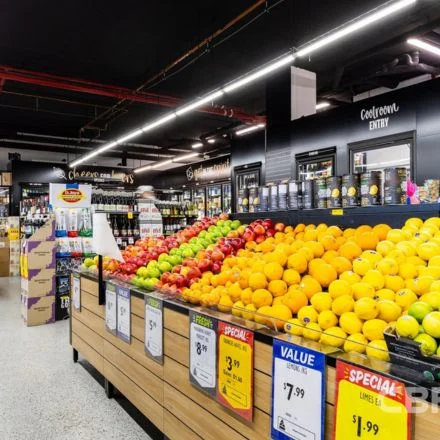
- Produce: Enhances the natural vibrancy of fruits and vegetables, signaling ripeness and nutrition.
- Floral: Accentuates the deep colors of petals, increasing perceived value.
Correlated Color Temperature (CCT) and Shopper Psychology
While CRI handles color accuracy, Correlated Color Temperature (CCT), measured in Kelvin (K), sets the mood and psychological tone of the shopping experience. The wrong temperature can make a bakery feel sterile or a seafood counter look unhygienic. We strategically apply different CCT levels to guide customer emotions and highlight product distinctiveness.
- Warm Light (2400K – 2700K): Best for the Bakery and prepared foods. It evokes comfort, warmth, and freshness, enhancing golden-brown crusts.
- Neutral/Cool Light (3000K – 4000K): Ideal for Produce and general aisles. It creates a clean, inviting atmosphere that feels modern and efficient.
- Cool/Crisp Light (5000K+): Often used in Seafood or frozen sections to simulate ice and extreme freshness.
The Difference Between 90+ CRI and Standard Lighting
Many generic LED retrofit kits for retail settle for a standard CRI of 80. While energy-efficient, these fixtures often wash out colors, leading to higher shrinkage as customers bypass products that don’t “look” fresh. At Prillumen, we prioritize high-fidelity color rendering to ensure your merchandise looks as good on the shelf as it tastes.
Comparison: Standard LED vs. Prillumen High-Performance LED
| Feature | Standard Commercial LED (CRI 80) | Prillumen Specialized LED (CRI 90+) |
|---|---|---|
| Color Accuracy | Good for general spaces, but flattens reds and greens. | True-to-life color representation; enhances vibrancy. |
| Freshness Perception | Neutral; products may look average. | High; products appear fresher and higher quality. |
| Application | Warehouses, back-of-house, parking lots. | Fresh food lighting, meat cases, produce displays. |
| Sales Impact | Minimal impact on impulse purchases. | Proven to increase dwell time and conversion rates. |
By upgrading to supermarket lighting design focused on high CRI and optimized CCT, store owners effectively reduce waste and increase the visual appeal of their highest-margin perishable goods.
Department-Specific Lighting Strategies for Retail
Lighting in a grocery store cannot be a “one size fits all” solution. A spectrum that makes a diamond sparkle will make a steak look gray. We approach grocery lighting by zoning the store, applying specific LED technologies tailored to the biological and visual properties of the food in each department. This strategic layering ensures that every product, from crisp lettuce to artisan bread, is presented in its most appetizing state.
Produce Section Lighting: The “Green” Zone Requirements
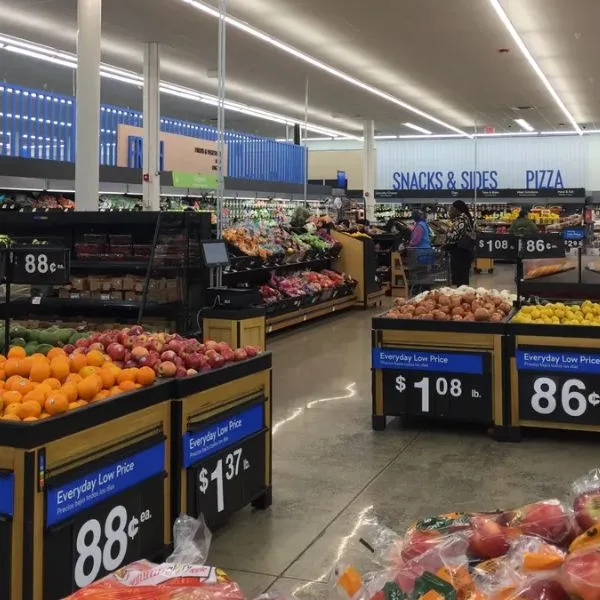
In the produce aisle, shoppers equate color with freshness. If the greens look dull, customers assume they are old. We utilize high-vibrancy LED chips specifically engineered to accentuate the chlorophyll in leafy greens and the rich pigments in fruits.
Unlike standard fluorescent tubes that flatten colors, our fresh food lighting spectrum targets specific wavelengths to make produce pop without using artificial filters. This ensures that the red of an apple and the green of a cucumber are equally vibrant under the same fixture. For versatile installation over produce bins, we often recommend adaptable solutions like our T-Shape Modular Linear Light, which provides uniform coverage without casting harsh shadows.
Meat Case Lighting Solutions: Reducing Discoloration and Waste
The butcher block is where lighting directly impacts the bottom line. Meat is highly sensitive to light and heat; improper illumination accelerates discoloration, turning fresh red meat brown and leading to unsellable product (shrink).
Our meat case lighting solutions focus on two critical factors:
- Specialized “Pink” Spectrums: We use proprietary chips that enhance the natural red tones of beef and pork, making the marbling stand out.
- Heat Reduction: Our LEDs emit significantly less heat than traditional sources, helping to maintain the cool temperature required to preserve shelf life.
Bakery Aisle Lighting: Enhancing Warm Tones
While produce needs crisp white light, the bakery demands warmth. Cool lighting makes bread look stale and unappetizing. We target a warm color temperature range, typically between 2400K and 2700K, to highlight the golden-brown crusts of pastries and breads.
To create an inviting, artisanal atmosphere, we often integrate decorative yet functional fixtures. Using a 2″ Architectural Pendant Light over display tables adds a layer of elegance while delivering the precise warm spectrum needed to trigger the customer’s appetite.
Refrigerated Display Lighting and Vapor-Tight Fixtures
Lighting inside freezers and coolers faces unique challenges, including moisture and extreme cold. We deploy refrigerated display lighting designed to perform reliably in these harsh conditions.
Vapor-tight LED fixtures are essential here. They seal out moisture that causes standard fixtures to fail or short out. Our modular designs allow these lights to fit various shelf configurations, ensuring that products behind glass doors appear just as vibrant and accessible as those on the open floor.
Department Lighting Quick Guide:
| Department | Target Spectrum Goal | Recommended Tone | Key Benefit |
|---|---|---|---|
| Produce | High Vibrancy | Crisp White | Enhances greens/reds; signals freshness. |
| Meat/Seafood | Red Enhancement | Specialized “Pink” | Makes proteins look redder; reduces heat/waste. |
| Bakery | Gold Enhancement | Warm (2400K-2700K) | Highlights crust texture; creates comfort. |
| Freezers | High Clarity | Cool White (4000K+) | Cuts through glass/fog; withstands moisture. |
General Aisle and High Bay Lighting Design
Achieving Uniformity and Avoiding Dark Spots
In the center store, consistency is currency. We approach grocery lighting with the mindset that shadows on the bottom shelf equal lost revenue. If a customer cannot clearly see a product, they simply won’t buy it. Our goal is to deliver uniform vertical illuminance that reaches from the top stock all the way to the floor. We utilize high-performance LED modules that distribute light evenly, eliminating the “cave effect” often seen with outdated fluorescent tubes. By ensuring every square inch of shelving is properly lit, we make the store feel cleaner, more stocked, and inviting.
Glare-Free Aisle Lighting for Label Readability
Shoppers should never have to squint to read a price tag or nutritional label. We prioritize glare-free aisle lighting to ensure maximum visual comfort. The wrong lighting angle can reflect off plastic packaging, making text unreadable and causing eye strain. Our designs focus on controlling the beam angle to hit the merchandise, not the shopper’s eyes.
- Vertical Illuminance: Puts light on the package face.
- Cut-off Angles: Hides the light source to reduce direct glare.
- Diffused Lenses: Soften the output for a comfortable shopping experience.
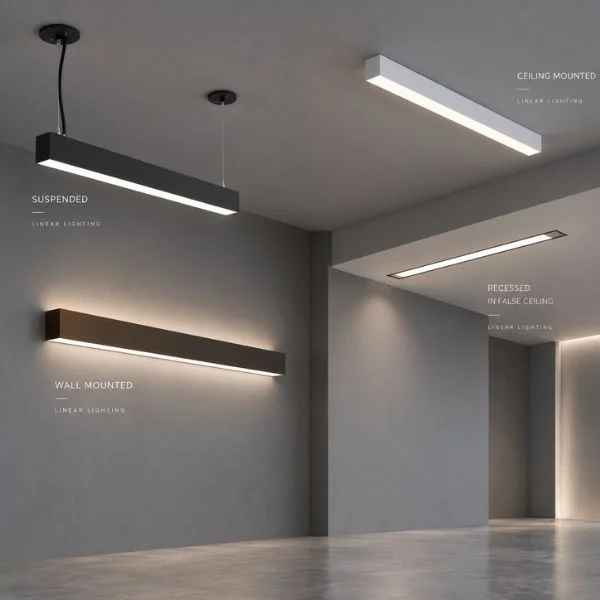
For spaces requiring a distinct architectural look without sacrificing performance, our Y-shape modular linear light provides a versatile solution that maintains high visual comfort while adapting to various ceiling layouts.
Guiding Customer Flow with Strategic Illumination
Lighting does more than illuminate; it navigates. We use strategic lighting layouts to subconsciously guide customers through the store. Brighter light levels on end-caps or perimeter walls can draw shoppers down long aisles they might otherwise skip. As retail lighting fixture manufacturers, we design systems that create a visual hierarchy. By subtly varying light intensity between main thoroughfares and shelving areas, we create a natural path that encourages exploration of the entire inventory, ultimately increasing dwell time and basket size.
The Business Case: Energy Efficiency and ROI
In the grocery business, margins are tight, and overhead costs can eat into profits quickly. Since grocery lighting often runs 14 to 24 hours a day, it represents a massive portion of a store’s utility bill. Upgrading to high-efficiency LED solutions isn’t just about making the merchandise look better; it is a strategic financial move that drives a strong Return on Investment (ROI). By reducing energy consumption and lowering cooling costs, modern lighting systems pay for themselves faster than most store owners realize.
Comparing HID/Fluorescents vs. LED Retrofit Kits
Traditional High-Intensity Discharge (HID) and fluorescent fixtures are notorious energy hogs. They waste a significant amount of electricity as heat rather than light. When we compare these legacy systems against modern LED retrofit kits for retail, the difference is stark. LEDs consume a fraction of the wattage to produce the same, if not better, light output.
Beyond the electric meter, there is the issue of heat load. Old lighting adds substantial heat to the store environment, forcing refrigeration units and HVAC systems to work overtime. Switching to cool-running LEDs reduces this thermal load, extending the life of your freezers and further lowering energy costs. For aisles requiring sleek, continuous illumination, installing efficient linear pendant lights can replace bulky fluorescent strips, instantly modernizing the look while cutting power usage.
Lumen Maintenance (L70) and Reduced Maintenance Cycles
Operational savings also come from reduced maintenance. In the lighting industry, we use the term Lumen maintenance (L70) to define the lifespan of a fixture—specifically, how many hours it runs before its output drops to 70% of the original brightness.
- Longevity: Our industrial-grade LED chips are engineered to maintain their brightness for years, whereas fluorescents flicker and fade relatively quickly.
- Labor Savings: You spend less time and money paying staff or contractors to climb ladders and swap out burnt-out bulbs.
- Consistency: Long-term performance ensures that your store doesn’t develop dark spots or uneven lighting that can deter customers.
Navigating Grocery Store Energy Rebates
One of the biggest incentives for upgrading is the availability of grocery store energy rebates. Many utility companies in the United States offer substantial financial incentives for businesses that switch to energy-efficient technologies. To maximize these returns, it is essential to select DLC qualified grocery lights, which meet specific performance and efficiency standards required for rebate eligibility.
Using a retail lighting ROI calculator, store owners can often see that the combination of energy savings, maintenance reduction, and utility rebates results in a payback period of under two years. After that break-even point, the monthly savings go straight to the bottom line, making the upgrade a smart capital investment. For more details on how specific lighting applications impact operational efficiency, you can explore our application FAQs.
Food Safety Lighting Standards and Preservation
Lighting in a grocery environment does more than just illuminate products; it plays a critical role in food safety and inventory preservation. We approach lighting design with the understanding that the wrong fixture can actually accelerate spoilage. By adhering to strict food safety lighting standards, we ensure that the illumination supports the longevity of perishable goods rather than compromising them.
Heat Reduction and Extended Shelf Life
The most immediate impact of switching to high-quality LED technology is the drastic reduction in radiant heat. Traditional halogen or fluorescent bulbs emit significant infrared energy, which raises the surface temperature of meat, seafood, and produce. This heat accelerates bacterial growth and dehydration, leading to faster spoilage and increased shrink.
Our fresh food lighting solutions utilize specialized LED chips that emit virtually no IR or UV radiation. This “cool” lighting allows refrigeration units to operate more efficiently because they aren’t fighting the heat load generated by the lights themselves.
- Preserved Freshness: Keeps meat redder and produce crisper for longer periods.
- Energy Savings: Reduces the workload on HVAC and refrigeration systems.
- Reduced Waste: Extends the sellable life of perishables, directly improving the bottom line.
NSF Ratings and Sanitation for Food Prep Areas
In areas like the deli, bakery, or butcher block, lighting fixtures must meet rigorous sanitation requirements. Fixtures in these zones need to be durable, easy to clean, and constructed to prevent the accumulation of dust, grease, or bacteria. While aesthetics matter on the sales floor, functionality and safety are paramount in prep zones.
We prioritize industrial-grade components that can withstand the demanding environment of a commercial kitchen. Ensuring your facility utilizes fixtures with appropriate build quality is essential for passing health inspections and maintaining a hygienic environment. Understanding standard compliance for lighting imports helps ensure that the fixtures you install meet the necessary safety and operational codes required for US retail operations. Proper housing designs prevent glass breakage contamination and allow for easy wipe-downs, ensuring that your lighting supports your sanitation protocols rather than hindering them.
Frequently Asked Questions About Supermarket Lighting
How does lighting affect grocery sales?
Lighting is a direct driver of sales because it dictates how customers perceive freshness. If products look dull or washed out, shoppers assume they are old. We utilize supermarket lighting design focused on high Color Rendering Index (CRI ≥ 90) technology. This ensures that the true colors of packaging and fresh food are represented accurately. By deploying a specialized fresh food lighting spectrum, we enhance the visual appeal of textures and colors, which directly influences a customer’s perception of quality and encourages impulse buys.
What is the best color temperature for produce?
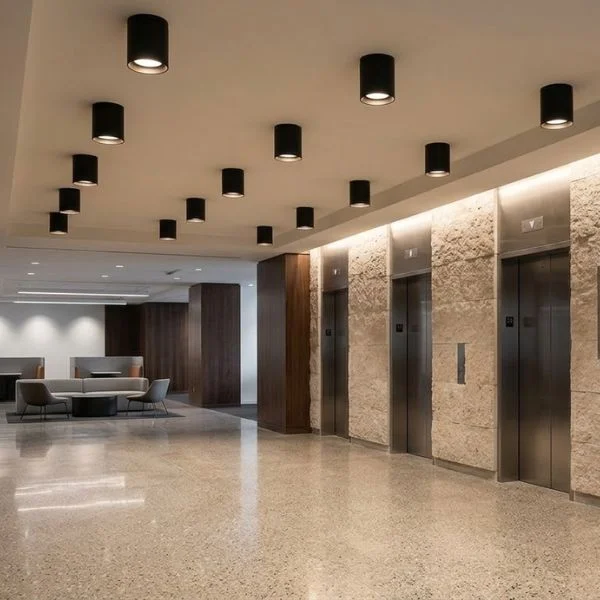
The color temperature for produce needs to be crisp and vibrant to emphasize freshness. We use high-vibrancy chips designed specifically to accentuate greens and bright colors, making lettuce look crisp rather than wilted. Using the wrong temperature can make fresh goods look yellow or aged. Implementing clean recessed lighting solutions with the correct spectrum ensures that fruits and vegetables display their natural, appetizing colors, signaling high quality to the shopper.
How much energy do LED retrofits save in grocery stores?
Switching to LED retrofit kits for retail delivers substantial ROI through two main avenues. First, high-performance LEDs drastically reduce direct electricity consumption compared to traditional HID or fluorescent systems. Second, our LEDs emit significantly less heat. This heat reduction lowers the load on your HVAC and refrigeration systems, helping to preserve the shelf life of perishable items. Many store owners also leverage grocery store energy rebates when upgrading to efficient fixtures like our rectangular modular linear lights, further accelerating the payback period.
Do I need specific lights for meat cases?
Yes, standard lighting often makes red meat look brown or grey, which kills sales. We provide meat case lighting solutions that utilize specialized “pink” spectrums. These proprietary LED chips are engineered to target specific color wavelengths that enhance the natural red tones of beef and pork without using external filters. This results in a display where the meat looks naturally red and fresh, maintaining its visual appeal for longer periods.
STAY IN THE LOOP
Subscribe to our free newsletter.
Leave A Comment

Explore types of hanging lights including pendant chandeliers and cluster designs to find the perfect style for every room