Why Commercial Restaurant Lighting Matters
Influencing Customer Mood and Behavior
Commercial restaurant lighting plays a crucial role in shaping the overall atmosphere and directly influences customer mood and behavior. Soft, warm lighting can create a cozy, inviting environment, encouraging diners to relax and enjoy their meals, while brighter, cooler lighting can energize the space for a faster turnover of tables. Proper lighting helps guide customer attention, highlights key areas, and can subtly affect dining pace and spending patterns.
Enhancing the Dining Experience
Well-designed commercial restaurant lighting enhances the dining experience by ensuring that food looks appealing and customers feel comfortable. Balanced lighting brings out the vibrant colors and textures of dishes, improving food presentation and making meals more appetizing. Additionally, appropriate lighting reduces eye strain, allowing guests to read menus easily and enjoy their surroundings without discomfort.
Creating Strong First Impressions
Lighting is one of the first sensory elements customers notice upon entering a restaurant. Effective commercial restaurant lighting creates strong first impressions by setting the tone and reflecting the brand’s personality. Whether it’s elegant chandeliers for upscale venues or dynamic LED setups for trendy eateries, the right lighting establishes a memorable and welcoming ambiance that draws customers in and encourages repeat visits.
The Three Layers of Restaurant Lighting
Commercial restaurant lighting works best when balanced across three main layers — ambient, task, and accent lighting. Each plays a key role in creating a welcoming and efficient space.
Ambient Lighting for Overall Comfort
Ambient lighting sets the base level of light throughout your restaurant. It ensures guests feel comfortable and can see clearly without harsh or glaring lights. Think soft ceiling lights or well-distributed fixtures that create a warm, inviting glow. This is the foundation for a relaxed dining atmosphere.
Task Lighting for Menus and Kitchens
Task lighting shines where it’s needed most: on menus, tables, and work areas in the kitchen. It has to be bright enough to read and prepare food safely but still blend well with ambient light. Strong task lighting helps staff work efficiently while customers enjoy reading menus without strain.
Accent Lighting for Architectural Features
Accent lighting highlights unique design elements such as textured walls, artwork, or architectural details. It adds style and depth, guiding customers’ eyes and enhancing the restaurant’s character. Using fixtures like wall sconces or specialized commercial spots designed for feature lighting can dramatically boost the overall vibe.
For example, installing a specialized direct indirect wall light can beautifully showcase wall art or decorative features while maintaining a soft, balanced atmosphere.
| Layer | Purpose | Examples |
|---|---|---|
| Ambient | General illumination and comfort | Ceiling fixtures, recessed lights |
| Task | Focused light for tasks | Pendant lights over tables, kitchen prep lighting |
| Accent | Highlighting decor and features | Wall sconces, architectural lights |
Balancing these three layers ensures your commercial restaurant lighting supports both function and design, creating an environment customers want to return to.
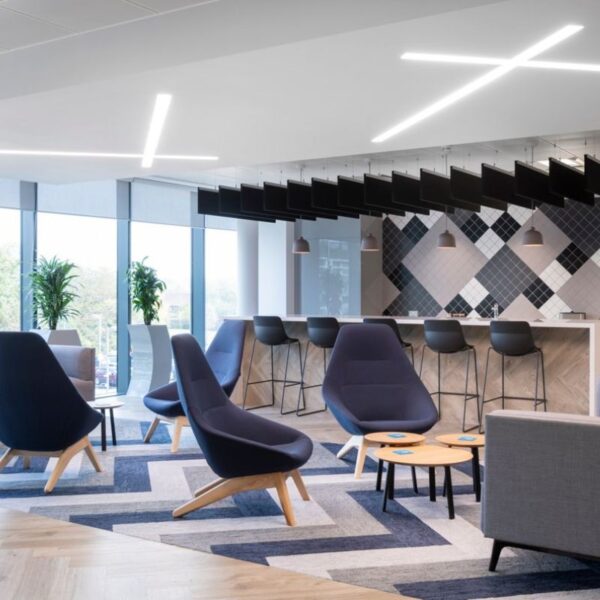
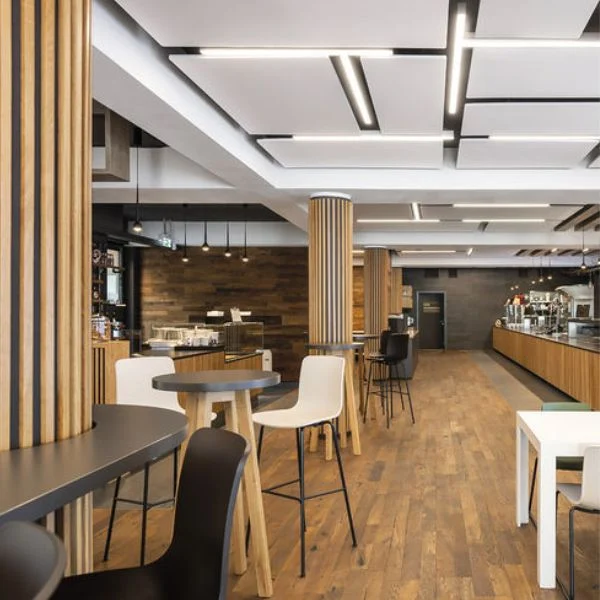
Popular Commercial Restaurant Light Fixtures
Pendant Lights and Chandeliers
Pendant lights and chandeliers are timeless choices that add character and style to restaurant spaces. Pendants work great over tables or bar areas, delivering focused light while setting the mood. Chandeliers bring elegance and can serve as a stunning centerpiece in fine dining rooms. These fixtures help create a memorable atmosphere that encourages customers to linger longer.
Wall Sconces and Track Lighting
Wall sconces provide soft, ambient illumination that complements other lighting layers without overpowering the space. They’re perfect for hallways, booths, or accentuating artwork. Track lighting is highly versatile, ideal for adjusting brightness and direction as needed. Both options enhance the room’s design while ensuring practical visibility throughout the restaurant.
Energy-Efficient LED Lighting Solutions
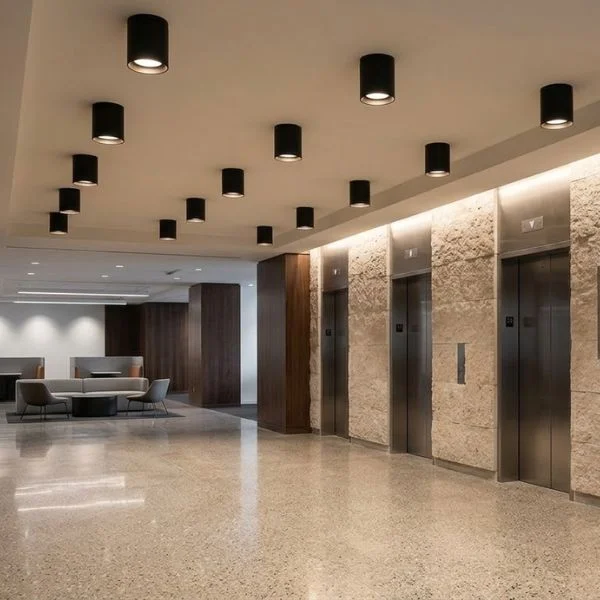
LED lighting has become the gold standard in commercial restaurant lighting. It offers bright, consistent illumination with significantly lower energy costs and minimal maintenance. LED fixtures come in various styles, from sleek surface-mounted cylinders to tunable white options that adapt to different times of day and moods. Choosing energy-efficient LED lights not only improves the dining experience but also supports sustainable business practices. For example, surface-mounted LED cylinders are highly effective in modern restaurant spaces, combining functionality with sleek design.
Restaurant Lighting Design by Area
Entryway and Waiting Area Lighting
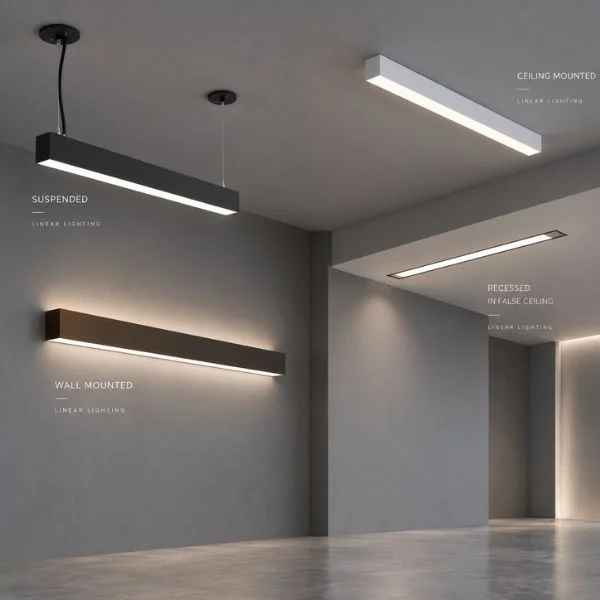
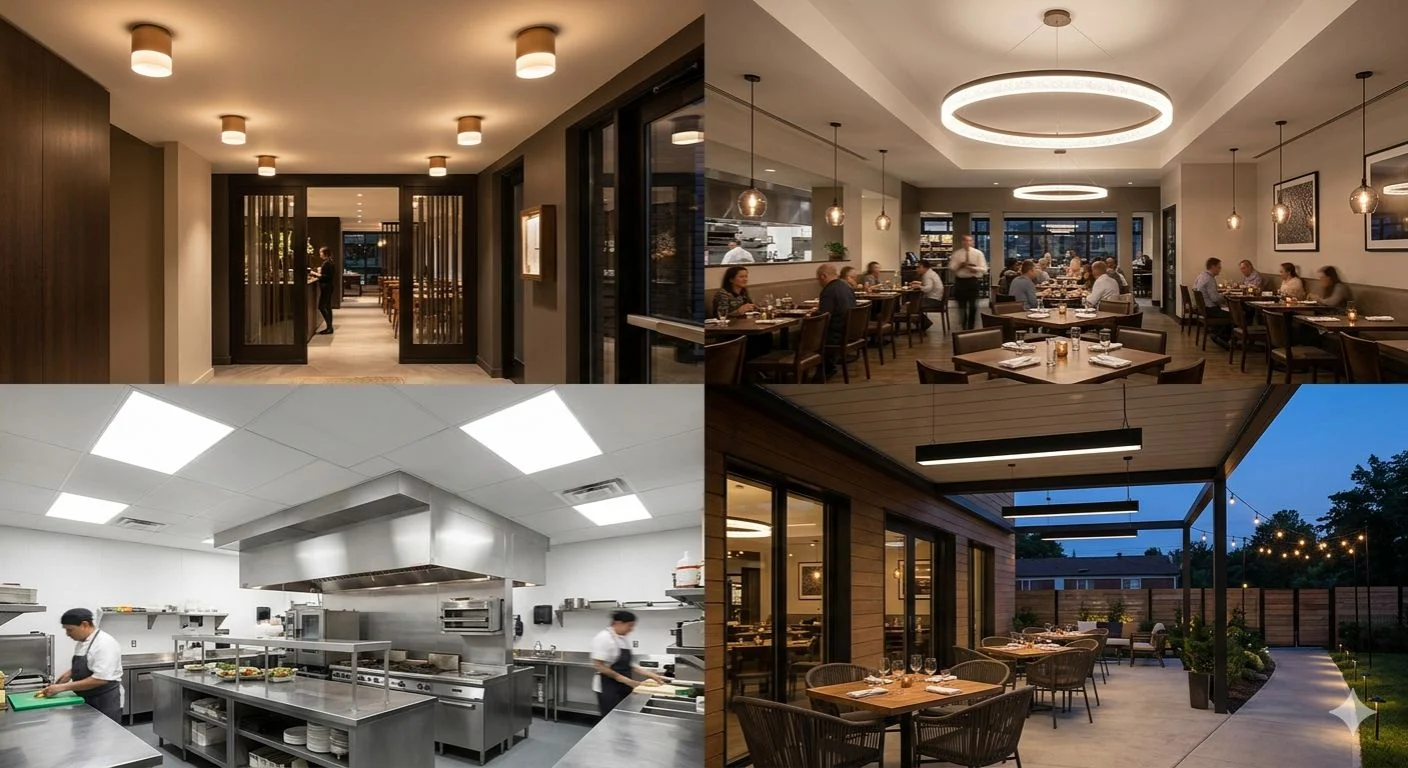
The first impression starts right at the entryway. Using warm, inviting commercial restaurant lighting here helps set the mood early. Soft ambient lights paired with subtle accent fixtures can create a welcoming vibe that eases guests into the experience. Consider layered lighting that balances brightness and comfort while guiding traffic smoothly. For a sleek look, concealed linear lighting solutions work well to highlight architectural details without overwhelming the space.
Main Dining Room and Bar Lighting
Lighting in the main dining area and bar needs to strike a balance between comfort and mood. Ambient lighting ensures overall visibility, while pendant lights and chandeliers add style and focus on tables. Bars benefit from dynamic lighting that can shift from lively to relaxed as the day progresses. Energy-efficient LED lighting options are popular here for their versatility and cost savings. Fixtures like the large ring pendant light can become centerpiece features, blending function with design flair.
Commercial Kitchen Lighting
Bright, uniform task lighting is crucial in commercial kitchens to ensure safety and efficiency. Fixtures like 2×4 LED drop ceiling lights deliver clean, high-output illumination without shadows or glare. These lights help kitchen staff handle preparation and cooking with precision. Choosing durable, easy-to-clean lighting that withstands heat and moisture is key. Proper kitchen lighting also improves food presentation from the chef’s perspective before dishes reach the dining area.
Outdoor Patio and Exterior Lighting
Outdoor areas require weather-resistant and strategically placed restaurant lighting to create atmosphere and ensure safety. Combining ambient string lights or wall sconces with focused pathway or step lighting helps define the space and extend operating hours. Energy-saving fixtures made for exterior use maintain low costs while enhancing curb appeal. Selecting lighting that complements the interior style creates a cohesive experience, inviting guests to relax inside and out. For commercial projects, black linear pendant lights offer an elegant outdoor option that blends functionality with modern design.
Lighting Strategies for Different Restaurant Types
Low Lighting for Fine Dining Establishments
Fine dining places thrive on creating a cozy, intimate vibe. Low commercial restaurant lighting helps set this mood by:
- Soft, warm lights that make guests feel relaxed
- Highlighting the table setup without overpowering it
- Reducing glare to enhance the food’s visual appeal
This subtle approach encourages longer stays and a more memorable experience.
Bright Lighting for Casual and Family Dining
Casual spots and family restaurants need bright, even lighting to:
- Keep the atmosphere lively and welcoming
- Make food look fresh and vibrant
- Ensure safety and clarity for all ages
Bright lighting in these spaces boosts energy and supports quick table turnover.
Dynamic Lighting for Transitioning Times of Day
Restaurants that operate from breakfast through dinner benefit from flexible lighting that changes with the time. Dynamic commercial restaurant lighting can:
| Time of Day | Lighting Style | Purpose |
|---|---|---|
| Morning | Bright, cool lights | Energize guests for the day |
| Afternoon | Neutral, balanced lighting | Keep a natural, comfortable feel |
| Evening | Warm, dimmed lights | Enhance ambiance and relaxation |
Smart dimmers and controls allow staff to adjust light levels easily, optimizing guest comfort and setting the right mood for every service. For more on smart controls and dimming systems in commercial spaces, see this detailed guide on recessed office lighting.
Key Factors in Choosing Your Lighting Setup
Color Temperature and Brightness Levels
Selecting the right color temperature is crucial for commercial restaurant lighting. Warmer tones (2700K-3000K) create a cozy, inviting atmosphere perfect for fine dining, while cooler lights (3500K-4100K) offer a brighter, more energetic vibe suited for casual spots. Brightness should be balanced—not too harsh to avoid discomfort, but enough to let customers easily see their food and menus. Adjusting brightness levels throughout the day can also help maintain the right mood as natural light changes.
Proper Fixture Placement and Spacing
Where you place your light fixtures matters just as much as what you choose. Proper spacing ensures even lighting throughout your restaurant, reducing shadows or overly bright spots that can distract guests. Task lighting should be focused on areas like menus and kitchen stations, while accent lights highlight architectural features or décor. Thoughtful placement enhances both functionality and ambiance, making the space pleasant and practical.
Smart Controls and Dimming Systems
Incorporating smart controls and dimming systems allows for flexible lighting that adapts to different times of day or special events. Dimmers enable smooth transitions from bright lunch settings to intimate dinner lighting without changing fixtures. Some advanced setups even allow remote management or preset scenes, improving energy efficiency and guest experience. Investing in smart commercial restaurant lighting systems can reduce costs while giving you full control over your space’s atmosphere.
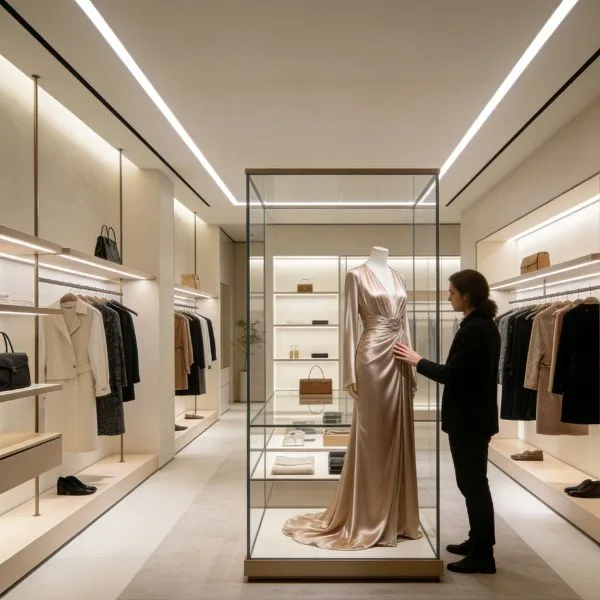
For energy-efficient options with precise control, exploring advanced solutions like surface-mounted curved linear lighting or customizable tunable white linear fixtures can elevate your business lighting setup.
Commercial Restaurant Lighting FAQs
How does lighting affect food presentation?
Lighting plays a crucial role in how food looks on the plate. Proper commercial restaurant lighting can highlight vibrant colors, textures, and freshness, making dishes more appealing to customers. Warm, natural light tends to enhance the richness of food, while harsh or overly cool lighting can wash out colors and dull the presentation. Using accent lighting strategically can draw attention to signature dishes, elevating the overall dining experience.
What is the best color temperature for a dining room?
For most dining rooms, a warm color temperature between 2700K and 3000K works best. This range creates a cozy, inviting atmosphere that encourages guests to relax and enjoy their meals. Cooler temperatures (above 4000K) might suit casual or fast-food settings better but can feel unwelcoming in fine dining or intimate restaurants. Adjusting the color temperature to match your restaurant’s vibe helps shape the right mood and customer expectations.
How often should commercial light fixtures be updated?
Updating commercial restaurant lighting depends on factors like fixture quality, usage, and style trends. Generally, it’s wise to evaluate your lighting setup every 5 to 7 years. Energy-efficient options like LEDs not only cut down costs but also last longer, which reduces the frequency of replacements. Keeping fixtures in good shape ensures consistent performance and helps maintain a fresh, modern look. For guidance on durable and efficient lighting options, consider the LED cylinder light solutions designed for commercial buildings.
STAY IN THE LOOP
Subscribe to our free newsletter.
Leave A Comment

Explore types of hanging lights including pendant chandeliers and cluster designs to find the perfect style for every room