Understanding Cylinder Lights: Surface Mount vs. Pendant
Cylinder lights deliver sleek, architectural illumination tailored for modern commercial and residential spaces. Choosing the right form factor—specifically navigating the choice of surface mount vs. pendant cylinders—dictates both the functional lighting quality and the aesthetic identity of your environment. Both options offer powerful, focused illumination, but their ideal application depends entirely on your architectural framework and spatial dimensions.
What are Surface Mount Cylinders?
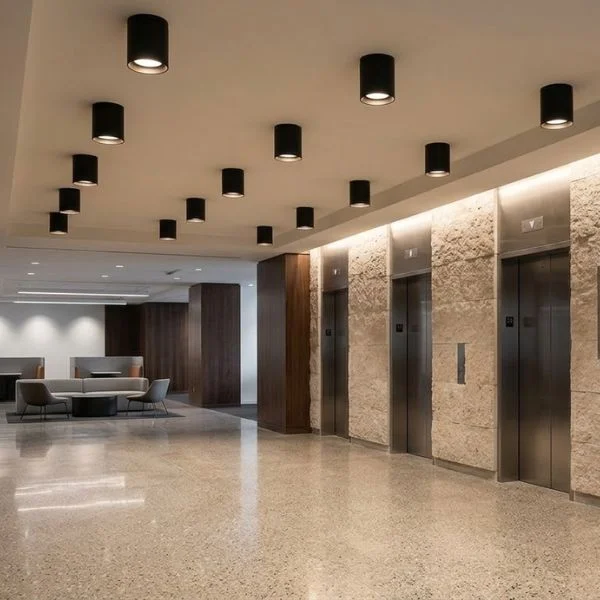
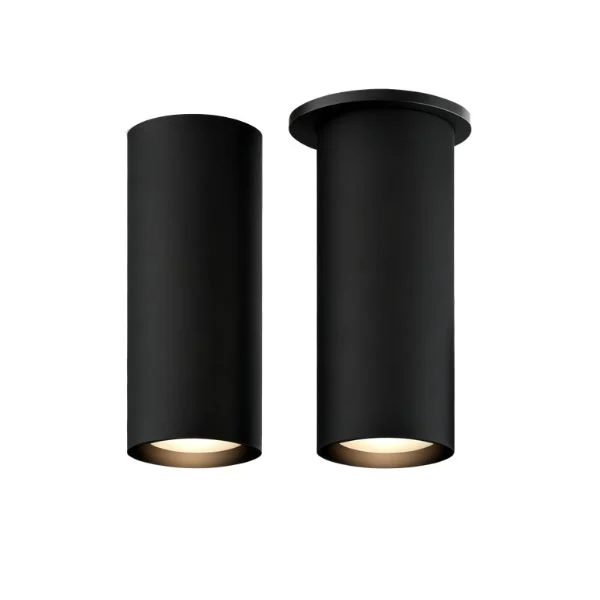
Surface mount cylinders are high-performance lighting fixtures installed flush against the ceiling structure. They integrate seamlessly into the architecture without dropping down into the usable vertical space, providing a highly stabilized lighting source.
- Flush Installation: Attaches directly and securely to a standard ceiling junction box.
- Low-Clearance Optimization: Engineered for areas with standard or lower ceiling heights where hanging fixtures would obstruct movement, signage, or sightlines.
- Minimalist Aesthetic: Delivers a clean, structural look that acts as an extension of the ceiling plane.
What are Pendant Cylinders?
Pendant cylinders are suspended architectural fixtures that hang from the ceiling canopy using a structural stem, cord, or aircraft cable. They are purposefully designed to bridge the gap between high ceilings and the focal area, creating a striking visual statement while optimizing light delivery.
- Suspended Architecture: Utilizes vertical space to bring the light source closer to task areas or merchandise.
- High-Ceiling Performance: The ultimate solution for vaulted, exposed, or tall commercial ceilings, preventing lumen loss and ensuring light hits the floor with maximum intensity.
- Adjustable Elevation: Suspension lengths can be custom-tailored to meet precise lighting layouts and structural requirements.

Key Differences and Direct Comparison
When evaluating Surface Mount vs. Pendant Cylinders, the right choice always comes down to the physical dimensions of your space and the specific vibe you want to create. Let’s break down exactly how these two popular lighting styles stack up against each other.
Ceiling Height and Clearance Requirements
The height of your ceiling is the biggest deciding factor. You need to ensure proper light delivery while maintaining safe walking clearance.
- Surface Mount Cylinders: The go-to choice for low to standard ceilings (typically under 9 feet). Because they sit flush against the ceiling, they maximize headroom and keep tight spaces feeling open.
- Pendant Cylinders: Designed specifically for high, vaulted, or exposed ceilings (10 feet and above). They drop down into the space, bringing the actual light source closer to the floor and preventing the space from feeling dark or cavernous.
Installation Processes and Mounting Flexibility
How these fixtures attach to your ceiling impacts both labor time and design versatility.
- Surface Installation: Extremely straightforward. The fixture housing mounts directly to a standard junction box. It’s a rigid, fixed setup that requires less planning but offers no adjustability in drop height.
- Pendant Installation: Requires precise measuring. You have to adjust the suspension cables or rigid stems to ensure the fixtures hang at a uniform height. However, this offers incredible flexibility. Pendants easily adapt to sloped ceilings by letting gravity level the light. We often see contractors combine suspended cylinders with a modern 4″ recessed linear fixture to create complex, multi-elevation lighting designs in commercial spaces.
Aesthetic Impact and Visual Design
Lighting is a core part of your interior design. Here is how each cylinder style alters the look of a room:
| Feature | Surface Mount Cylinders | Pendant Cylinders |
|---|---|---|
| Visual Profile | Clean, minimalist, and out of the way. | Bold, decorative, and serves as a statement piece. |
| Space Perception | Makes the ceiling feel higher; keeps the visual field uncluttered. | Fills empty vertical volume; makes large, high spaces feel grounded. |
| Design Focus | Blends seamlessly into the architecture. | Draws the eye downward to anchor specific zones (like a kitchen island or retail display). |
Features and Advantages of Each Lighting Style
When evaluating Surface Mount vs. Pendant Cylinders, the right choice always comes down to the specific demands of your space. Both styles offer exceptional directional lighting, but they serve entirely different architectural needs. Let’s break down exactly what makes each mounting style a solid investment for your commercial or residential project.
Top Benefits of Surface Mount Fixtures
Surface mount cylinders attach directly flush against the ceiling junction box. I always recommend this style when you need powerful, direct illumination without cluttering the visual space overhead.
- Maximizes Headroom: These are perfect for standard or low ceilings (under 9 feet) where you simply cannot afford to sacrifice overhead clearance.
- Clean, Architectural Look: The flush installation creates a seamless, minimalist profile that keeps the ceiling line looking sharp and uncluttered.
- Zero Movement: Because they are rigidly mounted, they do not sway from air conditioning drafts or building vibrations. This extreme stability is exactly why we often utilize this mounting method for heavy-duty exterior cylinder lights where wind resistance and weather durability are critical factors.
- Broader Light Spread: By sitting higher up in the room, the light beam has more distance to spread out, providing excellent general ambient illumination across a wider floor area.
Why Pendant Cylinders Outperform in Tall Spaces
Pendant cylinders drop down from the ceiling canopy using an adjustable cord, cable, or rigid metal stem. If you are working with a massive open floor plan, this is where pendants truly shine.
- Brings Light to the Task: In rooms with tall ceilings (10+ feet), mounting a light flush against the top wastes lumens. Pendants physically lower the light source directly over desks, tables, or retail displays, ensuring the light hits exactly where it is needed.
- Creates Visual Interest: Pendants do not just light a room; they act as architectural statements. They draw the eye downward, breaking up massive, empty vertical spaces and making cavernous rooms feel much more intimate and grounded.
- Ultimate Flexibility: The suspension cables or stems are adjustable. This gives you total control to dictate the exact height of the fixture, easily aligning lighting across spaces with varying or sloped ceiling heights.
Quick Feature Comparison
| Feature | Surface Mount Cylinders | Pendant Cylinders |
|---|---|---|
| Ideal Ceiling Height | Standard to Low (Under 9 feet) | High to Vaulted (10+ feet) |
| Core Advantage | Space-saving, low-profile design | Targeted task lighting |
| Stability | Completely rigid, zero sway | Can move with drafts (unless stem-mounted) |
| Aesthetic Impact | Subtle, blends into the architecture | Bold, acts as a decorative focal point |
Best Application Scenarios for Cylinder Lights
Choosing the right setup in the Surface Mount vs. Pendant Cylinders debate comes down to the room’s purpose, layout, and ceiling height. Here is how we apply each style across different environments.


Retail Stores, Restaurants, and Commercial Spaces
In retail and hospitality, lighting dictates the mood and guides customer attention.
- Pendant Cylinders: We rely on these to create an intimate, focused vibe. Dropping pendants over dining tables, bars, or retail checkout counters brings the light source closer to the action.
- Surface Mounts: These are perfect for general store aisles or low-ceiling dining sections where you need maximum clearance and clear sightlines.
When evaluating suspended linear fixtures for commercial projects, you will notice that pendant cylinders offer a similarly striking, modern aesthetic that effortlessly elevates the brand experience.
Office Spaces and Professional Environments
Modern offices demand clean, glare-free illumination to keep productivity high.
- Surface Mount Cylinders: The go-to choice for standard open-plan offices, hallways, and reception areas. They keep the ceiling line uncluttered and professional.
- Pendant Cylinders: Ideal for conference rooms or break areas with exposed, high ceilings. They bring the light closer to the meeting table and pair beautifully with recessed linear light fixtures to build a layered, contemporary workspace design.
Industrial Facilities and Warehouses
Industrial spaces deal with massive vertical layouts and strict safety requirements.
- Pendant Cylinders: The clear winner for tall factory floors and warehouse aisles. Hanging the fixtures drops the light directly onto workstations and inventory racks, cutting through the shadows of high-bay ceilings.
- Surface Mounts: Best reserved for lower-ceiling utility corridors, locker rooms, or mezzanine levels. In these tight zones, a surface mount ensures that lighting never obstructs forklifts or heavy machinery.
Key Considerations for Making the Right Choice
When evaluating surface mount vs. pendant cylinders, the final decision comes down to the specific physical and technical demands of your space. Here is how we break down the critical factors to ensure you get the best performance.
Light Distribution and Optimal Layout Spacing
How light travels from the fixture determines how many units you need and where they go. Planning your layout correctly ensures even coverage across different commercial lighting applications.
| Feature | Surface Mount Cylinders | Pendant Cylinders |
|---|---|---|
| Light Spread | Broader ambient coverage starting from the ceiling down. | Focused, targeted lighting positioned closer to the floor or workspace. |
| Spacing Needs | Requires tighter layout grids in wide rooms to prevent dark spots. | Spacing depends heavily on the chosen suspension drop length and beam angle. |
| Best Use | General room illumination and low-clearance areas. | Task lighting, visual hierarchy, and highlighting specific architectural zones. |
Brightness, Lumens, and Energy Efficiency
To get the lighting right, do not just look at wattage; focus entirely on the lumen output and where that light is actually landing.
- Match Lumens to Height: Surface mounts installed on very high ceilings require significantly higher lumen packages to successfully push usable light all the way down to the floor.
- Targeted Energy Savings: Because pendant cylinders physically drop the light source closer to the target area, you can often achieve the necessary brightness using lower-lumen fixtures, reducing your overall energy consumption.
- LED Efficiency: Both housing styles utilize high-efficiency LED technology, keeping operational costs low while maximizing the lifespan of the fixture.
Integration with Lighting Control Systems
Modern facilities require smart management. Both fixture types can easily tie into standard building networks, but you must verify driver compatibility before locking in your choice.
- Standard Dimming: Always ensure the cylinders you choose support the dimming protocol your building uses, whether that is 0-10V, DALI, or standard phase dimming.
- Smart Sensors & Customization: Consider whether your space needs daylight harvesting or occupancy sensors. If your project has unique networking requirements or complex zoning, relying on custom engineering solutions ensures your cylinder lights will communicate flawlessly with your central control systems right out of the box.
STAY IN THE LOOP
Subscribe to our free newsletter.
Leave A Comment

Explore types of hanging lights including pendant chandeliers and cluster designs to find the perfect style for every room