Are you still doubling your labor by installing 4-foot units when 8-foot LED suspended linear fixtures would get the job done faster and cleaner?
For contractors, the shift to 8-foot lengths isn’t just about aesthetics; it’s a strategic move to slash installation time, reduce wiring complexity, and secure DLC Premium rebates. I’ve put together this technical guide to help you navigate the specs that actually matter on the job site—from spacing guidelines and field-selectable CCT to achieving seamless continuous runs without the sag.
If you’re looking to maximize your margins while delivering a high-end, architectural-grade finish, this guide is for you.
Let’s dive in.
Why 8-Foot Lengths Are Ideal for Commercial Installations
When I’m quoting a large-scale project, the 8-foot linear LED lighting format is my go-to for maximizing efficiency. While 4-footers have their place, moving to 8-foot sections is a game-changer for the bottom line and the final look of the job.
Lower Labor Costs Through Reduced Fixture Counts
The math is simple: installing one 8-foot fixture takes significantly less time than mounting and wiring two 4-foot units.
- Fewer Hanging Points: You drill fewer holes and set up half the suspended linear fixtures‘ aircraft cables.
- Simplified Wiring: Reducing the number of power drops and connections speeds up the rough-in and trim phases.
- Faster Alignment: Squaring up one long housing is always faster than trying to get two smaller units perfectly level and flush.
Cleaner Aesthetics for Continuous Run Linear Lights
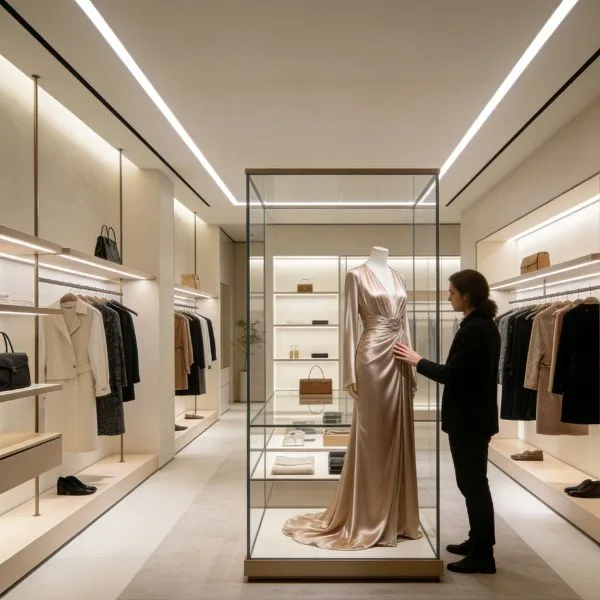
For high-end commercial linear lighting projects, the visual “line of light” is everything. Using 8-foot sections creates a much cleaner look with fewer end-to-end joints.
- Seamless Transitions: Fewer breaks in the lens and housing mean a more professional, high-end architectural finish.
- Reduced Sagging: Longer rigid housings stay straighter over long distances, preventing the “zigzag” effect often seen in poorly installed 4-foot runs.
Superior Light Distribution and Grid Compatibility
In wide-open office or retail layouts, 8ft LED shop lights and architectural pendants provide a more uniform throw. I’ve found that these fixtures offer better light distribution, eliminating the dark spots that can occur at the coupling points of shorter units. Furthermore, they are designed for perfect compatibility with standard US grid layouts, making them easy to center over desks or align with T-bar ceilings without awkward spacing gaps.
Technical Specs for 8-Foot LED Suspended Linear Fixtures
When I’m spec’ing out a job, I don’t just look at the price tag. I look at the guts of the fixture. For 8 foot linear LED lighting, the technical specifications determine whether you’re going to have a smooth install or a series of expensive callbacks. High-performance units today should push 130 to 160+ lm/W. This level of efficacy isn’t just about being green; it’s about delivering more light with less power, which is exactly what my clients want to see on their utility bills.
Field Selectable CCT and Wattage
One of the biggest game-changers for my inventory management has been the shift toward field-selectable options. Instead of hauling three different color temperatures to a site, I use fixtures with onboard switches.
- Selectable CCT: Quickly toggle between 3000K, 4000K, and 5000K to match the vibe of the space.
- Adjustable Wattage: Dial the brightness up or down based on the specific ceiling height or task requirements.
- Inventory Control: Carrying one SKU that does the work of six saves me massive warehouse space and prevents “wrong part” delays on game day.
Light Quality and Visual Comfort
For high-end architectural finishes, I never compromise on the Color Rendering Index (CRI). I aim for a minimum of 80 CRI for standard commercial work, but for retail or high-end offices, 90+ CRI is the standard to make colors pop. To manage glare, I usually opt for frosted diffusers. While clear lenses offer raw output, frosted lenses provide that smooth, even glow that architects love.
| Specification | Standard Requirement | Pro-Grade Recommendation |
|---|---|---|
| Efficacy | 110-120 lm/W | 130-160+ lm/W |
| CRI | 80+ | 90+ |
| Dimming | 0-10V Standard | 0-10V (Down to 1% or 0%) |
| L70 Lifespan | 50,000 Hours | 100,000+ Hours |
Optical Distribution: Avoiding the “Cave Effect”
Standard shop lights only throw light down, which can leave the ceiling dark and make a room feel cramped—a phenomenon we call the “cave effect.” To solve this, I prefer using suspended direct-indirect lighting configurations. By sending about 10-30% of the light upward to bounce off the ceiling, the entire volume of the room feels brighter and more open.
Controls and Emergency Compliance
Modern 0-10V dimmable linear LED drivers are the baseline now. They play nice with most commercial building automation systems and allow for easy daylight harvesting. For safety, I always ensure my architectural suspended lighting includes integrated emergency battery backup options. Having the EM driver factory-installed inside the 8-foot housing saves me from having to mount clunky external “bug-eye” lights, keeping the design clean and up to code.
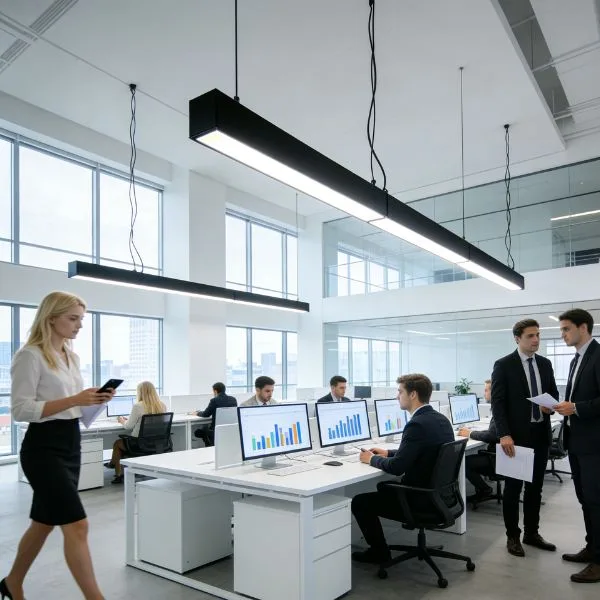
Lighting Layout and Spacing Guidelines
Getting the layout right is what separates a pro job from a mediocre one. When I plan a project with 8 foot linear LED lighting, I focus on uniform coverage and hitting specific footcandle targets without over-lighting the space.
Spacing Rules Based on Ceiling Height
The higher the ceiling, the more “spread” you get, but you lose intensity. For a standard office linear pendant lights setup, I follow these general rules for row spacing:
- 10-Foot Ceilings: Space rows 8 to 10 feet apart.
- 12-14 Foot Ceilings: Space rows 10 to 12 feet apart.
- Suspension Depth: I recommend a 12 to 24-inch drop from the ceiling. This allows the uplight to bounce effectively and prevents a dark “cave” ceiling.
Targeting Footcandles for Different Spaces
I aim for these industry-standard light levels to ensure the space is functional and comfortable:
| Application | Target Footcandles (FC) | Recommended Fixture Type |
|---|---|---|
| Open Offices | 30 – 50 FC | LED pendant linear fixtures |
| Retail Aisles | 40 – 60 FC | Continuous run linear lights |
| Warehouses | 15 – 30 FC | 8ft LED shop lights |
Precise Modeling and Uniformity
To avoid “hot spots” or dark gaps, I rely on IES files and software like AGi32 for precise modeling. This ensures that the suspended linear fixtures overlap perfectly at the working plane. If you are currently overcoming linear LED procurement challenges in the North American market, having a data-backed lighting plan is your best tool for accurate quoting.
I also suggest reviewing real-world project case studies to see how proper spacing guidelines for linear fixtures translate into high-end architectural results. Managing that overlap is the secret to a seamless “wash” of light that looks professional and reduces eye strain for the end user.
Pro Installation Tips for 8 Foot LED Suspended Linear Fixtures
In my experience, the difference between a profitable job and a headache comes down to how fast you can get units in the air without sacrificing quality. When I install 8 foot LED suspended linear fixtures, I focus on hardware that simplifies the labor-intensive parts of the project.
Suspension Systems: Cables vs. Chains
While some industrial sites still use chains, I almost always opt for an aircraft cable suspension kit. They offer a much cleaner, architectural look and allow for micro-adjustments that chains just can’t match. This is crucial for keeping long runs perfectly level and avoiding the “wave” effect across a ceiling.
Seamless Continuous Run Configurations
Creating a perfectly straight, 100-foot line of light is much easier when you use seamless linkable linear LED systems.
- Internal Joiners: I look for fixtures with heavy-duty internal joiners that “snap” together. This prevents light leakage at the joints.
- Alignment Pins: These are a lifesaver for preventing sagging in the middle of a run.
- Smart Wiring: I prefer daisy-chaining the power through the fixture body. It keeps the ceiling clean and reduces the number of power drops I need to run from the J-box.
Time-Saving Features for Faster Projects
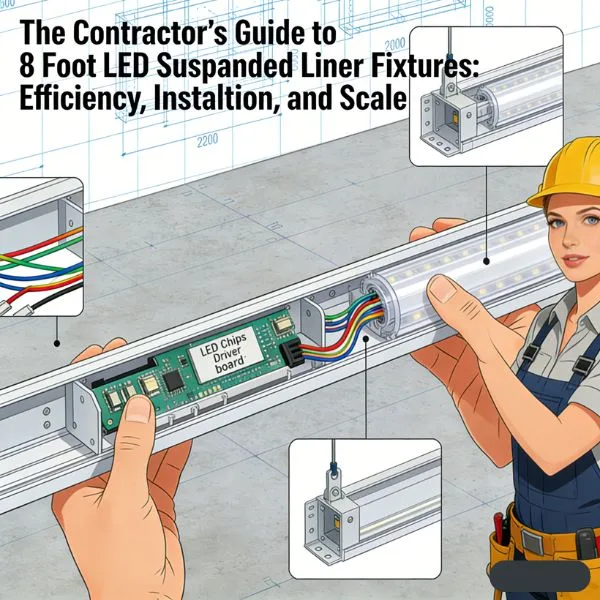
I prioritize fixtures that offer tool-free access. Using push-click connectors for the wiring and easy-access driver compartments can shave minutes off every unit. When you’re installing dozens of continuous run linear lights, those minutes add up to hours of saved labor. For specific technical advice on mounting heights and power distribution, I rely on these installation tips for commercial applications to ensure the layout remains efficient.
How I Avoid Common Pitfalls
To keep the project looking sharp and avoid expensive callbacks, I follow these rules:
- Prevent Sagging: I always place a support point at every joint in a continuous run, not just at the ends.
- Stop Misalignment: Use a laser level for the initial mounting points. If your first cable is off by half an inch, an 80-foot run will look crooked.
- Cable Management: I use clear zip ties or integrated clips to keep the power cord tight against the aircraft cable. This prevents cable tangling and keeps the “floating” aesthetic intact.
Certifications and Compliance for 8 Foot LED Suspended Linear Fixtures
When I’m spec’ing out a job, the paperwork is just as important as the light output. To pass inspection and keep the fire marshal happy, I only use UL or ETL listed equipment. These certifications ensure the 8 foot linear LED lighting meets strict US safety standards for commercial use. For my clients looking to save on upfront costs, I prioritize DLC Premium linear fixtures. This qualification is the “gold standard” for utility rebates, often covering a significant chunk of the material cost.
Key Compliance Standards I Look For:
- DLC Premium: Essential for locking in the highest possible utility rebates and ensuring long-term efficacy (130+ lm/W).
- UL Certification: The gold standard for safety. Our fixtures are UL Listed, ensuring they meet rigorous North American safety standards and pass building inspections with ease.
- Title 24 & ENERGY STAR: Mandatory for projects in California and helpful for meeting strict energy codes nationwide.
- RoHS Compliant: Guarantees the hardware is free from hazardous materials like lead or mercury.
- IK Ratings: For demanding job sites like warehouses or high-traffic retail, I check the IK rating to ensure the housing can handle accidental impacts.
Using high-quality rectangular modular linear light systems ensures that you aren’t just meeting the bare minimum, but providing a system built for longevity. I’ve found that sticking to these certifications eliminates the headache of failed inspections and helps my customers see a faster return on their investment through energy savings and local utility incentives.
By verifying these specs upfront, I avoid the risk of uncertified imports that can lead to project delays or even legal liability. Whether it is a simple shop setup or a complex modular lighting pattern, compliance is the foundation of every professional install.
Maintenance, Lifespan, and Total Cost of Ownership
I always tell my clients that the real value of 8 foot linear LED lighting isn’t just the sticker price; it’s the lack of headaches over the next ten years. When following The Contractor’s Guide to 8 Foot LED Suspended Linear Fixtures, understanding the long-term ROI is what closes the deal for property owners.
Long-Term ROI vs. Initial Material Cost
The initial investment for high-quality suspended linear fixtures is offset almost immediately by labor savings and utility rebates.
- Energy Reduction: You’re typically cutting power consumption by 50–60% compared to old T8 or T12 fluorescents.
- Lower Labor Costs: Installing one 8-foot section instead of two 4-foot sections means half the wiring and half the mounting points.
- Utility Savings: High-efficacy units (130+ lm/W) qualify for the best rebate tiers, putting cash back in the client’s pocket faster.
L70 Lifespan and Thermal Performance
I look for an L70 rating of at least 50,000 to 100,000 hours. In an 8-foot housing, there’s significantly more surface area for thermal management. This extra space allows heat to dissipate away from the LEDs and the driver, preventing the “color shift” or premature dimming often seen in cheaper, cramped fixtures.
| Feature | Impact on Ownership |
|---|---|
| Reliable Drivers | Eliminates flickering and supports stable 0-10V dimmable linear LED control. |
| Aluminum Heat Sinks | Extends the life of the chips by keeping junction temperatures low. |
| Integrated LEDs | Removes the need for lamp recycling fees and mercury disposal. |
Why These Units are Virtually Maintenance-Free
One of the best selling points I use is the “set it and forget it” nature of these systems. Because these are integrated units, there are no ballasts to buzz or bulbs to swap out every two years. For contractors looking to stock up on reliable gear for their next big job, I recommend checking out the full range of lighting products to ensure you’re getting architectural-grade builds that won’t result in expensive callbacks.
Cleaning is equally simple—a quick wipe of the frosted diffuser during routine building inspections is all it takes to keep the light output crisp and professional. When you choose quality 8-foot runs, you’re buying years of uninterrupted performance.
Choosing the Best 8-Foot Suspended Linear Fixture
When I’m spec’ing a job, I divide 8 foot linear LED lighting into two camps: architectural-grade and utility-grade. Architectural fixtures feature sleek, extruded aluminum housings designed for visibility in modern offices, whereas utility builds prioritize raw lumen output for back-of-house or storage areas.
To keep my profit margins high and avoid expensive project callbacks, I look for these specific “no-fail” features:
- Rigid Aluminum Housings: Prevents sagging or bowing in long continuous run linear lights.
- Integrated Connectors: Essential for a seamless linkable linear LED setup that doesn’t leak light at the joints.
- Premium Drivers: I stick with 0-10V dimmable linear LED drivers to ensure flicker-free performance and compatibility with smart building controls.
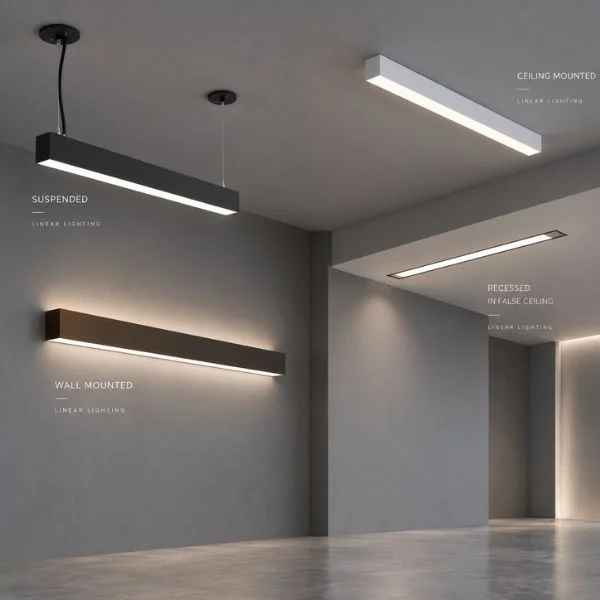
For projects requiring a cohesive design, I often integrate these pendants with wall-mounted linear lighting to maintain a consistent aesthetic throughout the floor plan.
Comparison of Popular 8-Foot Configurations
| Feature | Architectural Pendant | High-Output Utility |
|---|---|---|
| Housing Material | Extruded Aluminum | Cold-rolled Steel / Plastic |
| Light Distribution | Direct/Indirect (Uplight) | Direct Only |
| LSI Classification | Office linear pendant lights | 8ft LED shop lights |
| Mounting | Aircraft cable suspension kit | Chain or Surface Mount |
| Visual Comfort | Frosted/Glare-free lenses | High-efficacy clear lenses |
Why I Use Prillumen Light Series
The Prillumen series stands out because of its focus on the installer’s experience. Their 8 foot LED suspended linear fixtures feature tool-free access and robust linkability. They are DLC Premium linear fixtures, meaning they meet the highest efficiency standards for utility rebates while providing the high-end finish architects demand. If you have questions about specific project layouts, you can contact our team for technical support.
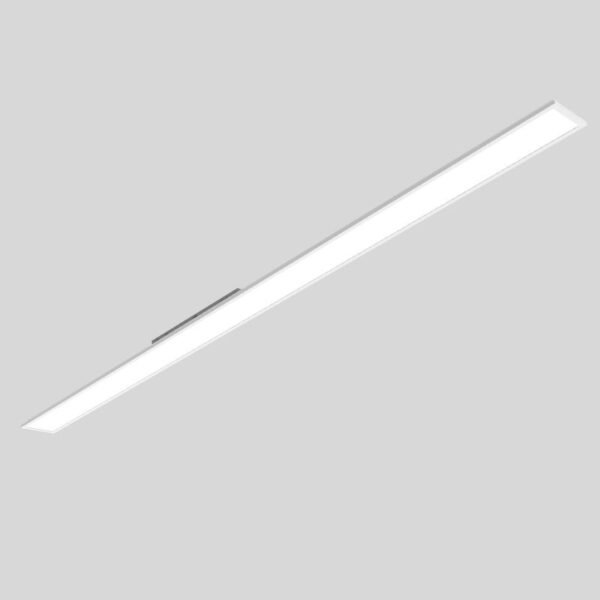
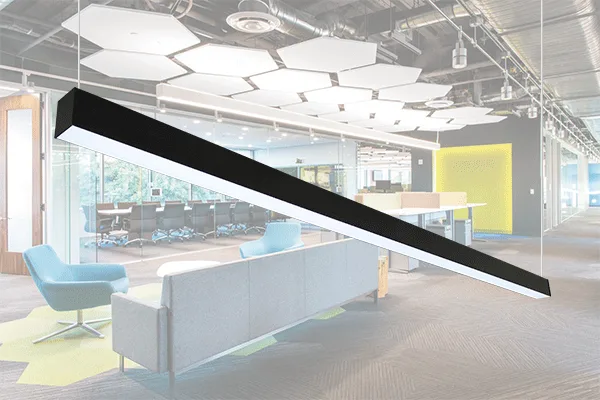
8 foot led suspended linear fixture with seamless joiner for continuous run
❓ Frequently Asked Questions (FAQ)
Q1: Why should I choose 8ft LED linear fixtures over 4ft units for my commercial project?
A: Choosing 8ft LED suspended linear fixtures significantly reduces total project costs. You will benefit from 50% fewer mounting points and electrical connections, which slashes labor hours for contractors. Visually, 8ft sections provide a much cleaner, seamless continuous run with fewer joints, offering a premium architectural finish that property owners prefer.
Q2: Are your 8-foot linear lights UL Listed for US building inspections?
A: Yes. All our professional-grade 8ft linear fixtures are UL Listed . This is the gold standard for safety in North America. Having UL certification ensures your project complies with local fire and electrical codes, avoiding costly delays during the Fire Marshal inspection phase.
Q3: How much can I save on utility rebates with DLC Premium fixtures?
A: By installing DLC Premium qualified 8ft linear LED lighting, you can typically unlock the highest tier of energy rebates from utility companies like ConEd, PG&E, or Duke Energy. Many of our clients see rebates covering 20% to 50% of the initial material cost, depending on local programs and the fixture’s high efficacy (130+ lm/W).
Q4: Can these 8ft linear lights be linked for long continuous runs in supermarkets or large offices?
A: Absolutely. Our systems feature seamless linkable linear LED technology with internal alignment pins and heavy-duty joiners. This allows for straight, sag-free runs exceeding 100 feet. We also provide quick-connect wiring to simplify daisy-chaining power across the entire run.
Q5: Do you offer IES files and lighting layout assistance for large-scale retrofits?
A: Yes, as a dedicated architectural lighting manufacturer, we provide full technical support. We offer IES files for all our 8ft fixtures for use in AGi32 or DIALux. For large-scale office or supermarket projects, our team can assist with spacing guidelines and footcandle calculations to ensure your layout meets OSHA and IESNA standards.
Q6: What is the lead time for bulk orders of 8-foot linear pendants for US delivery?
A: We understand that construction schedules are tight. While lead times vary by order size and customization (such as field-selectable CCT), we maintain a streamlined production process to support large-scale commercial procurement. Please contact our sales team for current stock status and expedited shipping options to North America.
Related Sources
STAY IN THE LOOP
Subscribe to our free newsletter.
Leave A Comment

Explore types of hanging lights including pendant chandeliers and cluster designs to find the perfect style for every room