
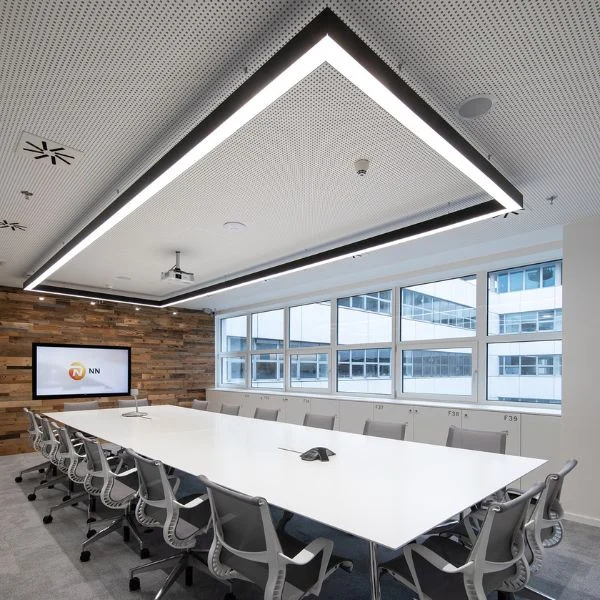
Choosing between recessed and suspended linear lighting can completely transform how your space feels, works, and performs. But getting it wrong? That means dealing with massive installation headaches, harsh glare, or a space that just feels “off.”
As a lighting design specialist, I’ve seen how the right architectural fixtures can elevate a project from basic to breathtaking. Whether you’re aiming for a sleek, minimalist vibe or trying to conquer a room with soaring, open ceilings, the decision comes down to more than just aesthetics.
In this guide, we’ll break down the structural requirements, costs, and performance differences of both mounting styles so you can make the perfect choice for your next project.
Let’s dive right in.
What is Recessed and Suspended Linear Lighting?
Linear lighting has revolutionized modern architecture, offering sleek, continuous lines of light that replace traditional, bulky fixtures. Selecting the right mounting profile—specifically choosing between recessed vs suspended linear lighting—dictates both the architectural integration and the spatial dynamics of your environment.
Understanding Recessed Linear LED Lighting
Recessed linear LED lighting is designed to sit completely flush with the mounting surface, creating a seamless, minimalist aesthetic. The light fixture is embedded directly into a cutout within the ceiling or wall, concealing the housing entirely from view.
- Clean Visual Lines: Integrates flawlessly with plasterboard, drywall, or modular grid ceilings for an uncluttered look.
- Space Optimization: Ideal for low-ceiling environments, as it consumes zero vertical spatial footprint.
- Directional Focus: Delivers clean, downward illumination (direct light) that accentuates architectural pathways and geometric layouts.

Understanding Suspended Linear LED Lighting
Suspended linear LED lighting hangs down from the ceiling structure using specialized aircraft cables, rods, or chains. This profile transforms the lighting fixture into a visible architectural element, making it a prominent feature of the interior design concept.
- Volumetric Presence: Fills the vertical void in high-ceiling or open-plenum spaces, anchoring the room’s design.
- Versatile Distribution: Offers single or dual-emission capabilities, allowing for direct downward lighting, indirect upward lighting, or a combination of both.
- Adjustable Mounting: The suspension height can be tailored precisely to the functional needs of the task areas below, such as over workstations, conference tables, or kitchen islands.
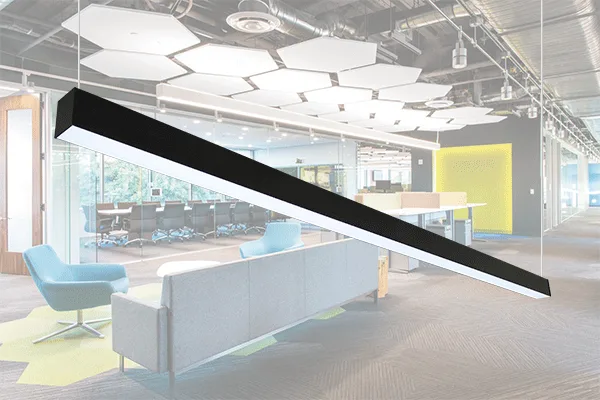
Key Differences Between Recessed and Suspended Linear Lighting
Choosing between these two profiles comes down to structural compatibility, visual goals, and budget. While both use high-grade LED technology, their physical presence and light delivery mechanisms are completely different.
| Feature | Recessed Linear Lighting | Suspended Linear Lighting |
|---|---|---|
| Visual Presence | Flush, hidden profile, clean ceiling lines | Visible fixture, design statement piece |
| Light Direction | Direct downlight only | Direct (down), Indirect (up), or Bi-directional |
| Ceiling Requirement | Requires cavity depth (drywall/T-grid) | Needs anchor points, works on exposed/high ceilings |
| Installation Labor | High (cutting, mudding, framing) | Medium (hanging aircraft cables, wiring) |
| Best For | Minimalist spaces, low ceilings | High ceilings, open-concept offices, retail |
Aesthetic Impact and Design Style
Recessed linear fixtures sit completely flush with the ceiling plane. This creates a clean, unbroken architectural line that makes interiors feel larger and less cluttered. It is the ultimate choice for minimalist designs where the light source should be invisible, leaving only the illumination itself.
Suspended fixtures hang down into the room via aircraft cables or rods, acting as a functional design element. A sleek linear LED pendant light breaks up the emptiness of vast volumes, adds a modern industrial edge, and defines specific functional zones like conference tables or reception desks.
Lighting Efficiency and Performance
Recessed channels are strictly direct downlights. Every lumen is pushed straight down, which is highly effective for task lighting but can sometimes create a “cave effect” if the ceiling remains dark.
Suspended models offer massive performance advantages through multi-directional light distributions:
- Direct Downlighting: High-intensity illumination focused squarely on tasks, desks, or walkways.
- Indirect Uplighting: Bounces light off the ceiling to create soft, glare-free ambient illumination.
- Bi-Directional Output: Combines both options to maximize visual comfort and minimize eye strain in high-productivity environments.
Installation Complexity and Requirements
The physical infrastructure of your building dictates this choice. Recessed linear lighting demands a hollow ceiling cavity. Installing it means cutting into drywall, navigating studs, or integrating with specific commercial T-grid layouts. It requires precision framing and finishing to look right.
Suspended setups bypass internal ceiling constraints entirely. They mount easily to solid concrete slabs, wood beams, or exposed structural steel trusses. The main requirement is adequate vertical clearance; they need room to hang without becoming a head hazard.
Initial Investment and Maintenance Costs
Recessed lines cost more upfront in labor. The drywall modification, plastering, painting, and specialized housing channels drive up construction bills. Once sealed in place, modifying or repairing driver components requires working through small access panels or removing the light engine entirely.
Suspended linear fixtures often have a higher initial hardware cost due to finished decorative housings, but they install much faster with standard hanging hardware. Maintenance is incredibly straightforward since the driver compartments and wiring joints are easily accessible right from a standard A-frame ladder.
Pros and Cons of Recessed Linear Lighting
Recessed linear lighting offers a clean, ultra-modern look by sitting flush with your ceiling or wall surface. While it delivers an undeniable architectural edge, it also comes with specific structural demands that you need to consider before breaking ground.
Main Advantages for Architectural Spaces
- Flawless Visual Integration: Because the fixtures are embedded directly into the structural surfaces, they create a seamless, minimalist aesthetic. For high-end projects, utilizing a flangeless architectural integration allows the light to blend invisibly into drywall without any visible trim or borders.
- Maximizes Spatial Volume: By keeping the entire lighting fixture inside the ceiling cavity, recessed linear paths keep your sightlines completely open. This makes rooms feel taller, larger, and entirely uncluttered.
- Directional Versatility: This mounting method isn’t limited to general ambient illumination. It is highly effective for accentuating textures and artwork, especially when configuring systems like recessed linear wall wash lighting to distribute smooth, even light down vertical surfaces.
- Zero Interference: Excellent for low-ceiling environments, high-traffic corridors, or minimalist spaces where hanging fixtures would physically or visually disrupt the room layout.
Potential Disadvantages and Limitations
- Intensive Structural Requirements: Installing recessed linear profiles requires sufficient plenum depth (the space above the ceiling grid) and careful planning to avoid joists, HVAC ducts, and plumbing.
- Higher Labor Costs: Cutting precise channels into drywall or modifying existing ceiling frameworks makes the initial installation far more complex and time-consuming than surface-mounted or suspended alternatives.
- Rigid Spatial Layouts: Once a recessed channel is cut and mudded into the ceiling, your lighting layout is permanent. Relocating the light source down the road requires significant drywall patching, structural repair, and repainting.
Ideal Application Scenarios for Each Mounting Option
Choosing between recessed and suspended linear lighting depends entirely on the environment you are designing. Both options serve specific functional and aesthetic purposes across different sectors.
Commercial and Corporate Office Spaces
Modern workplaces thrive on balanced, glare-free illumination that boosts productivity.
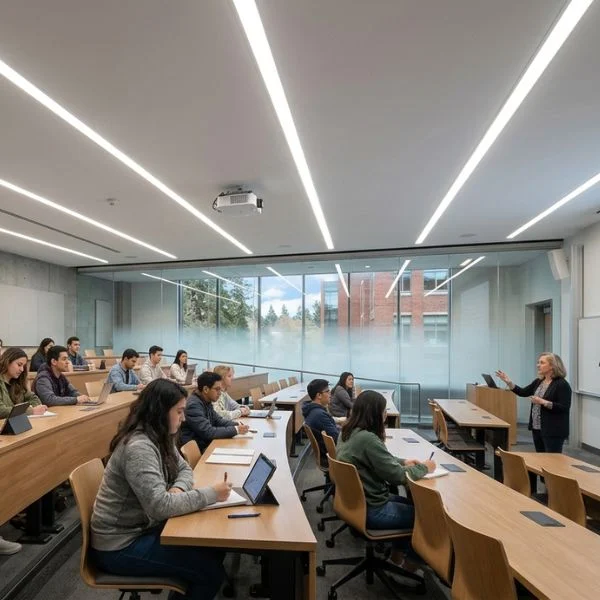
- Open-Plan Offices: Suspended linear lighting is the go-to choice here. Hanging these fixtures creates a lower visual ceiling, making vast rooms feel more collaborative and structured. Utilizing led linear hanging lights allows for both direct downlighting on desks and indirect uplighting to reduce eye strain.
- Conference Rooms & Corridors: Recessed linear LED lighting works best in hallways and meeting rooms with lower ceilings. It provides a clean, continuous line of light that directs traffic flow without cluttering the overhead space.
Residential and Hospitality Environments
In homes, hotels, and lounges, lighting sets the mood and defines the interior architectural lines.
- Minimalist Living Areas & Kitchens: Recessed linear lighting seamlessly integrates into drywall ceilings. It delivers a sleek, high-end look that complements modern, flush interior designs.
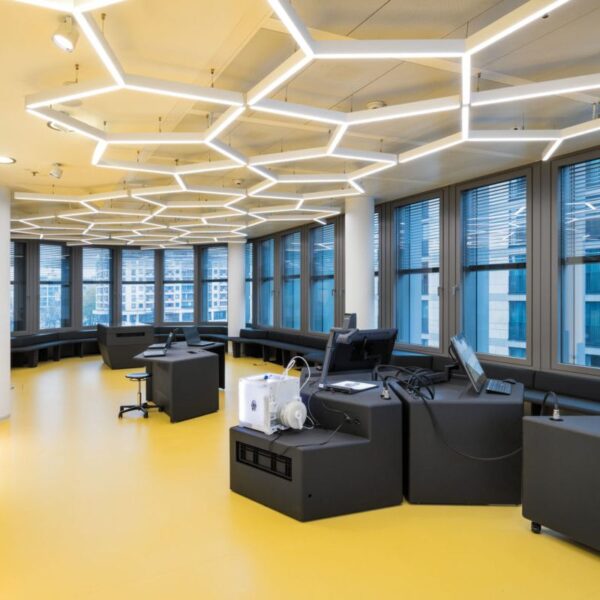
- Dining Rooms & Hotel Lobbies: Suspended fixtures act as functional statement pieces. Hanging a geometric or straight linear light over a dining island or a reception desk adds a layer of sophisticated drama. For unique, modern layouts, a y-shape modular linear light can create a striking focal point that draws the eye.
Retail and Public Infrastructure
High-traffic areas require durable, high-output lighting that guides visitors and highlights products effectively.
| Application | Best Mounting Option | Primary Benefit |
|---|---|---|
| Retail Store Aisles | Suspended | Brings light closer to merchandise displays, making products pop. |
| Supermarkets & Gyms | Suspended | Fills high-ceiling, industrial-style spaces efficiently. |
| Airports & Transit Hubs | Recessed | Offers clean, unobstructed guide paths that handle heavy vibrations and require minimal cleaning. |
How to Choose the Right Linear Lighting for Your Space
Selecting between recessed vs suspended linear lighting comes down to three main factors: your ceiling structure, the room dimensions, and the design vibe you want to achieve. Getting these right ensures optimal visibility and visual comfort.
Assessing Ceiling Types and Structural Conditions
Your ceiling architecture dictates what is physically possible. Recessed linear lighting requires a hollow cavity, typically found in drywall or T-bar grid ceilings, to hide the housing. If you are dealing with solid concrete slabs, a suspended installation is usually the most practical choice unless you plan to build out a false ceiling.
| Ceiling Type | Best Linear Lighting Fit | Installation Notes |
|---|---|---|
| Drywall / Plasterboard | Recessed or Suspended | Requires precise cutting and framing for a flush finish. |
| Grid / T-Bar Ceiling | Recessed | Standard for corporate environments; fixtures drop directly into the grid. |
| Exposed Concrete / Open Loft | Suspended | Ideal for industrial styles; keeps the raw architecture visible. |
Evaluating Space Dimensions and Ceiling Height
Ceiling height directly impacts how light is distributed throughout a room. As a general rule, low ceilings need recessed fixtures to maximize vertical space, while high ceilings benefit from suspended fixtures to bring the light down where it is actually needed.
- Low Ceilings (Under 8.5 feet): Stick with recessed linear fixtures. Suspended lights will make the room feel cramped and pose a physical hazard.
- Standard Ceilings (8.5 to 10 feet): Both options work well. The choice depends entirely on your functional needs and aesthetic preferences.
- High / Vaulted Ceilings (Over 10 feet): Suspended linear lighting is ideal. It brings the source closer to tasks and allows for up-lighting to eliminate shadows on the ceiling.
Matching the Interior Design Concept
The lighting should complement the overall architectural intent of the room. Recessed lines create a minimalist, architectural look that blends into the background, emphasizing clean lines and spatial boundaries. Suspended fixtures act as design elements themselves, anchoring furniture layouts like conference tables or kitchen islands.
When planning a commercial project, matching the right fixture style to the workspace layout is a critical step in finalizing your overall office lighting strategy.
Common Installation Mistakes to Avoid
Getting the choice between recessed vs suspended linear lighting right is only half the battle. If the physical installation fails, the entire design suffers. Over the years, we have seen identical execution errors ruin great architectural spaces. Avoiding these three critical oversights keeps projects on track and within budget.
Underestimating Spatial and Ceiling Requirements
A gorgeous design on paper can fall apart during installation if ceiling constraints are ignored. Recessed fixtures require specific plenum depth (the space above the drywall) to house the housing and drivers. Suspended options need structurally sound anchor points to safely support the weight of the hanging hardware.
| Lighting Type | Minimum Clearance Requirements | Structural Necessity |
|---|---|---|
| Recessed Linear | 4 to 6 inches of clear plenum depth | Must clear HVAC ducts, plumbing, and joists |
| Suspended Linear | Safe distance from high-traffic zones | Solid blocking or concrete anchor points |
Before ordering a complex layout, ensure the structural backing matches the fixture. For tricky architectural shapes, using a versatile system like our square modular linear light simplifies alignment and avoids framing conflicts during rough-in.
Ignoring Future Maintenance and Accessibility
Never mount a driver where a technician cannot reach it. LED linear lights last for decades, but the electronic drivers that power them may need replacing down the line.
- Remote Driver Placement: If drivers are placed inside a tight recessed ceiling cavity without access panels, workers will have to tear down drywall just to fix a minor electrical issue.
- Suspended Fixture Height: For high ceilings, ensure the suspension cables use quick-adjust grippers. If a fixture requires custom scaffolding just to wipe away dust or tweak a connection, maintenance costs will skyrocket.
- Access Points: Always label and map out remote transformer locations on the final electrical blueprints.
Mismatched Lighting Output and Functionality
Choosing fixtures purely based on how they look rather than how they perform leads to poor lighting quality. A common mistake is installing a high-output, direct-only recessed light right over a computer screen, creating blinding glare. Conversely, hanging a low-lumen suspended decorative fixture over a conference table leaves the workspace dim and unusable.
- Check the Distribution: Suspended lighting often relies on a 70/30 or 50/50 split (direct downward light and indirect upward light) to bounce illumination off the ceiling. If the ceiling is painted dark or is too high, that indirect light is completely wasted.
- Calculate the Lumens: Recessed lines of light deliver focused, directional output. Ensure the spacing avoids dark gaps between fixtures, which creates an unintended “zebra stripe” pattern across the floor.
STAY IN THE LOOP
Subscribe to our free newsletter.
Leave A Comment
Ever feel like those harsh, buzzing fluorescent lights are actively [...]
The Architectural Demands of Modern Open Office Lighting Designing an [...]
Finding the perfect commercial lighting shouldn’t feel like a guessing [...]
You might already know that a brilliant architectural design can [...]