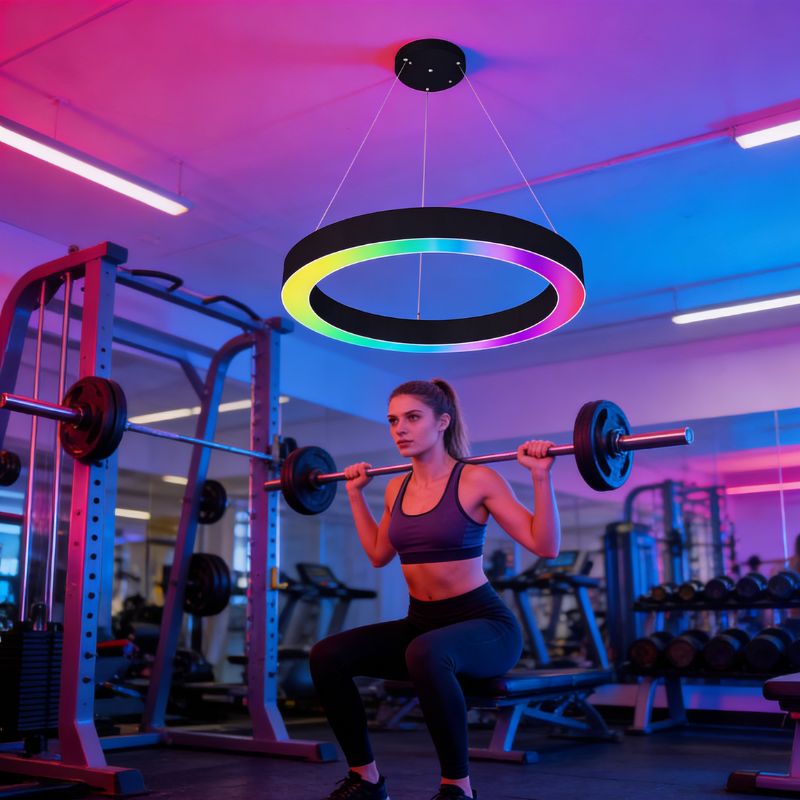
What is Tunable White Lighting?
As the industry standard evolves, the tunable white lighting ultimate guide 2026 highlights this technology as a cornerstone of modern architectural design. Tunable white lighting is an advanced LED technology that allows users to adjust the color temperature of a light source in real-time. Unlike standard static LEDs, this dynamic lighting solution provides the flexibility to transition smoothly between different shades of white. By mimicking the natural progression of daylight, it serves as the foundation for human-centric lighting, directly supporting the human circadian rhythm and promoting overall wellness.
The Basics of Color Temperature
To master light color tuning, understanding color temperature is essential. Measured in Kelvin (K), color temperature dictates the visual appearance and emotional impact of white light.
- Warm White (2700K – 3000K): Emits a cozy, yellowish glow ideal for relaxation and winding down.
- Neutral White (3500K – 4000K): Provides a balanced, crisp light perfect for general tasks and commercial environments.
- Cool White (5000K – 6500K): Delivers a bright, bluish-white light that mimics midday natural light, enhancing focus, productivity, and alertness.
How Tunable White Technology Works
Tunable white technology relies on sophisticated LED arrays and intelligent controls to achieve precise color output. Fixtures are engineered with multiple LED chips, typically blending warm and cool diodes on a single board to create a highly adaptable light source.
- Dual-Chip Integration: Combines distinct warm and cool LEDs within a single fixture to create a broad spectrum of variable white light.
- Real-Time Adjustment: Utilizes advanced lighting systems to blend the output of these chips seamlessly, achieving the exact desired Kelvin rating on demand.
- Independent Control: Allows users to manage color temperature entirely separate from brightness adjustment, offering true adaptive lighting without compromising strict illuminance requirements or energy codes.
Key Benefits of Tunable White Lighting
Tunable white lighting is a game-changer for modern environments. By mimicking the natural cycle of the sun, we provide integrated lighting solutions that do more than just illuminate a room—they enhance the human experience.
Human-Centric and Circadian Rhythm Support
Human-centric lighting (HCL) is at the core of this technology. By adjusting the color temperature throughout the day, we help regulate the body’s internal clock, or circadian rhythm.
- Morning: High-intensity cool white light (5000K-6500K) suppresses melatonin and boosts alertness.
- Afternoon: Neutral tones maintain focus and productivity.
- Evening: Soft warm white (2700K-3000K) promotes relaxation and prepares the body for sleep.
Adjusting Light Intensity and Mood
Dynamic lighting allows for real-time adjustment of both brightness and color. This flexibility is essential for multi-purpose areas, such as LED lighting for co-working spaces, where a single room might host a high-energy brainstorming session in the morning and a relaxed social event in the evening.
| Benefit | Impact on User | Best Use Case |
|---|---|---|
| Alertness Boost | Increased focus and energy | Offices & Schools |
| Mood Setting | Creates a welcoming atmosphere | Retail & Hospitality |
| Wellness Promotion | Reduces eye strain and stress | Healthcare Facilities |
High CRI and Superior Light Quality
We don’t compromise on color output. Our tunable white systems maintain a High CRI (Color Rendering Index) across the entire tuning range. This ensures that colors appear vibrant and true to life, whether you are under a crisp cool light or a cozy warm glow.
- Vibrant Visuals: Enhances textures and finishes in architectural designs.
- Visual Comfort: Eliminates the “flat” look of traditional static LEDs.
- Adaptive Lighting: Matches the natural light coming through windows to create a seamless indoor-outdoor transition.
This superior light quality is a non-negotiable standard for high-end projects where wellness promotion and aesthetics are the top priorities.
Tunable White vs. Dim to Warm
When upgrading your lighting systems, you will likely encounter two popular LED technologies: tunable white and dim-to-warm. While both alter the color output of your space, they operate differently and serve distinct purposes in dynamic lighting design.
Understanding Dim to Warm Solutions
Dim-to-warm technology is designed to replicate the familiar, cozy behavior of traditional incandescent and halogen bulbs. In these systems, brightness adjustment is directly tied to the color temperature.
- How it works: At full brightness, the fixture emits a standard warm white (typically around 3000K). As you dim the light, the color temperature automatically drops, creating a rich, amber glow (often down to 1800K).
- Best use cases: This approach is ideal for restaurants, hotel lobbies, and residential spaces where creating an intimate, relaxed atmosphere is the primary goal.
Which Color Tuning Option is Right for You?
Choosing between these two depends entirely on your project’s goals. I always advise looking at the primary function of the room before making a decision.
Tunable White Lighting
- Offers independent control over both intensity and color temperature.
- Shifts seamlessly from crisp cool white to cozy warm white without losing brightness.
- Essential for human-centric lighting and wellness promotion.
- Perfect for healthcare facilities, schools, and corporate environments. For modern offices, integrating architectural linear lighting solutions with tunable white capabilities maximizes productivity and supports the natural circadian rhythm of employees.
Dim to Warm Lighting
- Links dimming directly to a warmer color output.
- Does not offer cool white options or real-time adjustment of color independently from brightness.
- Requires simpler control systems.
- Excellent for hospitality and mood-driven environments. If you are outfitting a residential or boutique space, utilizing versatile fixtures like 5CCT LED wafer downlights can also provide flexibility during installation before settling on the perfect static or dimming setup.
By understanding the specific illuminance requirements and the desired vibe of your space, you can easily select the right light color tuning strategy to meet your daily needs.
Common Applications and Markets
As we explore the tunable white lighting ultimate guide 2026, it is clear that dynamic lighting is rapidly transforming commercial and institutional spaces. The ability to seamlessly shift between warm white and cool white is no longer just a premium feature; it is a practical necessity for wellness promotion and meeting modern energy codes.
Healthcare and Educational Facilities
In hospitals and clinics, human-centric lighting plays a massive role in patient recovery and staff efficiency. By mimicking natural light throughout the day, these advanced lighting systems support the body’s natural circadian rhythm.
- For Patients: Exposure to appropriate color temperatures helps regulate sleep cycles, promoting faster healing.
- For Staff: Bright, cool white light during night shifts keeps medical professionals alert and focused.
- For Schools: Light color tuning helps students maintain concentration. Teachers can utilize cool, bright light during exams and shift to a softer, warm white to calm the classroom during reading periods.
Office and Corporate Workspaces
Modern corporate environments demand adaptive lighting to keep employees productive and comfortable. Real-time adjustment of color temperature reduces eye strain during long hours in front of computer screens. Meeting strict illuminance requirements while maintaining a comfortable atmosphere is easier than ever with modern LED technology.
When upgrading a workspace, selecting the right fixtures is critical for long-term success. For facility managers and business owners planning an upgrade, our comprehensive office lighting systems buying guide for modern offices breaks down exactly how to implement these systems to maximize employee well-being and operational efficiency.
Retail and Hospitality Environments
Retailers and hoteliers rely heavily on variable white lighting to control the atmosphere and influence customer behavior. The right brightness adjustment and color output can completely change how a space feels.
- Hospitality: Dim-to-white features create a welcoming, cozy vibe in hotel lobbies, lounges, and restaurants, making guests feel instantly at home.
- Retail: Precise color output makes merchandise stand out, highlighting true colors and textures to drive purchasing decisions.
Staying ahead of visual merchandising trends is vital for store designers and brand managers. Attending the top global retail trade shows 2026-2027 for retail brands provides an excellent opportunity to see how industry leaders are utilizing dynamic lighting to create immersive shopping experiences.
Tunable White Lighting Product Types
As we explore the tunable white lighting ultimate guide 2026, understanding the available hardware is crucial. Modern LED technology allows us to integrate variable white capabilities into almost any fixture type, ensuring both aesthetic appeal and high-level functional performance across diverse environments.
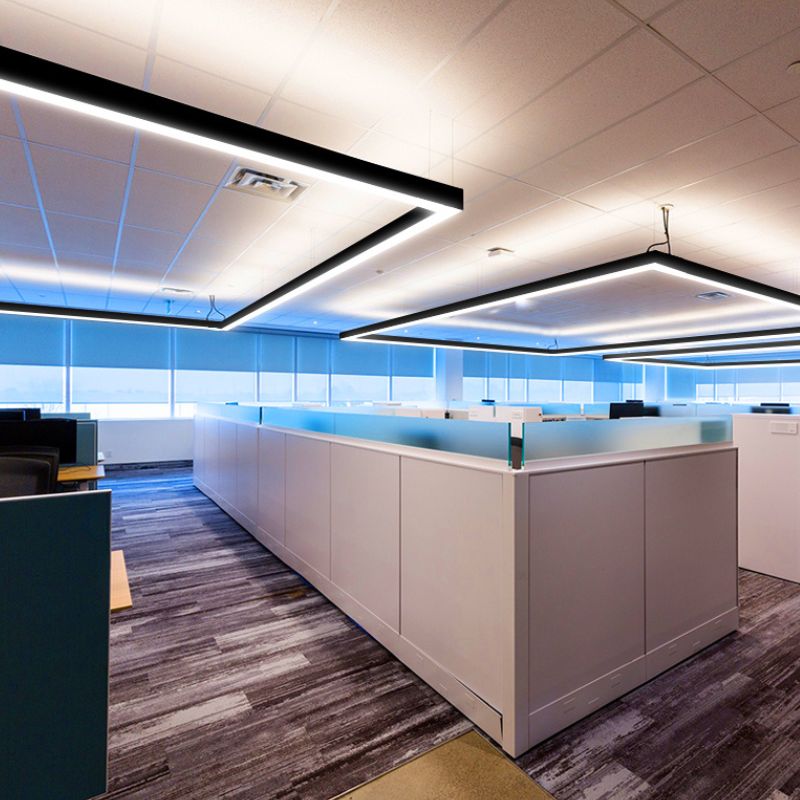
Architectural Troffers and Downlights
Architectural troffers and downlights remain the backbone of commercial lighting systems. Integrating light color tuning into these standard fixtures transforms static rooms into highly responsive spaces.
- Healthcare Facilities: Essential for meeting strict illuminance requirements while supporting patient recovery through adaptive lighting.
- Code Compliance: Easily adaptable to meet modern energy codes through precise brightness adjustment and automated controls.
- Core Performance: Offers real-time adjustment of color output without sacrificing lumen efficacy or visual comfort.
Linear and Suspended Fixtures
Linear and suspended fixtures deliver a sleek, modern aesthetic paired with advanced human-centric lighting capabilities. These fixtures are ideal for open spaces requiring both focused task illumination and overall wellness promotion. For example, incorporating linear pendant lighting for retail stores equipped with tunable technology allows operators to shift color temperature throughout the day. This dynamic lighting approach enhances product displays while keeping shoppers and staff energized.
Indoor vs. Outdoor Lighting Options
The application of tunable white technology shifts significantly depending on the environment. While indoor systems focus heavily on mimicking natural light to support the circadian rhythm, outdoor options prioritize safety, visibility, and architectural highlighting.
| Feature | Indoor Tunable Lighting | Outdoor Tunable Lighting |
|---|---|---|
| Primary Goal | Mimic natural light, wellness promotion | Safety, visibility, facade highlighting |
| Color Range | Full spectrum (warm white to cool white) | Typically limited to functional, high-visibility ranges |
| Control Focus | Dim-to-white and daily automated schedules | Seasonal adjustments and event-based tuning |
| Durability | Standard commercial ratings | High IP ratings for strict weather resistance |
Selecting the right product type ensures your lighting setup performs exactly as intended, delivering the perfect balance of form and function.
Lighting Control Systems and Solutions
As highlighted in this tunable white lighting ultimate guide 2026, getting the most out of your setup requires the right controls. Advanced lighting systems allow for real-time adjustment of both color output and intensity. Meeting strict energy codes and illuminance requirements is much easier when your dynamic lighting is paired with a smart, responsive control backbone.
Wired and Wireless Control Options
Choosing between wired and wireless setups depends entirely on your building’s infrastructure. Both methods support modern LED technology and adaptive lighting, but they serve different project needs. Working with top architectural lighting manufacturers ensures seamless integration of these control protocols into your commercial spaces.
Control Setup Comparison
| Control Type | Best Application | Key Advantages |
|---|---|---|
| Wired (0-10V, DALI) | New construction, large commercial spaces | Highly reliable, zero latency, easily meets strict energy codes. |
| Wireless (Bluetooth, Zigbee) | Retrofits, flexible office layouts | Fast installation, app-based light color tuning, highly scalable. |
Wall Controls and Room Controllers
The user interface is where human-centric lighting actually comes to life. Modern wall controls and room controllers make it simple for occupants to manage their daily environment without needing technical expertise.
- Intuitive Sliders: Dedicated physical or touch controls for precise brightness adjustment and color temperature shifts.
- Preset Scenes: Quick-access buttons to instantly transition a room from a relaxing warm white to a highly focused cool white.
- Automated Schedules: Smart controllers that automatically sync with the natural light cycle to support wellness promotion and circadian rhythms.
- Sensor Integration: Built-in occupancy and daylight harvesting sensors that automate dim-to-white transitions based on real-time room usage.
STAY IN THE LOOP
Subscribe to our free newsletter.
Leave A Comment
Office Lighting Design Guide for Modern Workplaces with lux UGR and LED fixture tips for comfort productivity and energy efficiency
Ever wonder why an outfit looks vibrant in natural sunlight, [...]
Understanding Product Safety Certifications: What is an NRTL? For electrical [...]