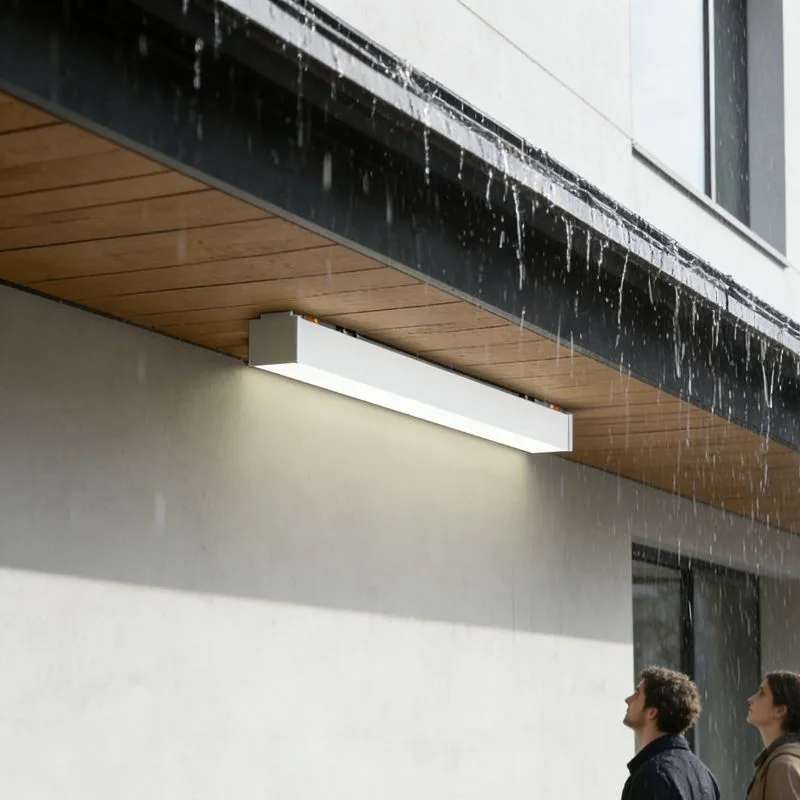
What Is an IP Rating in LED Lighting?
When specifying luminaires for commercial interiors, exterior facades, or industrial facilities, environmental durability is critical to system longevity. Evaluating IP65 vs IP66 vs IP67 starts with understanding how an IP rating defines a fixture's physical sealing against dust and moisture.
Understanding the Ingress Protection Rating System
An cURL Too many subrequests by single Worker invocation. To configure this limit, refer to https://developers.cloudflare.com/workers/wrangler/configuration/#limits is a standardized code used across the architectural and cURL Too many subrequests by single Worker invocation. To configure this limit, refer to https://developers.cloudflare.com/workers/wrangler/configuration/#limits industry to classify the degree of sealing effectiveness inside electrical enclosures. Rather than relying on vague terms like "weatherproof" or "water-resistant," the IP rating system provides specifiers, architects, and contractors with objective, testable performance benchmarks.
What Do the First and Second IP Rating Digits Mean?
Every standard IP code consists of the letters "IP" followed by two numbers, where each digit measures a distinct type of environmental protection:
- First Digit (Solid Particle Protection, Rated 0–6): Indicates how well the fixture housing blocks solid foreign objects, from large body parts and tools down to fine airborne dust. In IP65, IP66, and IP67 fixtures, the first digit is always 6, meaning the luminaire is completely dust-tight with zero ingress of dust.
- Second Digit (Liquid Ingress Protection, Rated 0–9K): Measures the enclosure's resistance to moisture under specific test conditions, such as dripping water, directional spray, high-pressure jets, or immersion. The second digit—5, 6, or 7—is what separates these three common commercial ratings.
IEC 60529 and Lighting Fixture Protection
The IP rating framework is governed internationally by IEC 60529, a standard published by the International Electrotechnical Commission. Under IEC 60529, lighting manufacturers test enclosures under controlled laboratory conditions to verify that gaskets, housings, lenses, and cable entries prevent harmful ingress that could compromise electrical safety or optical performance.
For commercial and architectural projects, referencing IEC 60529 ratings ensures that the selected luminaire matches the real-world exposure of the space—whether specifying a Surface Mounted IP65 Downlight for damp ceilings or cURL Too many subrequests by single Worker invocation. To configure this limit, refer to https://developers.cloudflare.com/workers/wrangler/configuration/#limits Architectural Linear Fixtures ASHRAE 90.1 Vaportight Lighting para ambientes exigentes.
IP65 vs IP66 vs IP67: Key Differences Explained
When specifying fixtures for commercial or architectural spaces, the first digit ("6") in all three ratings guarantees complete protection against dust ingress. The real difference lies in the second digit, which defines how each enclosure handles water exposure.
IP65: Dust-Tight Protection and Water Jets
An IP65 lighting fixture is completely dust-tight and protected against low-pressure water jets projected from any direction.
- What it handles: Wind-driven rain, condensation, humidity, and light rinsing.
- Best fit: Covered exterior soffits, damp interior ceilings, commercial restrooms, and sheltered walkways.
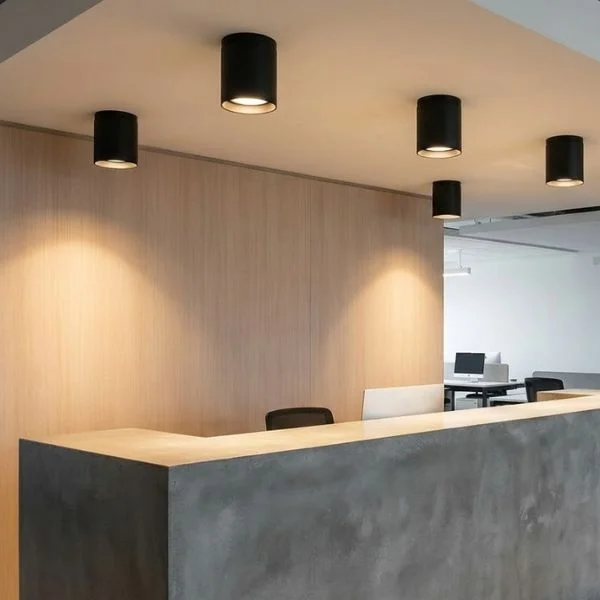
- Product integration: For ceiling applications requiring reliable moisture and dust sealing without heavy washdown exposure, our surface mounted IP65 downlights offer clean architectural integration.
IP66: Protection Against Powerful Water Jets
Stepping up to IP66 lighting gives you the same dust-tight seal alongside resistance to powerful, high-pressure water jets from any angle.
- What it handles: Heavy storms, direct hose spray, industrial washdowns, and harsh, semi-exposed conditions.
- Best fit: Exposed building facades, parking garages, transit corridors, and commercial utility zones.
- Product integration: When a project calls for execuções lineares contínuas in demanding environments, we engineer dedicated architectural fixtures like our https://prillumenlight.com/product/https://prillumenlight.com/product/2ft-ip66-architectural-linear-light/">2FT IP66 architectural linear light alongside 4FT and 8FT options to keep lines clean under heavy moisture stress.
IP67: Protection Against Temporary Water Immersion
An IP67 lighting rating shifts the test standard from directional water spray to static water submersion.
- What it handles: Temporary immersion in water up to 1 meter deep for up to 30 minutes.
- Best fit: Grade-level uplights, flood-prone walkways, and landscape perimeters where standing water can temporarily pool around the housing.
- Key distinction: Because IP67 tests static pressure rather than high-velocity spray, an IP67 enclosure is not automatically tested against the forceful water jets covered by IP66.
IP65 vs IP66 vs IP67 Comparison Table
| Rating | Dust Protection | Water Protection Level | Real-World Exposure | Typical Commercial Lighting Use |
|---|---|---|---|---|
| cURL Too many subrequests by single Worker invocation. To configure this limit, refer to https://developers.cloudflare.com/workers/wrangler/configuration/#limits | Complete (Dust-tight) | Low-pressure water jets from any direction | Light rain, humidity, splashes, damp air | Covered soffits, damp ceilings, sheltered entries |
| cURL Too many subrequests by single Worker invocation. To configure this limit, refer to https://developers.cloudflare.com/workers/wrangler/configuration/#limits | Complete (Dust-tight) | Powerful, high-pressure water jets | Driving rain, direct hose washdowns | Exposed exteriors, garages, harsh commercial zones |
| cURL Too many subrequests by single Worker invocation. To configure this limit, refer to https://developers.cloudflare.com/workers/wrangler/configuration/#limits | Complete (Dust-tight) | Temporary water immersion (up to 1m for 30 min) | Puddles, temporary flooding, standing water | In-ground uplights, flood-prone exterior grades |
IP65 vs IP66: Which Protection Level Do You Need?
Choosing between IP65 vs IP66 comes down to how much water pressure your commercial or architectural fixtures will actually face. Both ratings guarantee complete dust-tight protection, so solid particles will never enter the housing. The real decision depends on whether your project deals with routine moisture and light spray or direct, high-pressure water exposure.
Differences in Water Protection
Under IEC standards, the second digit defines how well an enclosure resists water ingress:
- IP65 Lighting: Protects against low-pressure water jets projected from any direction. It handles light washdowns, ambient humidity, and indirect weather exposure without issue.
- IP66 Lighting: Steps up to protect against powerful, high-pressure water jets and heavy seas. The gasketing and housing seals are engineered to prevent water penetration even under forceful, direct spray.
| Recurso | IP65 Rating | IP66 Rating |
|---|---|---|
| Dust Protection | Completely dust-tight | Completely dust-tight |
| Water Protection | Low-pressure water jets | Powerful, high-pressure water jets |
| Sealing Demand | Standard moisture-resistant gaskets | Heavy-duty, high-compression seals |
| Best Environment | Sheltered or damp commercial zones | Exposed, high-moisture, or washdown zones |
Suitable Applications for IP65 and IP66 LED Fixtures
Matching the rating to the architecture avoids over-specifying while keeping your installation reliable over time:
- Where to Specify IP65: Use IP65 LED fixtures in covered outdoor walkways, soffits, commercial restrooms, and damp interior ceilings. For example, a surface-mounted IP65 downlight provides clean architectural integration in sheltered soffits or damp utility corridors where fixtures are protected from direct, heavy storms or pressurized cleaning.
- Where to Specify IP66: cURL Too many subrequests by single Worker invocation. To configure this limit, refer to https://developers.cloudflare.com/workers/wrangler/configuration/#limits IP66 outdoor lights ASHRAE 90.1 linear systems for exposed building exteriors, transit platforms, parking structures, and industrial washdown zones. When a project demands continuous architectural lines in harsh conditions, IP66 architectural linear fixtures—available in 2FT, 4FT, and 8FT configurations—alongside exterior cylinders and vaportight luminaires deliver dependable sealing against wind-driven rain and routine spray. For large commercial interiors that transition from standard https://prillumenlight.com/https://prillumenlight.com/applications/8-ft-led-lights-for-shop-supermarket/">8-foot LED lights for shops and supermarkets into damp back-of-house or loading dock areas, stepping up to an IP66 linear or vaportight housing ensures consistent illumination without risking moisture failure.
IP66 vs IP67: Water Jet Protection vs Immersion
cURL Too many subrequests by single Worker invocation. To configure this limit, refer to https://developers.cloudflare.com/workers/wrangler/configuration/#limits IP66 vs IP67, many buyers assume IP67 is automatically the stronger option because the number is higher. In commercial and architectural lighting, these two ratings actually test completely different types of water exposure.
Understanding the Difference Between Water Jets and Immersion
Both IP66 and IP67 fixtures are completely dust-tight, meaning no dust or airborne debris can enter the LED enclosure. The real difference comes down to water pressure versus static submersion:
- IP66 Lighting (Water Jet Protection): Built to withstand powerful, high-pressure water jets sprayed from any direction. The housing and gaskets are engineered to resist forceful spray, heavy wind-driven rain, and routine washdowns.
- IP67 Lighting (Temporary Immersion): Built to survive temporary water immersion—typically up to 1 meter deep for 30 minutes—without water leaking inside.
Because static submersion does not create the same mechanical force as a pressurized nozzle, an IP67 fixture is not automatically tested against high-pressure water jets unless it is dual-rated.
| Recurso | IP66 Lighting | IP67 Lighting |
|---|---|---|
| Dust Protection | Complete dust-tight seal (Digit 6) | Complete dust-tight seal (Digit 6) |
| Primary Water Defense | High-pressure directional water jets | Temporary submersion (up to 1m for 30 mins) |
| Key Sealing Stress | Forceful spray impact on gaskets and lenses | Ambient water pressure under standing water |
| Typical Commercial Fit | Exposed facades, washdown zones, linear runs | In-grade fixtures, flood-prone low areas |
cURL Too many subrequests by single Worker invocation. To configure this limit, refer to https://developers.cloudflare.com/workers/wrangler/configuration/#limits architectural lighting projects, we configure IP66 linear fixtures (such as 2FT, 4FT, and 8FT models) and vaportight lighting when a space faces heavy spray, humidity, or exposed exterior weather. Keeping https://prillumenlight.com/standard-compliance-uletl-for-importing-https://prillumenlight.com/standard-compliance-uletl-for-importing-office-lighting-to-the-us/">UL and ETL compliance standards aligned with the right IP rating ensures the fixture holds up safely under real site conditions.
When Is IP67 Protection Necessary?
You only need IP67 lighting when a fixture sits where standing water can accumulate or temporarily submerge the housing. Over-specifying IP67 for overhead or wall-mounted fixtures often adds unnecessary cost and thermal sealing complexity without improving real-world durability.
Specify IP67 protection in these scenarios:
- In-ground and grade-level uplights installed in walkways, plazas, or landscaping beds where rainwater pools.
- Low-lying flood-prone zones such as drainage trenches, loading dock pits, or coastal ground perimeters.
- Splash-heavy architectural features near fountains or reflecting pools where fixtures sit close to the waterline.
If your luminaire is mounted on a ceiling, wall, or canopy where it faces wind-driven rain or washdown hoses rather than standing puddles, IP66 lighting gives you the targeted protection the architecture actually requires.
Choosing the Right IP Rating for Different Lighting Applications
Selecting between IP65, IP66, and IP67 comes down to matching the fixture's seal to the exact environmental stress of the installation. Rather than over-specifying every zone, we configure the luminaire around the architecture and daily operating conditions of the space.
| Application Environment | Typical Exposure | Recommended Rating | Suitable Fixture Solutions |
|---|---|---|---|
| Outdoor Commercial Exteriors | Wind-driven rain, dust, and open-air weather | cURL Too many subrequests by single Worker invocation. To configure this limit, refer to https://developers.cloudflare.com/workers/wrangler/configuration/#limits (or cURL Too many subrequests by single Worker invocation. To configure this limit, refer to https://developers.cloudflare.com/workers/wrangler/configuration/#limits at grade) | cURL Too many subrequests by single Worker invocation. To configure this limit, refer to https://developers.cloudflare.com/workers/wrangler/configuration/#limits architectural linear fixtures, exterior cylinders |
| Industrial & Warehouse Facilities | Heavy airborne dust, debris, and occasional spray | IP65 / IP66 | Vaportight lighting, 2FT/4FT/8FT IP66 linear fixtures |
| Food Processing & Washdown Zones | Pressurized hose cleaning and high humidity | cURL Too many subrequests by single Worker invocation. To configure this limit, refer to https://developers.cloudflare.com/workers/wrangler/configuration/#limits | cURL Too many subrequests by single Worker invocation. To configure this limit, refer to https://developers.cloudflare.com/workers/wrangler/configuration/#limits cURL Too many subrequests by single Worker invocation. To configure this limit, refer to https://developers.cloudflare.com/workers/wrangler/configuration/#limits, sealed vaportight enclosures |
| Parking Garages & Covered Walkways | Ambient moisture, condensation, and exhaust dust | cURL Too many subrequests by single Worker invocation. To configure this limit, refer to https://developers.cloudflare.com/workers/wrangler/configuration/#limits | Surface mounted IP65 downlights, vaportight fixtures |
| Wet & Damp Commercial Interiors | Splash zones, steam, and high-moisture ceilings | IP65 / IP66 | Surface mounted IP65 downlights, IP66 linear lights |
Outdoor Commercial Lighting
Exposed building facades, open-air walkways, and exterior entryways face wind-driven rain and constant dust accumulation. For these locations, we recommend IP66 outdoor lights to handle heavy directional weather without moisture breaching the housing. Facade & Architectural Lines: Use 2FT, 4FT, or 8FT IP66 architectural linear fixtures where clean visual lines meet open-air exposure. Wall & Ceiling Accents: Exterior cylinder lighting provides focused illumination on exposed columns and perimeters. Ground-Level Zones: Reserve IP67 lighting strictly for grade-level or low-lying areas prone to temporary standing water or puddling.
Industrial and Warehouse Lighting
Manufacturing floors, logistics hubs, and utility corridors generate high levels of airborne dust, grit, and vibration. Every fixture here needs complete dust-tight protection (the first digit 6) to keep internal drivers and optics clean. Dust-Heavy Zones: IP65 lighting is sufficient where airborne particles and occasional low-pressure splashes are the primary concerns. Heavy-Duty Corridors: cURL Too many subrequests by single Worker invocation. To configure this limit, refer to https://developers.cloudflare.com/workers/wrangler/configuration/#limits vaportight lighting or IP66 linear fixtures in loading bays and semi-open industrial zones exposed to rough weather or routine cleaning.
Food Processing and Washdown Environments
Facilities that undergo regular sanitation face direct, pressurized water spray rather than gentle rain. Because cURL Too many subrequests by single Worker invocation. To configure this limit, refer to https://developers.cloudflare.com/workers/wrangler/configuration/#limits tests for static submersion rather than high-pressure directional force, IP66 lighting is the safer specification for active washdown spaces. Pressurized Spray Protection: IP66 architectural linear fixtures ASHRAE 90.1 vaportight luminaires are built with sealed housings to withstand powerful water jets during routine facility cleaning. Hygienic & Clinical Crossovers: Facilities with strict sanitation protocols—similar to lighting for hospitals and healthcare facilities—benefit from smooth, sealed enclosures that prevent dust buildup and tolerate frequent surface wipe-downs.
Parking Garages and Covered Outdoor Areas
Semi-exposed spaces like multi-level parking structures, soffits, canopies, and covered transit platforms rarely face direct torrential rain, but they deal with constant humidity, condensation, and vehicle exhaust dust. Overhead Ceiling Grid: A surface mounted IP65 downlight delivers reliable dust-tight and splash-resistant performance under covered ceilings without the added cost of immersion-grade seals. Drive Lanes & Ramps: Vaportight fixtures or IP65/IP66 linear lights protect against moisture ingress from wet vehicles and seasonal temperature swings.
Wet and Damp Location Lighting
Commercial restrooms, locker rooms, spa corridors, and utility rooms create high-humidity microclimates where standard indoor fixtures fail prematurely. Selecting the right https://prillumenlight.com/types-of-commercial-lighting-fixtures-and-their-https://prillumenlight.com/types-of-commercial-lighting-fixtures-and-their-benefits/">types of commercial lighting fixtures and their benefits ensures long-term reliability in moisture-prone interiors. Damp Ceilings & Overhangs: Specify IP65 lighting for areas exposed to steam, condensation, and indirect water spray. Direct Splash & Hose-Down Areas: Step up to IP66 linear fixtures in commercial kitchens, janitorial closets, and wet utility rooms where fixtures sit directly in the splash zone.
IP Ratings vs UL Wet Location Listings
cURL Too many subrequests by single Worker invocation. To configure this limit, refer to https://developers.cloudflare.com/workers/wrangler/configuration/#limits ip65 vs ip66 vs ip67 ratings for a commercial project, specifiers often assume a high IP number automatically covers North American electrical code requirements. In reality, ingress protection codes and UL location listings evaluate completely different aspects of fixture performance.
Understanding IP Protection and UL Certification
An Ingress Protection (IP) rating measures how effectively a luminaire enclosure blocks solid particles and water under standardized test conditions. By contrast, UL and cUL certifications verify overall electrical safety, thermal management, and compliance with North American installation codes.
- IP Ratings (IP65, IP66, IP67): Focus strictly on environmental sealing against dust, water spray, jets, or temporary immersion.
- UL / cUL Location Listings: Evaluate electrical shock hazards, fire safety, wiring compartment integrity, and suitability for specific environmental zones (Dry, Damp, or Wet).
- Project Documentation: Commercial lighting packages typically require both an appropriate IP rating for physical durability and verified UL/cUL compliance to pass electrical inspection.
For a deeper breakdown of how North American safety classifications apply on the job site, review our https://prillumenlight.com/a-contractors-guide-to-ul-damp-https://prillumenlight.com/a-contractors-guide-to-ul-damp-vs-wet-location-lighting/">contractor's guide to UL damp vs. wet location lighting.
Why IP Ratings and Wet Location Listings Are Not Interchangeable
Having an IP65, IP66, or IP67 rating does not automatically make a luminaire UL Wet Location listed, nor does a UL Wet Location label guarantee protection against high-pressure water jets or submersion.
- Different Testing Standards: A fixture can pass an IP66 water-jet test without being evaluated for UL electrical safety standards, and a UL Wet Location fixture may be built to handle rain and condensation without surviving pressurized washdowns.
- Mounting Orientation Matters: UL Wet Location approvals often depend on how a luminaire is installed—such as wall-mounted versus ceiling-mounted—whereas IP testing focuses on the enclosure itself.
- Specifying for Full Compliance: When designing for exposed exteriors, damp corridors, or washdown spaces, we recommend verifying both the ingress rating and the UL/cUL listing on the fixture specification sheet—such as pairing an IP66 enclosure with UL/cUL options in a dedicated cURL Too many subrequests by single Worker invocation. To configure this limit, refer to https://developers.cloudflare.com/workers/wrangler/configuration/#limits.
How to Select an IP-Rated LED Lighting Fixture
Choosing between IP65 vs IP66 vs IP67 comes down to matching the luminaire to real site conditions rather than defaulting to the highest number on a spec sheet. When we engineer architectural and commercial lighting systems, we configure the fixture around the architecture and environmental exposure so you get reliable performance without over-specifying.
Evaluate Water and Dust Exposure
Start by mapping out exactly what hits the fixture during normal operation and routine maintenance:
- Dust and airborne debris: All three ratings (IP65, IP66, and IP67) provide complete dust-tight protection, keeping fine particles out of optical chambers and drivers.
- Directional spray vs. washdown: Covered exteriors and damp ceilings handle low-pressure moisture (IP65) well, whereas exposed facades, transit corridors, or commercial washdown zones demand protection against powerful water jets (IP66).
- Pooling or temporary submersion: Grade-level installations or areas prone to standing water require temporary immersion protection (IP67).
Consider Installation Location and Mounting Conditions
How and where a fixture mounts directly affects water runoff, thermal dissipation, and long-term seal integrity:
- Surface and ceiling mounts: For damp interior ceilings or sheltered overhangs, a Surface Mounted IP65 Downlight provides clean architectural integration with dependable moisture resistance.
- Exposed linear runs and exteriors: For open canopies, building perimeters, or demanding commercial spaces, our 2FT, 4FT, and 8FT IP66 Linear Fixtures, Exterior Cylinders, e Vaportight Lighting maintain continuous optical lines under heavy weather or spray.
- Custom architectural geometry: When evaluating broader https://prillumenlight.com/eureka-lighting-architectural-led-fixtureshttps://prillumenlight.com/eureka-lighting-architectural-led-fixtures-and-product-guide/">architectural LED fixtures and product guides, verify how mounting brackets, end caps, and continuous connectors affect the luminaire's rated enclosure boundary.
Check Housing Materials, Sealing and Electrical Protection
An IP rating for LED lights is only as dependable as the physical build behind it. Before finalizing a fixture schedule, inspect the mechanical construction:
- Precision fabrication and finishes: Look for tightly formed housings and durable powder-coated finishes that resist corrosion in humid or coastal environments.
- Gasket and lens integrity: Continuous perimeter gasketing and properly seated lenses prevent moisture ingress across thermal expansion cycles.
- In-house testing: Working with a manufacturer that handles sheet metal fabrication, assembly, and testing under one roof ensures consistent sealing across both standard and custom-engineered runs.
Review Product Certifications and Manufacturer Documentation
Never rely on an IP number alone for commercial code compliance. Always verify the complete specification package before releasing an order:
- Safety listings: Confirm UL or cUL certification options alongside the Ingress Protection rating to satisfy local electrical inspectors.
- Photometric and install files: Review Spec Sheets, arquivos IES, e Installation guides to ensure sealing methods—such as conduit entries and field wiring compartments—preserve the fixture's rated protection once installed.
- Schedule and drawing review: For complex commercial projects or custom configurations, share your fixture schedule and architectural drawings early so engineering teams can confirm mounting, optics, and compliance requirements up front.
Frequently Asked Questions About IP65, IP66 and IP67 Lighting
Is IP66 Better Than IP65 for Outdoor Lighting?
For fully exposed outdoor spaces, IP66 is the stronger choice because it shields fixtures against powerful, directional water jets and wind-driven storms rather than just low-pressure spray. While IP65 lighting works reliably under covered canopies, soffits, or sheltered walkways, we recommend stepping up to IP66 outdoor lights—such as dedicated IP66 architectural linear fixtures or exterior cylinders—whenever luminaires face direct, unshielded weather exposure.
Can IP67 Lights Be Used Outdoors?
cURL Too many subrequests by single Worker invocation. To configure this limit, refer to https://developers.cloudflare.com/workers/wrangler/configuration/#limits, IP67 lighting can be used outdoors, especially in ground-level or grade-mounted applications where temporary pooling water is a risk. However, because IP67 testing evaluates static water immersion rather than high-velocity spray, cURL Too many subrequests by single Worker invocation. To configure this limit, refer to https://developers.cloudflare.com/workers/wrangler/configuration/#limits often remains the practical standard for exposed overhead and wall-mounted architectural fixtures subject to driving rain or pressure washing.
Is IP67 Suitable for Continuous Water Submersion?
No, an cURL Too many subrequests by single Worker invocation. To configure this limit, refer to https://developers.cloudflare.com/workers/wrangler/configuration/#limits only covers temporary water immersion—not continuous underwater operation. If your project requires luminaires to remain permanently submerged in fountains, pools, or water features, you must specify IP68-rated fixtures engineered specifically for continuous submersion.
Can IP65 Lighting Be Used in Heavy Rain?
IP65 outdoor lights handle standard rain and light splashing without issue, making them well-suited for covered commercial ceilings and damp areas. In regions prone to heavy, wind-driven rain or severe storms, specifying cURL Too many subrequests by single Worker invocation. To configure this limit, refer to https://developers.cloudflare.com/workers/wrangler/configuration/#limits or vaportight lighting provides a safer margin against high-pressure water intrusion.
Does an IP67 Rating Mean a Light Is UL Listed?
No, an Ingress Protection rating e um UL listing are separate evaluations. IP ratings strictly measure solid and liquid enclosure protection under IEC standards, whereas UL/cUL certifications verify electrical and fire safety for North American compliance. Always verify both the required IP rating and UL/cUL documentation on your fixture spec sheets—especially when specifying specialized commercial interiors like https://prillumenlight.com/hospital-lightinghttps://prillumenlight.com/hospital-lighting-complete-guide-2026-for-better-safety-and-care/">healthcare and hospital lighting environments where strict safety standards apply.
Which IP Rating Is Best for Industrial LED Lighting?
The ideal rating depends on the specific facility zone: IP65: Best for dusty warehouses, utility corridors, and general damp commercial interiors using surface-mounted downlights or sealed linear fixtures. IP66: The benchmark for harsh industrial facilities, washdown zones, and exposed loading areas where IP66 linear fixtures or vaportight lighting must withstand high-pressure cleaning and heavy moisture. IP67: Reserved for floor-level, pit, or flood-prone industrial zones where equipment may experience temporary standing water.
Fontes Relacionadas
- https://www.acuitybrands.com/resources/markets/industrial-lighting/food-processing-lighting
- https://hi-hyperlite.com/blogs/comprehensive-guides/farm-lighting-safety-ul-
- https://www.dmflighting.com/wp-content/uploads/2018/07/Wet_Location_Luminaires_09_14_22.pdf
- https://www.luminatelightinggroup.com/post/ip65-ip66-ip67-ratings-outdoor-lighting
FIQUE POR DENTRO
Inscreva-se na nossa newsletter gratuita.
Deixe um Comentário

Learn how 0–10V dimming works in commercial LED cURL Too many subrequests by single Worker invocation. To configure this limit, refer to https://developers.cloudflare.com/workers/wrangler/configuration/#limits, including wiring, drivers, control compatibility, applications and troubleshooting.
Iluminação de Escritório Design Guide for Modern Workplaces with lux UGR and LED fixture tips for comfort productivity and energy efficiency
Ever wonder why an outfit looks vibrant in natural sunlight, [...]
O que é Iluminação de Branco Ajustável? À medida que o padrão da indústria evolui, [...]