
Architectural Lighting Forms
Architectural Lighting Forms for Designed Commercial Interiors
Explore ring, round, cylinder, curved, geometric pattern and vertical lighting systems developed to shape space as well as illuminate it. Compare each family by visual intent, mounting method and project application.
Explore the Collection
Six Lighting Form Families With Distinct Architectural Roles
Each collection uses a different geometry and spatial language. Select a family below to review its sizes, mounting options, optical configurations, applications and project-specific capabilities.
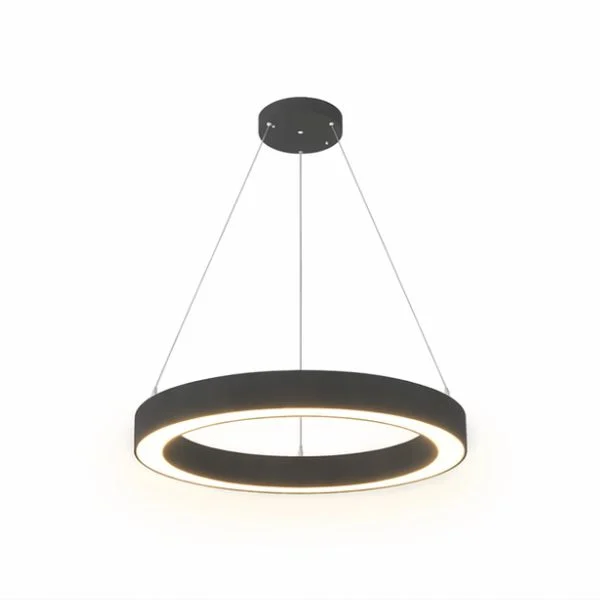
Ring Pendant Lighting
Open-center circular LED pendants with multiple diameters and direct or direct-indirect distributions for lobbies, meeting rooms and large commercial spaces.
Explore Ring Pendants →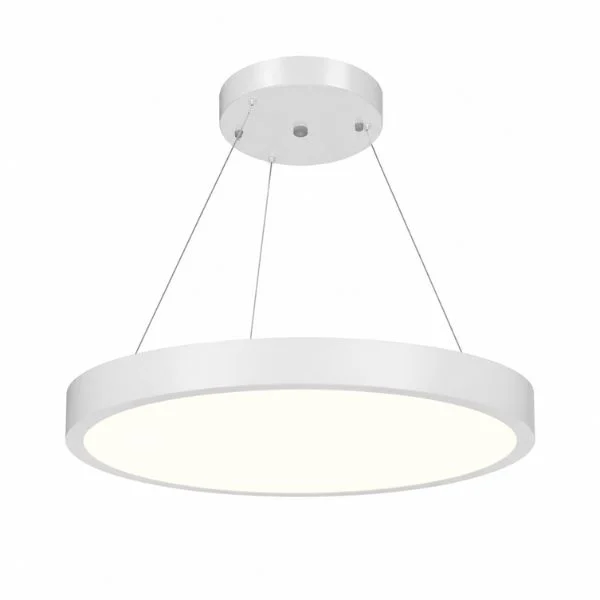
Round Pendant Lighting
Solid circular pendant luminaires with a complete luminous face and broad diffused output for hospitality, workplace and contemporary interiors.
Explore Round Pendants →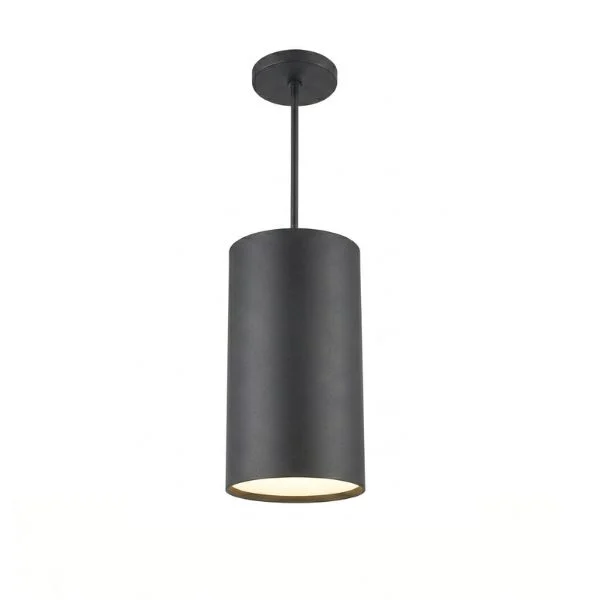
Cylinder Lighting
A coordinated family of pendant, surface and wall-mounted cylinders for focused illumination and repeated architectural rhythm.
Explore Cylinder Lighting →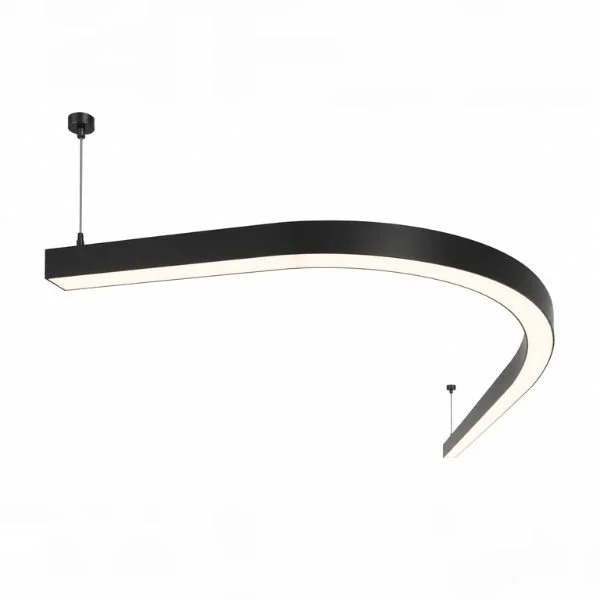
Curved Linear Lighting
Radius-based arcs, quarter circles and straight-to-curved combinations for continuous lighting paths that follow interior geometry.
Explore Curved Linear →
Lighting Patterns
Modular linear systems, illuminated corners and junction components for squares, rectangles, triangles and custom ceiling compositions.
Explore Lighting Patterns →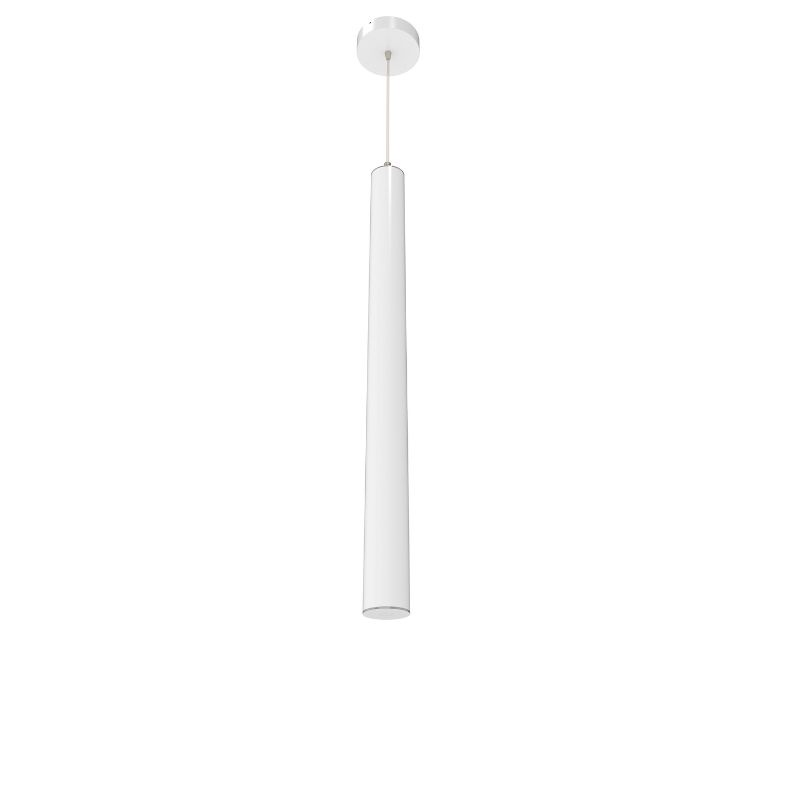
Vertical Lighting
Elongated vertical pendants and architectural tube forms that emphasize height, rhythm and identity in hospitality and high-ceiling spaces.
Explore Vertical Lighting →Form Comparison
Choose the Lighting Geometry Around the Design Intent
The best family depends on whether the fixture should create a focal point, repeat a rhythm, trace a path or become part of a larger ceiling composition.
| Lighting Family | Primary Visual Role | Typical Mounting | Common Project Areas |
|---|---|---|---|
| Pingente de Anel | Open circular focal point | Suspenso | Lobbies, conference areas, atriums |
| Pingente Redondo | Solid luminous circular form | Cable, stem or surface | Hospitality, workplace, amenity areas |
| Cylinder Lighting | Focused rhythm and vertical form | Pendant, surface or wall | Retail, corridors, entrances, open ceilings |
| Curved Linear | Soft directional path | Suspended or surface | Reception, circulation, lounges, branded spaces |
| Lighting Patterns | Integrated ceiling composition | Suspended, surface or recessed | Offices, retail, education, public interiors |
| Vertical Lighting | Height and spatial identity | Suspended or wall | Hotel lobbies, stairwells, reception spaces |
Project Configuration
Control More Than the Shape
Architectural form is only one part of the fixture specification. Coordinate mounting, optics, output, controls and finish with the ceiling conditions, electrical schedule and desired visual effect.
Commercial Applications
Lighting Forms That Support Interior Identity
Use architectural lighting forms to organize space, create recognizable focal points and coordinate illumination with the language of the interior.
Workplace
Define meeting tables, collaboration zones, circulation paths and reception areas.
e ambientes de
Create memorable compositions for lobbies, lounges, restaurants and amenity spaces.
Retail
Support branded environments, display zones and customer movement through the space.
Education and Public Space
Build clear visual landmarks and coordinated lighting across shared interiors.
Project Installation Reference
Architectural Lighting Forms in Built Commercial Environments
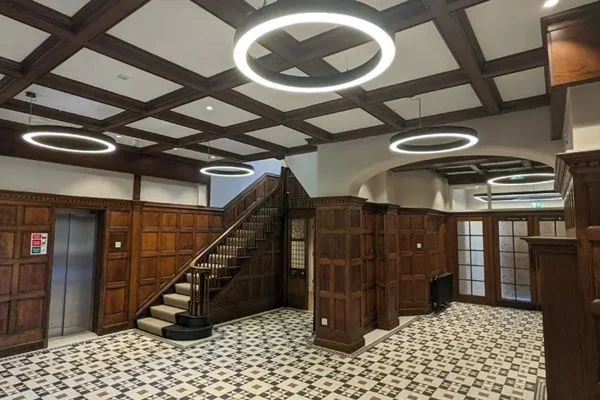
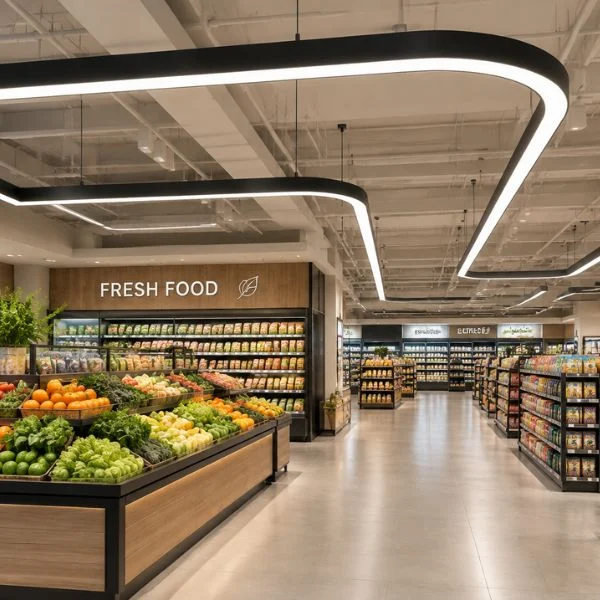
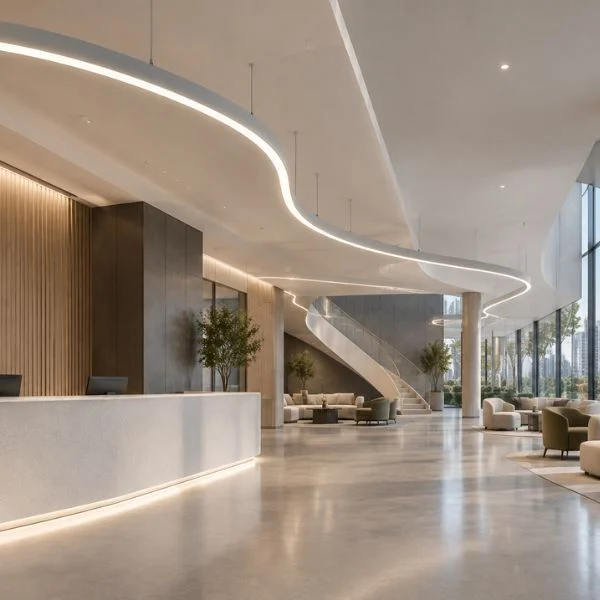
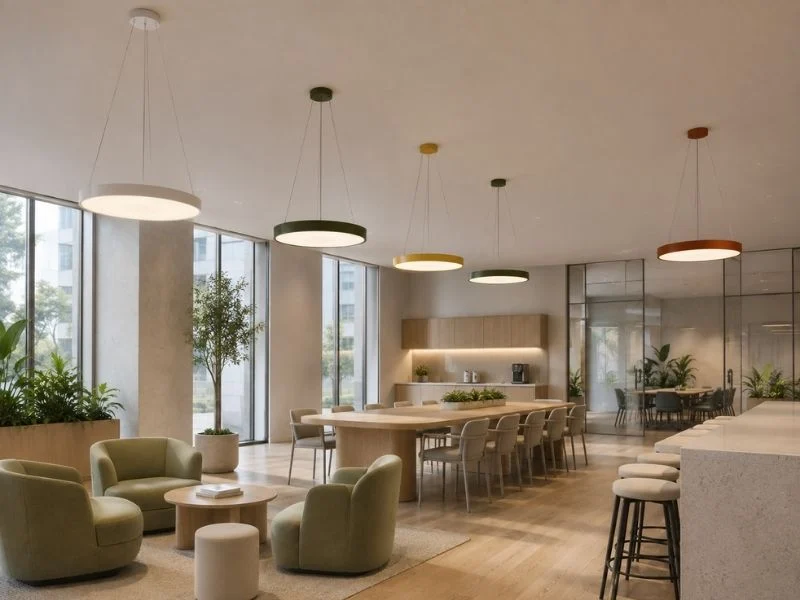
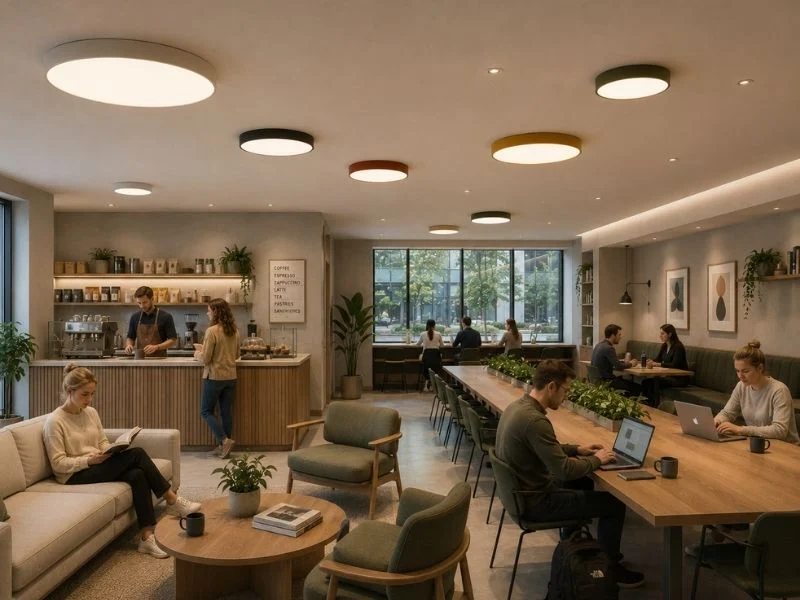
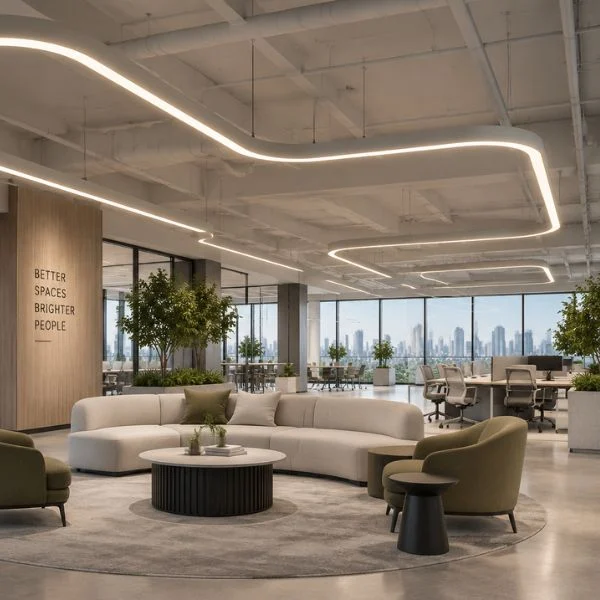
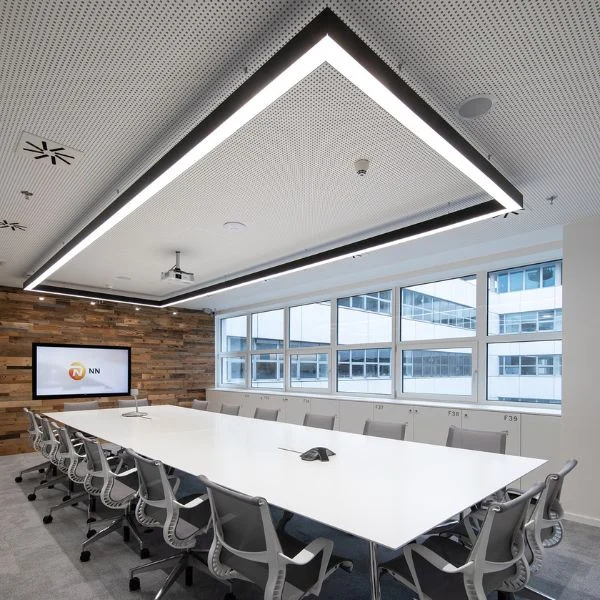
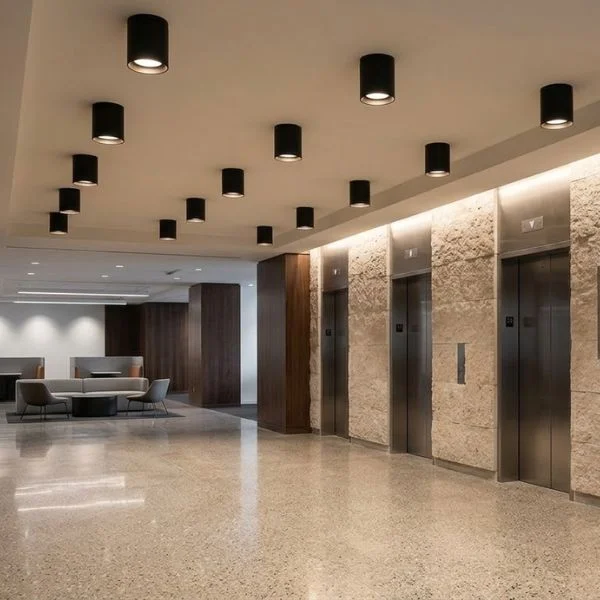
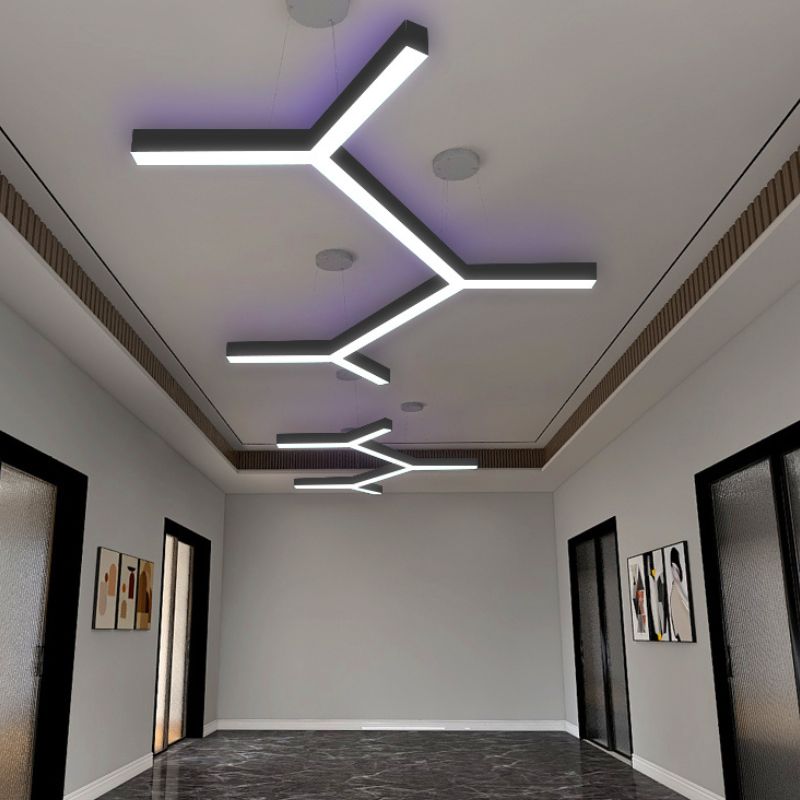
For contractors and project teams, fixture appearance is only one part of the decision. These installed references help evaluate scale, suspension, ceiling coordination, visual rhythm and the relationship between the lighting form and the surrounding architecture.
Ceiling and Mounting Review
Confirm structure, mounting points, canopy locations, suspension lengths and access conditions before fixtures are released for production.
Layout and Electrical Coordination
Use the reflected ceiling plan to coordinate fixture geometry, feed locations, circuiting, dimming and controls with the electrical contractor.
Project Delivery Planning
Provide quantities, floor or area breakdowns and required-on-site dates so samples, production releases and phased deliveries can be organized around the construction schedule.
From Concept to Quotation
Information That Helps Define an Architectural Lighting Form
Project drawings allow the selected form to be reviewed as a complete lighting system rather than an isolated decorative object.
Reference or Concept
Share a rendering, sketch, reference fixture or description of the desired visual effect.
Dimensions and Layout
Provide diameter, length, radius, mounting height and reflected ceiling plan where available.
Electrical Requirements
Confirm output, CCT, CRI, voltage, dimming, controls and certification requirements.
Quantity and Schedule
Include project quantities, sample needs, required-on-site dates and delivery phases.
Architectural Forms FAQ
Common Questions for Project Selection
Which lighting form is best for a large lobby?
Ring pendants, vertical lighting and larger cylinder compositions can create strong focal points in high-ceiling spaces. The final choice depends on ceiling height, room proportions and the desired visual character.
Can curved and straight lighting be combined?
Yes. Curved linear modules can connect with straight sections to create continuous paths, soft transitions and layouts developed around circulation or interior geometry.
What is the difference between ring and round pendant lighting?
Ring pendant lighting has an open center and a narrower circular luminous profile. Round pendant lighting uses a solid circular body with a complete luminous face for broader diffused illumination.
Can architectural lighting forms be customized?
Project-specific dimensions, finishes, suspension arrangements and configurations can be reviewed. Feasibility depends on the product family, quantity, certification and production requirements.
Have an Architectural Lighting Form in Development?
Share the concept, ceiling plan, dimensions and performance requirements for configuration and quotation support.
Discuss Your Project