
Understanding Linear Lighting for Open Offices
What are Commercial Linear Light Fixtures?
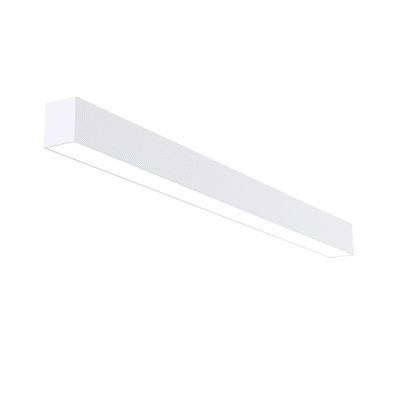
Commercial linear light fixtures are sleek, elongated lighting solutions designed specifically for large, open spaces such as offices, retail areas, and industrial settings. Unlike traditional round or square fixtures, linear lights offer a continuous, uniform glow that enhances space functionality and aesthetic appeal. These fixtures typically use LED technology for energy efficiency, long lifespan, and low maintenance. Their slim profile allows for versatile mounting options—suspended, recessed, or surface mounted—making them ideal for open office solutions where consistent, glare-free lighting is crucial.
How Proper Lighting Fosters Workplace Productivity
Lighting directly affects employees’ ability to focus, perform tasks efficiently, and maintain energy throughout the workday. Properly designed linear lighting in open office environments improves visibility by reducing harsh shadows and glare, thus creating a balanced atmosphere conducive to productivity. Uniform light distribution minimizes distractions and eye fatigue, helping workers remain alert and comfortable. Studies have shown that well-lit workspaces can boost mood and reduce absenteeism, making commercial linear light fixtures an important element in fostering a productive workplace.
Reducing Eye Strain with Human-Centric Design
Eye strain is a common issue in offices with inadequate or poorly designed lighting. Human-centric lighting focuses on mimicking natural daylight patterns and adjustable brightness levels to support workers’ circadian rhythms. Linear lighting solutions designed with dimmable features and color temperature control help reduce visual fatigue and discomfort in open office settings. By integrating smart controls and thoughtful placement, these fixtures minimize glare and flicker, ensuring the environment remains easy on the eyes—even during long work hours. This approach not only improves comfort but also enhances overall well-being and workplace satisfaction.
Key Features of Open Office Linear Lights
Continuous Run vs. Single Run Installations
Linear lighting for open office solutions typically comes in two installation types: continuous run and single run.
- Continuous run fixtures connect seamlessly across long ceilings, creating an uninterrupted line of light that evenly brightens large open spaces. This setup reduces dark spots and shadows, which is great for maintaining a consistent work environment.
- Single run installations are individual fixtures spaced apart, ideal for segmented office zones or smaller areas needing focused lighting.
| Feature | Continuous Run | Single Run |
|---|---|---|
| Light Coverage | Seamless, uniform | Targeted, spot lighting |
| Installation Flexibility | Less flexible, fixed layout | More flexible, easy to adjust |
| Ideal Use | Large open offices | Smaller or divided spaces |
Dimmable Capabilities and Smart Controls
Modern open office lighting increasingly features dimmable LEDs and smart controls. This allows:
- Adjusting brightness levels based on time of day or tasks, improving energy efficiency and comfort.
- Integration with sensors or apps to automate lighting, reducing manual control and saving energy costs.
- Enhancing the workspace’s adaptability to different needs, from focused work to meetings.
Direct and Indirect (Up/Down) Illumination
Linear fixtures can offer both direct and indirect lighting:
- Direct lighting shines light downward, creating bright, focused illumination on desks and work areas.
- Indirect (up or up/down) lighting reflects light off ceilings and walls, softening shadows and reducing glare, which helps reduce eye strain.
Balancing both types in open office solutions creates a comfortable environment, avoiding harsh contrasts and improving visual comfort throughout the day.
For office lighting projects involving ceiling types, understanding the right fixture choice helps a lot — you might find this false ceiling lights for office buying guide useful when planning installs with T-bar or drywall ceilings.
Types of Linear LED Lighting Systems
Suspended Linear Light Fixtures
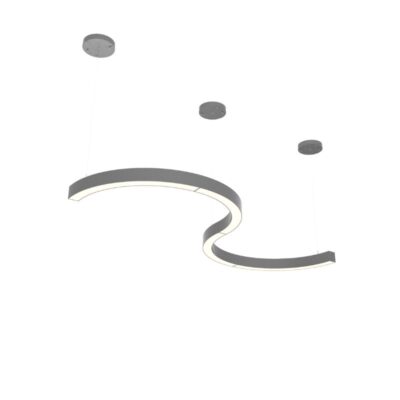
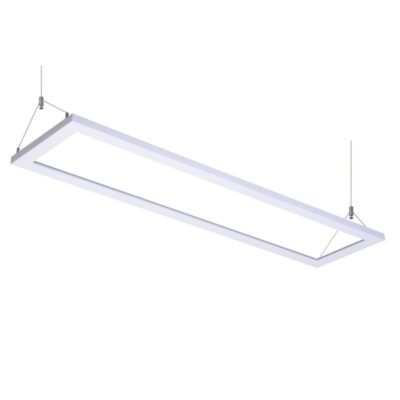
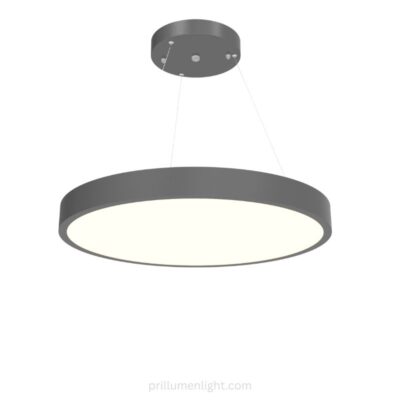
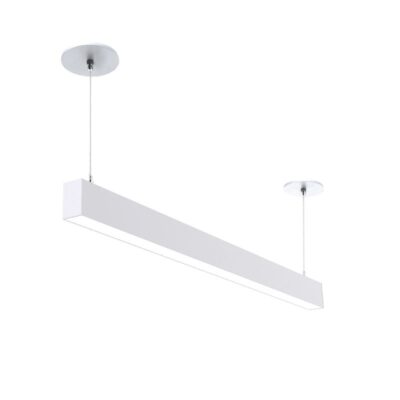
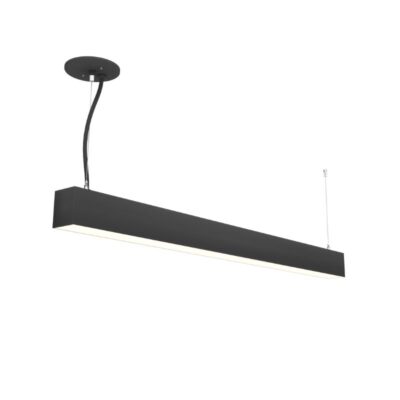
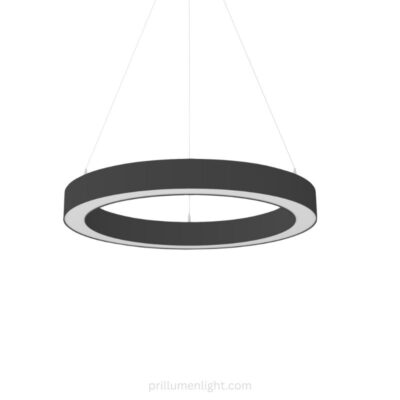
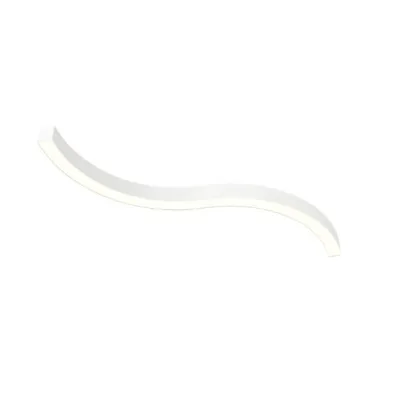
Suspended linear light fixtures hang from the ceiling, offering a modern and sleek look that suits open office solutions perfectly. These lights provide even illumination across large work areas without taking up ceiling space, making them ideal for offices with higher ceilings or industrial designs. They also work well with smart controls and dimmable features to adjust lighting based on natural light or task needs. For stylish options, consider models similar to the Arc Curved Linear Pendant Light that blend functionality and modern aesthetics.
Recessed Ceiling Linear Lights
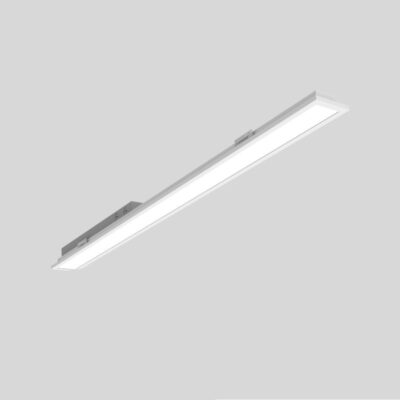
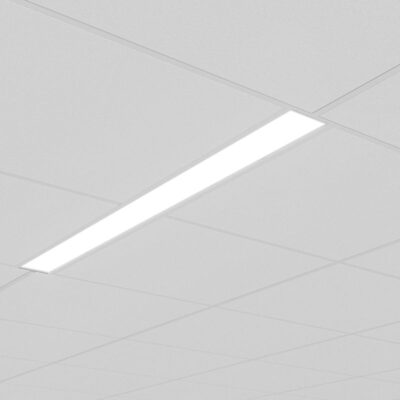
Recessed linear LED lights are installed flush with the ceiling, creating a clean, minimalist appearance that integrates smoothly into office designs. This type is excellent for maintaining a streamlined ceiling line while delivering consistent light distribution across open workstations. Recessed lights are especially effective in spaces with standard ceiling heights and T-bar ceilings, helping reduce glare and shadows, which enhances worker comfort and productivity.
Surface Mounted Linear Profiles
Surface mounted linear lighting profiles attach directly to ceilings or walls, offering flexible installation options without needing ceiling modification. They’re ideal for offices with drywall ceilings or spaces where recessed installations aren’t feasible. These fixtures can deliver both direct and indirect lighting and are often easier to upgrade or reposition as workspace layouts change. Surface mounted options are practical solutions to maintain uniform lighting across open office areas without compromising on design.
Each of these linear lighting types plays a key role in creating well-lit, comfortable workplaces that boost productivity while reducing eye strain and energy use. Choosing the right system depends on your office’s ceiling type, aesthetic preference, and lighting goals.
Essential Lighting Metrics for Workspaces
Recommended Lumens for Open Workstations
When choosing linear lighting for open office solutions, lumen output is key to ensuring the workspace is bright enough without causing glare or discomfort. Typically, open workstations need around 400 to 600 lumens per square meter (lux). This level helps maintain focus and reduces eye fatigue. For best results, opt for fixtures that provide consistent, even light distribution across the work area to avoid dark spots or overly bright patches.
Best Kelvin Color Temperature for Offices
The color temperature of linear office lighting influences mood and productivity. A range between 3500K to 4100K—neutral to cool white—is ideal. It mimics natural daylight, which helps keep employees alert and energized throughout the day. Avoid warmer tones below 3000K, as they can feel too cozy and less stimulating for a busy office environment.
Importance of High CRI in the Workplace
Color Rendering Index (CRI) measures how accurately colors appear under a light source. For open offices, choosing linear lighting with a CRI of 80 or higher is essential. High CRI lighting improves visual clarity, making computer screens and printed materials easier to read and reducing strain. It also enhances the overall appearance of the space, contributing to a more professional and welcoming environment.
For detailed tips on ensuring even light across your office, exploring linear LED lighting layout tips for office spaces can be very helpful.
Application Scenarios Beyond the Open Floor Plan
Focused Lighting for Conference Rooms
Conference rooms demand lighting that supports clear visibility for presentations and discussions without causing glare on screens. Linear lighting for open office solutions can be adapted with focused, dimmable fixtures to provide uniform, bright light that enhances concentration. Using fixtures with adjustable brightness and color temperature ensures the room suits different meeting types, from video calls to brainstorming sessions. This approach keeps participants alert and reduces fatigue during long meetings.
Welcoming Illumination for Lobbies
Lobbies set the tone for your office environment, so a warm, inviting light is essential. Linear lights featuring indirect illumination can create a soft, evenly distributed glow that makes the space feel open and hospitable. Combining surface-mounted or recessed linear fixtures, like those found in high-quality commercial linear light fixtures, helps achieve a modern look that impresses visitors. Choosing the right balance of brightness and color temperature is key to elevating your entry space’s atmosphere.
Relaxing Break Area Lighting
Break areas benefit from lighting that encourages relaxation and rejuvenation. Here, linear lighting with dimmable capabilities and indirect light options creates a calm, comfortable environment. Soft, warm light reduces eye strain and supports restful breaks, helping employees recharge. Installing adjustable fixtures enables tailoring the mood depending on the time of day and intended use of the space, ensuring the lighting works efficiently throughout. Consider integrating smart controls to optimize energy use while maintaining a soothing ambiance.
How to Choose the Right Linear Office Lighting
Matching Fixtures to Ceiling Types (T-Bar vs. Drywall)
Choosing the right linear lighting depends a lot on your ceiling type. For T-Bar ceilings, recessed linear lights fit right into the grid, offering a clean, flush look. They’re easy to install and create uniform lighting, perfect for open office solutions. For drywall or plaster ceilings, surface-mounted or suspended linear fixtures usually work better. These can hang or mount directly onto the ceiling surface without needing a grid.
| Ceiling Type | Best Linear Lighting Option | Benefits |
|---|---|---|
| T-Bar Ceiling | Recessed linear lights | Seamless integration, clean look |
| Drywall | Surface mounted or suspended fixtures | Flexible placement, modern style |
For more specialized ceiling applications, consider acoustic linear lighting that helps reduce noise while optimizing light, which can be crucial in open offices.
Planning Layouts for Uniform Light Distribution
Proper layout is key to avoid dark spots and minimize glare in open offices. Continuous runs of linear lighting often work best, providing even illumination across large workspaces. When designing the layout:
- Plan for consistent spacing between fixtures.
- Use a mix of direct and indirect lighting to balance brightness.
- Avoid placing lights directly in workers’ line of sight to reduce eye strain.
Remember, smart controls and dimmable features also allow you to adjust light levels throughout the day to match natural light and reduce energy costs.
Evaluating Driver Options and Affordability
The driver powers the LED linear light, and choosing the right one impacts both performance and cost. Look for drivers that offer:
- Dimmability to integrate with smart office systems.
- Energy efficiency certifications like ENERGY STAR.
- Longevity to reduce maintenance costs.