

Understanding Recessed Architecture and Design
Defining Recessed Elements in Modern Design
Recessed architecture focuses on the seamless integration of functional elements into the building’s fabric. In the context of professional lighting, this means utilizing fixtures that merge perfectly with the ceiling plane to maintain a minimalist aesthetic. Rather than treating lighting as an add-on, we view it as a core component of the structure. Our approach prioritizes precision and performance, ensuring that downlights and linear systems provide illumination without disrupting the visual lines of a space.
The Evolution of “Hidden” Architectural Features
The demand for clean lines has driven the shift from bulky, surface-mounted fixtures to sophisticated Trimless (mud-in) solutions. Modern architectural lighting has evolved to offer:
- Invisible Integration: Fixtures that are mudded directly into the drywall for a flush finish.
- Modular Components: Tool-free maintenance systems that allow for site adjustments without damaging the ceiling.
- Robust Build Quality: Use of die-cast aluminum housings for durability and effective heat dissipation.
How Recessed Design Impacts Spatial Perception
Properly executed recessed design alters how a volume is perceived by manipulating light and shadow. By utilizing advanced glare control and engineered optics with Low UGR, we minimize visual discomfort, making the light source itself nearly imperceptible. This technique draws the eye to the architecture and interior details rather than the ceiling hardware. Furthermore, utilizing light sources with a High Color Rendering Index (CRI >90) ensures that architectural finishes and textures are revealed in their true colors, enhancing the feeling of spaciousness and luxury.
Key Benefits of Recessed Design Solutions
Seamless Aesthetic Integration and Minimalism
When we approach architectural lighting, the goal is often to make the fixture disappear, leaving only the effect of the light itself. Recessed architecture supports a minimalist aesthetic by eliminating bulky hardware that distracts from the interior design. We offer both **Trim** and **Trimless (mud-in)** options to suit different finish levels. A trimless installation allows the drywall to be plastered right up to the aperture, creating a completely flush, “invisible” look. This is particularly effective when using **recessed linear lights** to create continuous, uninterrupted lines of illumination that merge perfectly with the building’s structure.
Maximizing Spatial Efficiency in Small Areas
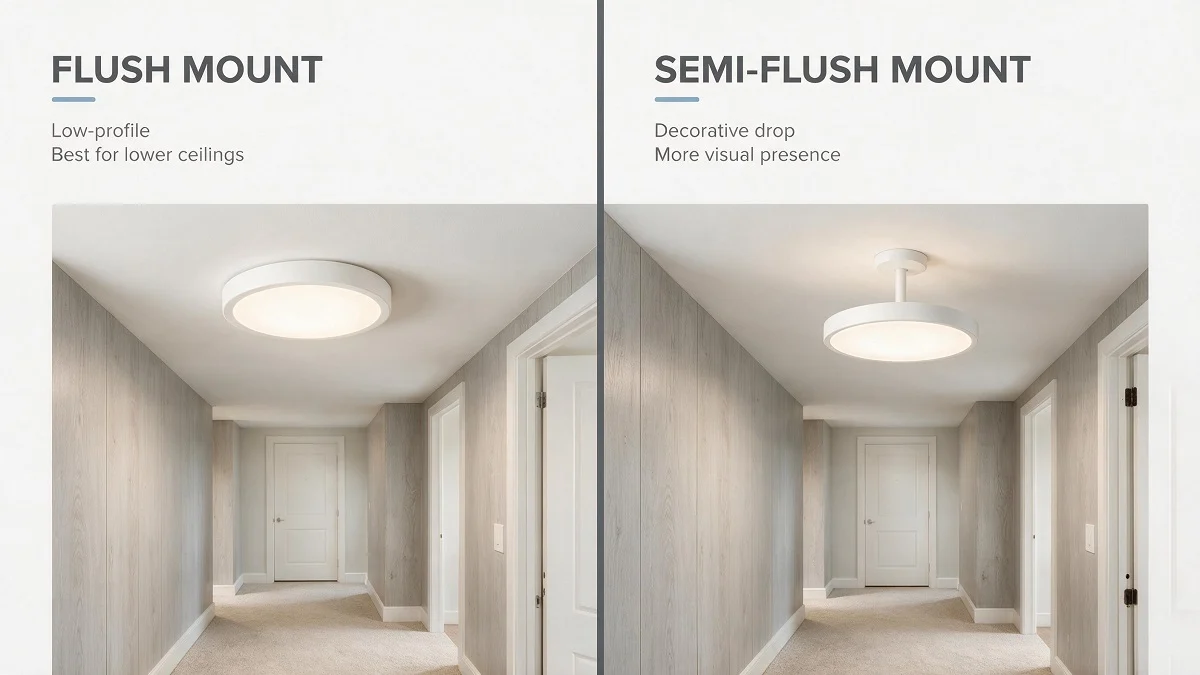
In environments where ceiling height is limited or square footage is at a premium, protruding fixtures can make a room feel smaller and more cluttered. Recessed solutions sit flush with the ceiling plane, preserving vertical headroom and maintaining clear sightlines. By integrating the light engine into the ceiling cavity, we maximize the perceived volume of the space. Our housings are engineered with **die-cast aluminum** to be compact and durable, ensuring they fit within standard architectural plenums while effectively managing thermal output without requiring excessive clearance.
Reducing Visual Clutter and Enhancing Flow
Visual comfort is a critical component of high-end recessed architecture. Standard lighting often creates “visual noise” through excessive glare. We prioritize **Low UGR (Unified Glare Rating)** in our designs by using deep-regressed optics. This means the actual light source is set back deep into the housing, so you don’t see the glare unless you are standing directly beneath it. This reduction in visual clutter allows the eye to travel smoothly across the room, highlighting textures and architectural forms rather than the fixtures themselves.
| Feature | Impact on Design |
|---|---|
| Deep Regressed Optics | Hides the light source to reduce glare and eye strain. |
| High CRI (>90) | Renders true colors, reducing the “muddy” look of poor lighting. |
| Modular Components | Allows for tool-free maintenance without damaging the ceiling finish. |
Primary Types of Recessed Architectural Elements
Architectural Recessed Lighting Systems
When we talk about recessed architecture, lighting is often the most critical component. The goal is to deliver high-performance illumination while keeping the ceiling plane as clean as possible. We focus on “Precision and Performance,” offering systems that integrate seamlessly into the drywall.
- Recessed Downlights: These are the workhorses of architectural lighting. We offer both Trim and Trimless (mud-in) options. The trimless variety allows the fixture to be plastered directly into the ceiling, leaving only the aperture visible for a truly minimalist aesthetic.
- Linear Systems: These fixtures create continuous lines of light, perfect for guiding movement through a space. You can learn more about choosing linear LED lighting for high-impact spaces to understand how these systems define architectural volumes.
- Wall Washers: Instead of pointing light down, these recessed fixtures push light onto vertical surfaces, making rooms feel larger and highlighting textures.
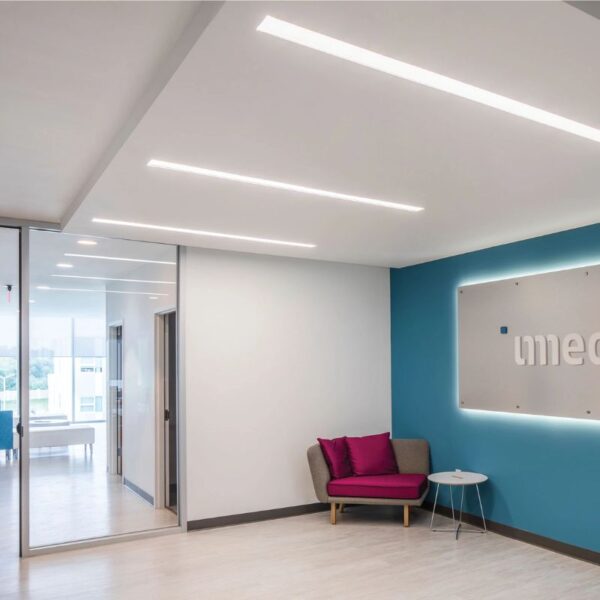
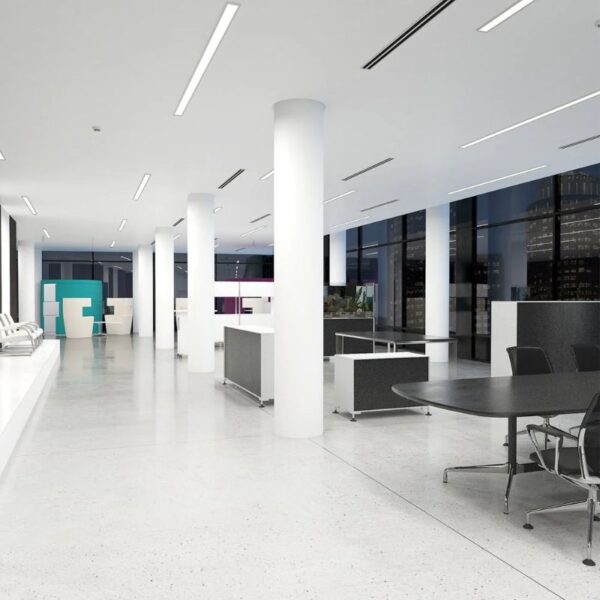
Our fixtures prioritize High CRI (>90) for accurate color rendering and use advanced optics to ensure Low UGR (glare reduction), ensuring the light is comfortable even when the source is hidden.
Integrated Built-in Storage and Shelving
Recessed storage moves beyond simple utility; it is a design strategy to maintain flush surfaces and reduce visual noise. By pushing cabinetry and shelving into the wall cavity, we eliminate protruding furniture that disrupts the flow of a room.
This approach also creates perfect opportunities for integrated lighting. Recessed niches are ideal locations for installing low-profile linear LED strips or small aperture accent lights. This turns storage areas into focal points, using light to highlight displayed art or architectural details without requiring bulky external fixtures.
Hidden Audio Systems and Smart Technology
In modern luxury environments, technology should be experienced, not seen. Recessed audio and smart controls are designed to mirror the aesthetic of architectural lighting.
- Aperture Matching: High-end architectural speakers often match the size and shape (round or square) of recessed downlights, creating a consistent “ceiling landscape” where every element aligns.
- Flush Sensors: Motion and daylight sensors for lighting control are now available in flush-mount designs.
- Mud-in Components: Just like our trimless lighting, many smart home devices can be mudded into the wall or ceiling, leaving only a discreet opening for operation.
Integrating these elements requires careful planning during the framing stage to ensure all housings—whether for light, sound, or sensors—clear the structural framing and HVAC lines.
Technical Design Considerations for Seamless Integration
Achieving a flawless look with recessed architecture isn’t just about picking a fixture; it requires precise engineering and coordination with the building’s structure. We focus on “Precision and Performance” to ensure that the lighting integrates physically and visually into the ceiling, rather than just sitting on top of it.
Structural Requirements and Mounting Methods
The most critical factor in recessed lighting is the plenum space—the depth available above the ceiling line. Our professional-grade systems are designed to maximize performance even in constrained spaces, but planning for the housing depth is non-negotiable.
We offer two primary mounting styles to suit different architectural visions:
- Trim: Features a visible bezel that covers the cut-out edge. This is easier to install and allows for slight irregularities in the ceiling cut.
- Trimless (Mud-in): The housing is plastered directly into the ceiling for a completely seamless, “invisible” finish. This requires precise installation
The Role of Lighting in Recessed Architecture
Lighting is the backbone of successful recessed architecture. It transforms static physical structures into dynamic environments. We don’t just install lights; we integrate luminous elements that define the volume and mood of a room without cluttering the ceiling plane.
Linear and Cove Lighting in Soft Architecture
In modern design, we often refer to lighting as “soft architecture.” This is where linear systems and cove lighting come into play. Instead of relying solely on point sources like downlights, we use linear profiles to outline perimeters, create floating ceiling effects, or guide movement through a corridor.
Key advantages of linear integration include:
- Visual Continuity: Continuous runs of light without dark spots, achieved through high-quality COB LEDs.
- Space Definition: Using light to visually expand narrow hallways or lower high ceilings.
- Minimal Intrusion: The fixture hardware disappears, leaving only the effect of the light.
For commercial applications, understanding how to lay out these systems is critical. You can explore our definitive guide to recessed office lighting to see how linear elements function in professional workspaces.
Understanding IP Ratings and Zoning for Wet Areas
When extending recessed architecture into bathrooms, spas, or exterior soffits, technical specifications become strictly about safety and longevity. In the US market, adhering to local codes regarding IP (Ingress Protection) ratings is mandatory.
- Dry Locations (IP20): Suitable for general living areas and offices.
- Damp Locations: Required for bathrooms (outside shower zones) and covered patios.
- Wet Locations (IP65+): Essential for showers or areas directly exposed to rain.
We utilize die-cast aluminum housings in our fixtures. This material selection is crucial not just for durability, but for preventing corrosion in humid environments while maintaining effective thermal management.
The Importance of Dimming and Smart Control Integration
A recessed system is only as good as its control. High-end architectural lighting requires precise dimming capabilities to alter the atmosphere of a space. We engineer our drivers to be compatible with the major protocols used in North American construction:
- 0-10V Dimming: The standard for commercial spaces, offering smooth, flicker-free reduction in light output.
- DALI: Allows for digital addressable control, perfect for complex systems where individual fixture control is needed.
- Triac/Phase-Cut: Often found in residential retrofits.
Proper integration ensures that when you dim a light, it maintains a stable Color Rendering Index (CRI >90) and doesn’t shift in color temperature unexpectedly. If you have specific technical questions about driver compatibility, our architectural lighting FAQ covers many of these integration details.
Strategic Application Across Different Environments
When compiling this recessed architecture buying guide, I always emphasize that context is everything. A solution that works perfectly in a high-end boutique might feel cold in a master bedroom. Understanding how to apply these “hidden” elements strategically ensures you get the functionality you need without sacrificing the atmosphere of the space.
Residential Interiors: Kitchens, Living Rooms, and Bedrooms
In modern American homes, particularly those with open floor plans, recessed design is the secret to defining zones without building walls. We want our spaces to feel expansive yet organized.
- Kitchens: This is the workhorse of the home. Here, recessed lighting isn’t just aesthetic; it’s safety equipment. I recommend positioning recessed downlights directly over countertops to eliminate shadows while chopping.
- Living Rooms: We focus on mood here. Recessed architectural slots can hide HVAC vents and curtain tracks, keeping the ceiling plane uninterrupted. For geometric ceiling designs, integrating an L-shape modular linear light allows you to follow the room’s corners seamlessly, providing continuous illumination that enhances the architectural flow.
- Bedrooms: Avoid direct downlights over the bed. Instead, use recessed cove lighting or perimeter slots to wash the walls with soft light, creating a relaxing retreat.
Commercial Spaces: Offices, Retail, and Hospitality
In commercial environments, the goal shifts toward productivity, branding, and customer experience. Recessed elements are crucial here because they reduce visual noise, allowing the focus to remain on the work or the merchandise.
Application Strategy by Sector:
| Sector | Primary Goal | Recommended Recessed Application |
|---|---|---|
| Corporate Offices | Productivity & Focus | Recessed linear troffers for even, glare-free light; hidden acoustic panels to dampen sound. |
| Retail Stores | Product Highlighting | Adjustable recessed accents (gimbals) to direct focus onto merchandise displays without cluttering the ceiling. |
| Hospitality | Atmosphere & Comfort | Deep-recessed fixtures with “warm dim” technology to transition from day service to evening ambiance. |
Public Infrastructure and Gallery Spaces
Public spaces and galleries demand the highest level of integration. In a gallery, the architecture must recede completely to let the art speak. We use trimless recessed wall washers to evenly illuminate display surfaces without creating “hot spots” or visible fixture glare.
For infrastructure like airports or transit hubs, recessed architecture serves a navigational purpose. Long, continuous runs of recessed linear lighting act as subconscious wayfinding tools, guiding foot traffic through corridors and toward exits. Durability is key here; the fixtures must be robust enough to run 24/7 while remaining accessible for maintenance without damaging the surrounding drywall or ceiling systems.
How to Choose the Right Recessed Solutions
Selecting the correct recessed architecture components isn’t just about picking a style; it’s about matching engineering to the specific physical constraints of your building. We focus on ensuring that the hardware we supply integrates logically with the built environment, balancing visual minimalism with high-output performance.
Assessing Space Geometry and Ceiling Heights
The physical dimensions of a room dictate the technical specifications of the lighting required. Ceiling height is the primary factor in determining beam angle and lumen output. In spaces with standard ceiling heights (8 to 9 feet), a wider beam spread (typically 40° to 50°+) creates uniform coverage without hot spots.
For high-ceiling environments, such as commercial lobbies or double-height living rooms, we utilize narrow beam angles (around 15° to 24°). This ensures the light punches through the distance to reach the working plane effectively. You can browse our range of architectural lighting products to find specific optics that match your spatial requirements.
Beam Angle Guide:
- 15° – 24° (Spot): Best for accenting art or high ceilings (>12 ft).
- 30° – 40° (Flood): Ideal for general lighting in 10-12 ft ceilings.
- 50°+ (Wide Flood): Standard for general residential illumination (8-9 ft).
Selecting Shapes, Trim Styles, and Orientations
The aesthetic success of recessed architecture depends on how the fixture meets the ceiling plane. We offer distinct options to align with different architectural visions:
- Aperture Shape: Square fixtures generally complement modern, linear architecture with hard edges. Round fixtures are versatile and blend better with organic or traditional design elements.
- Trim vs. Trimless:
- Trimless (Mud-in): This is the preferred choice for a minimalist, high-end look. The frame is plastered into the drywall, leaving only the aperture visible. It requires precise installation but offers the cleanest finish.
- Trimmed: Uses a visible bezel to cover the cut-out edge. This is easier to install and maintain, making it a practical choice for retrofits or drop ceilings.
- Adjustability: Fixed downlights provide consistent ambient light, while adjustable (tilt/rotate) modules allow you to direct light toward walls or artwork, functioning as accents.
Evaluating Performance Metrics: CRI, CCT, and Lumen Output
Performance metrics define the quality of the environment. We prioritize High CRI (Color Rendering Index) sources, typically CRI >90. This ensures that finishes, fabrics, and merchandise appear true to life, which is critical in luxury residential and retail applications.
Key Performance Indicators:
| Metric | Recommendation | Application |
|---|---|---|
| CRI | >90 | Essential for high-end interiors to ensure accurate color representation. |
| CCT (Color Temp) | 2700K – 3000K | Warm light for hospitality and residential living areas. |
| CCT (Color Temp) | 4000K | Neutral white for offices, commercial retail, and task areas. |
| Glare (UGR) | Low UGR | Deep recessed engines minimize visual discomfort and eye strain. |
We also emphasize thermal management in our selection process. Our fixtures utilize die-cast aluminum heat sinks to maintain LED longevity and stability, ensuring the lumen output remains consistent over years of operation.
Inspirational Examples of Recessed Design in Modern Projects
When compiling a recessed architecture buying guide, looking at real-world applications helps visualize the impact of “invisible” lighting. The most successful projects don’t just hide the fixture; they use light to define the volume of the room. Whether it is a high-end retail space or a private residence, the goal remains the same: Precision and Performance without visual clutter.
Iconic Museum and Gallery Installations
Museums and galleries are the ultimate testing ground for architectural lighting. Here, the priority is high color fidelity and beam precision. We often see the use of High CRI (>90) COB LEDs to ensure artwork is seen exactly as the artist intended.
- Glare Control: Deep-recessed engines prevent the light source from distracting visitors.
- Precision Optics: Narrow spot beams (15°) highlight sculptures, while wide floods wash walls evenly.
- Visual Comfort: Low UGR (Unified Glare Rating) ensures the space feels soft and welcoming.
In these environments, lighting serves the architecture. For similar commercial applications requiring high-contrast and focused illumination, reviewing a professional guide to retail linear LED lighting can provide insight into how linear systems integrate with recessed spots to create hierarchy in a space.
Minimalist Residential Masterpieces
In luxury residential design, the “Trimless” or mud-in installation is the gold standard. This technique eliminates the visible bezel, allowing the light aperture to blend seamlessly into the drywall. It creates a clean, uninterrupted ceiling plane that is essential for modern minimalism.
Key elements in these projects include:
- Warmth: Utilization of 2700K or 3000K color temperatures to create a cozy atmosphere.
- Flexibility: Adjustable gimbal fixtures that allow homeowners to redirect light onto artwork or furniture as layouts change.
- Dimming: Integration with 0-10V or Phase-cut dimming systems to alter the mood from bright task lighting to soft ambient glow.
Future Trends: Sustainable Materials and Customizable Solutions
The future of recessed architecture lies in modularity and thermal efficiency. We are moving away from disposable fixtures toward systems designed for longevity.
- Thermal Management: Die-cast aluminum housings with integrated heat sinks ensure LED stability and a longer lifespan.
- Tool-Free Maintenance: Modular designs allow for component replacement without damaging the ceiling.
- Customization: The ability to swap beam angles and drivers on-site ensures the lighting can adapt to the evolving needs of the building.
STAY IN THE LOOP
Subscribe to our free newsletter.
Leave A Comment
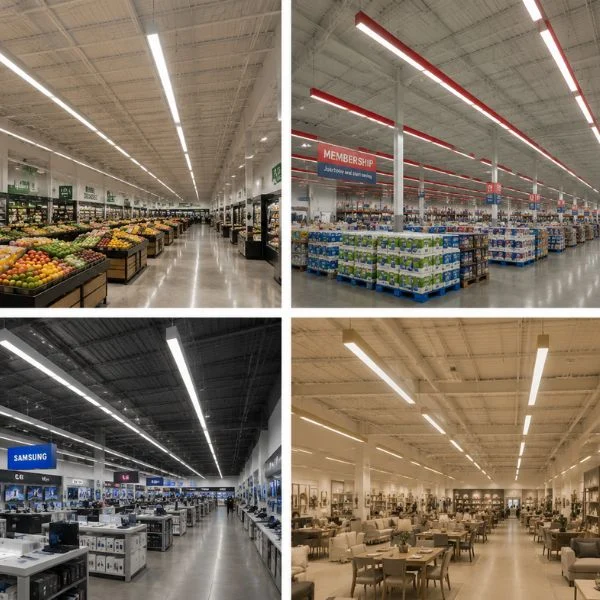
Retrofit LED Lighting Solutions Are soaring energy bills, relentless ballast [...]

Struggling to cut operational costs while upgrading your facility’s lighting [...]
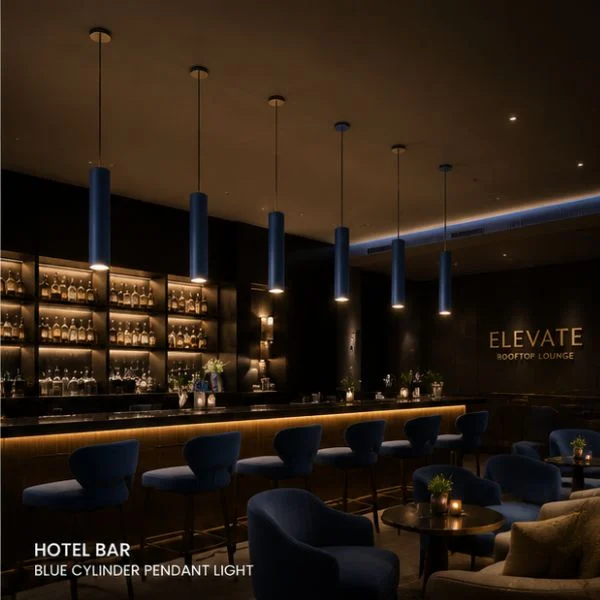
The Financial & Operational Business Case Upgrading to energy efficient [...]
Are you worried about overhead head clearance, or tired of [...]