

The Essentials of Architectural Wall Sconces
Architectural wall sconces represent the intersection where structural design meets advanced illumination. Unlike decorative fixtures that prioritize ornamentation over output, architectural lighting focuses on the interaction between the fixture, the light it produces, and the surrounding architecture. We design these elements to function as integral parts of the building’s character, providing a seamless transition from the physical structure to the visual atmosphere.
Balancing Aesthetic Appeal and Functionality
True architectural lighting demands that a fixture looks as sophisticated when turned off as it does when illuminated. We adhere to a “less is more” philosophy, utilizing clean lines and minimalist forms that complement rather than clutter a space.
- Material Integrity: We utilize high-grade aluminum and brass to ensure the housing provides necessary heat dissipation while maintaining a luxury finish.
- Visual Comfort: High-quality acrylic diffusers are essential to soften LED output, preventing glare while maintaining high lumen efficiency.
- Dual Purpose: The fixture serves as a sculptural element during the day and a primary or accent light source at night.
The Role of Sconces in Modern Interior Design
In contemporary spaces, wall sconces have evolved from simple utility lights to tools for spatial definition. By manipulating the placement and orientation of linear wall lights, designers can alter the perceived dimensions of a room.
- Vertical Orientation: Installing long linear sconces vertically draws the eye upward, effectively raising the perceived ceiling height in living rooms or hallways.
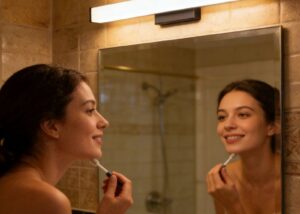
- Horizontal Balance: Placing fixtures horizontally above mirrors or artwork creates visual symmetry and provides uniform task lighting for vanity areas.
- Texture Highlighting: Ideally positioned architectural sconces graze wall surfaces, accentuating the textures of stone, wood, or concrete panels.
Key Differences Between Architectural and Standard Lighting
Understanding the distinction between standard consumer-grade fixtures and architectural-grade lighting is critical for long-term satisfaction and performance. Architectural solutions are engineered for longevity, precise control, and integration.
| Feature | Standard Lighting | Architectural Wall Sconces |
|---|---|---|
| Light Source | Replaceable bulbs (E26/E12) | Integrated LED Chips (Optimized for form) |
| Lifespan | 1,000 – 15,000 hours | 50,000+ hours (Maintenance-free) |
| Build Quality | Stamped steel or plastic | Extruded Aluminum or Solid Brass |
| Light Effect | General, often uneven wash | Controlled diffusion, shadow-free illumination |
| Durability | Indoor use mostly | Often IP65 Rated for indoor/outdoor versatility |
Core Features and Advanced Lighting Technologies
Energy-Efficient LED Integration
We have moved far beyond the days of changing incandescent bulbs every few months. The standard for high-end architectural wall sconces is now fully integrated LED technology. This isn’t just about lowering energy bills; it is about performance and form factor. By using compact, high-grade LED chips, we can design ultra-slim, minimalist fixtures that wouldn’t be possible with bulky traditional sockets.
Our integrated LEDs are rated for a lifespan of 50,000+ hours, meaning these fixtures are built to last for years without maintenance. They deliver high-lumen output while generating minimal heat, protecting the finish of the fixture and the wall behind it.
Benefits of Integrated LEDs:
- Longevity: 50,000+ hour operational life.
- Efficiency: High brightness with low power consumption.
- Design: Enables sleek, linear, and low-profile shapes.
Direct, Indirect, and Bi-Directional Illumination
Selecting the right light direction is critical for defining the mood and utility of a space. Architectural lighting isn’t just about illumination; it is about how the light interacts with the structure of your home.
- Direct Lighting: Casts light downward. This is essential for task areas, such as over a bathroom vanity or next to a reading chair, providing clarity where you need it most.
- Indirect Lighting: Casts light upward toward the ceiling. This technique makes rooms feel taller and provides a soft, ambient glow that reduces glare.
- Bi-Directional Lighting: A versatile direct-indirect wall light emits light both up and down. This is the preferred choice for highlighting wall textures, such as stone veneer or wood paneling, creating a dramatic architectural effect.
Advanced Dimming and Color Control Systems
Modern spaces require adaptability. The “temperature” of your light—measured in Kelvin (K)—drastically changes the perception of a room. We engineer our fixtures to support various color temperatures to match the function of the room.
| Color Temperature | Best Application | Effect |
|---|---|---|
| Warm White (3000K) | Living Rooms, Bedrooms | Creates a cozy, relaxing, and inviting atmosphere. |
| Neutral White (4000K) | Hallways, Kitchens | A balance between comfort and clarity; mimics natural daylight. |
| Cool White (6000K) | Bathrooms, Offices | Crisp, clean light that maximizes visibility for tasks. |
Furthermore, our architectural sconces feature universal voltage compatibility (110V-240V), ensuring they integrate smoothly into standard US electrical systems without the need for complex external drivers or transformers.
Popular Architectural Styles and Geometric Shapes
When selecting architectural wall lighting, the physical form of the fixture is just as critical as the light it emits. We focus on shapes that complement the structural lines of a building rather than competing with them. In modern American design, the trend has shifted heavily toward minimalism, where the fixture acts as a seamless extension of the architecture itself.
Linear and Low-Profile Modern Designs
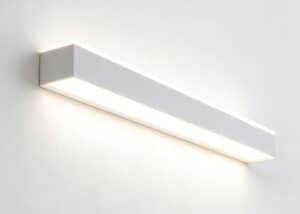
Modern linear sconces are the cornerstone of contemporary lighting design. We prioritize slim, elongated profiles that hug the wall, making them an excellent choice for narrow hallways or high-traffic areas where space is at a premium. By installing these vertically, you can visually raise the ceiling height, while horizontal placement helps widen a room.
- Minimal Intrusion: Low-profile designs ensure the fixture doesn’t protrude awkwardly into the walkway.
- Versatile Orientation: These can often be mounted vertically or horizontally depending on the needs of the space.
- Clean Aesthetics: The “less is more” philosophy drives these designs, focusing on pure light output rather than ornate decoration.
Geometric Precision: Cubes, Wedges, and Rectangles
For spaces that require a stronger visual anchor, we utilize sharp geometric forms. Fixtures with distinct edges—like cubes and rectangles—align perfectly with other architectural elements such as door frames, columns, and window casings. We use high-grade aluminum in these designs to ensure the edges remain crisp and durable over time.
- Cubes: Ideal for creating repetitive lighting patterns down a long corridor or exterior facade.
- Rectangles: Provide a larger surface area for light diffusion, often used to wash larger sections of a wall.
- Wedges: Direct light specifically (usually downward) to highlight texture on stone or brick walls without creating glare.
Curved Profiles: Cylinders and Half-Cylinder Sconces
While straight lines define modern architecture, sometimes a space needs to be softened. Curved profiles offer a necessary contrast to the rigid angles of a room. Cylindrical and half-round sconces disperse light in a wider, softer gradient compared to the sharp cut-off of a square fixture. For those looking to introduce fluid movement into a rigid design scheme, our surface mounted curved linear fixtures provide a unique way to break up hard lines while maintaining a sophisticated, architectural look. These shapes are particularly effective in bathrooms and vanity areas where softer, shadow-free lighting is preferred.
Durable Materials and Custom Finishes
Choosing the right material isn’t just about looks; it determines how long your fixture lasts and how well it handles heat. We prioritize materials that balance structural integrity with thermal management to ensure our LED systems perform reliably for years.
Architectural Metals: Aluminum, Brass, and Steel
The core of a high-performance sconce is its chassis. We rely heavily on high-grade aluminum for our modern fixtures because it acts as an exceptional heat sink. This pulls heat away from the LED chips, extending their lifespan significantly compared to steel or plastic alternatives. For spaces requiring a more decorative touch, we utilize brass accents to provide a premium, timeless aesthetic without sacrificing durability. These metals are sturdy enough to support sophisticated indirect wall lighting applications where the fixture itself becomes a part of the architecture.
- Aluminum: Lightweight, corrosion-resistant, and excellent for thermal management.
- Brass: Heavy, luxurious feel, ideal for decorative indoor accents.
- Steel: Strong and rigid, often used for mounting brackets and internal structural components.
Acrylic, Glass, and Specialized Diffuser Options
The lens material dictates the quality of light distribution. We use optical-grade acrylic for many of our linear designs because it offers superior durability compared to glass and resists shattering. High-quality acrylic diffusers are essential for creating that seamless, “dot-free” line of light that defines minimalist design. They soften the high-lumen output of the LEDs, ensuring the illumination is comfortable for the eyes while maintaining high transmission efficiency.
Weather-Resistant Finishes for Longevity
When installing architectural lighting outdoors, the finish is your first line of defense against the elements. Our outdoor-rated fixtures feature IP65 ratings, ensuring they are sealed tight against dust and water. We apply advanced powder-coated finishes that resist fading from UV exposure and prevent corrosion from moisture. Whether you are lighting a coastal home or a commercial exterior, selecting proper wet location lighting ensures your investment withstands rain, snow, and humidity.
Material Selection Guide:
| Material Component | Recommended Feature | Benefit |
|---|---|---|
| Housing | Die-Cast Aluminum | Optimal heat dissipation for LEDs |
| Diffuser | Frosted Acrylic | Uniform light without glare or hot spots |
| Finish | Powder Coat | UV and rust resistance for outdoors |
| Hardware | Stainless Steel | Prevents rust streaks on mounting surfaces |
Versatile Application Scenarios for Wall Lighting
Architectural wall sconces are no longer just background players; they define the structure and mood of a space. We design our fixtures to bridge the gap between pure utility and high-end design, ensuring they perform equally well in a busy hotel lobby or a quiet residential reading nook. By focusing on minimalist forms, we allow the light itself to become the architectural feature.
Enhancing Commercial and Hospitality Spaces
In commercial environments, lighting sets the tone for the customer experience. Our modern linear fixtures are frequently used in hospitality settings to create a sense of sophistication and order. The clean lines of a matte black or brushed gold sconce convey a premium feel that aligns with upscale branding.
- Lobbies and Reception Areas: Use vertical linear lights to accentuate ceiling height and create a welcoming, open atmosphere.
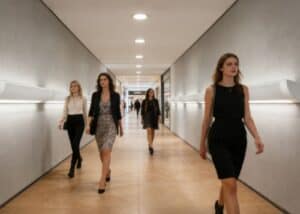
- Corridors: Repeat geometric sconces at regular intervals to provide rhythm and reliable wayfinding without visual clutter.
- Durability: We utilize high-grade aluminum and acrylic to ensure these fixtures withstand the rigors of high-traffic commercial use while maintaining their aesthetic appeal.
Residential Living Areas and Hallway Accents
For the home, the focus shifts to comfort and versatility. In living rooms and bedrooms, we recommend fixtures with a warm white (3000K) temperature to foster relaxation. Architectural sconces serve a dual purpose here: they provide necessary ambient light while acting as modern art pieces on the wall.
Hallways and bathrooms benefit significantly from the slim profile of our designs. A vertical architectural bar mounted alongside a mirror provides shadow-free vanity lighting, vastly superior to overhead cans. In narrow hallways, these low-profile fixtures add illumination without encroaching on walking space, proving that architectural wall sconces can solve spatial challenges while elevating the interior design.
Specialized Outdoor and Turtle-Friendly Solutions
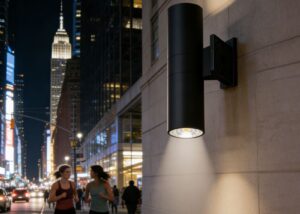
When taking architectural lighting outside, resilience is the top priority. Our exterior lighting collection is engineered with IP65 ratings, ensuring complete protection against water and dust intrusion. This makes them ideal for framing entryways, illuminating patios, or highlighting exterior textures like stone and wood.
- Weather Resistance: High-quality powder-coated finishes prevent corrosion and fading from UV exposure.
- Controlled Illumination: Unlike floodlights, architectural sconces offer precise beam angles. This directional lighting minimizes light pollution, keeping the focus on the building’s structure rather than the surrounding sky.
- Safety and Security: Reliable LED integration ensures consistent output for pathways and perimeters, enhancing security without the harsh glare of traditional security lights.
Technical Considerations for Selection and Installation
Selecting the right architectural wall sconces goes beyond just picking a pretty design. We need to ensure the fixture physically fits the space, handles the environment, and delivers the right kind of light. I always advise clients to look at the voltage compatibility first; our fixtures support universal voltage (110V-240V), making them suitable for standard US residential and commercial grids without extra transformers.
Mounting Styles: Surface, Regressed, and Pivot Mounts
The mounting style dictates how the fixture interacts with your architecture. Surface-mounted lights are the most common and easiest to install, attaching directly to a standard junction box. This is ideal for retrofits where you don’t want to tear up drywall. For projects requiring minimal wall intrusion, our versatile surface lighting options offer a streamlined aesthetic without the complexity of deep recessed installation.
- Surface Mount: The fixture sits on top of the wall. Best for ease of installation and decorative presence.
- Regressed/Recessed: The housing is hidden within the wall. Creates a seamless, “light-from-nowhere” look but requires precise framing.
- Pivot/Adjustable: Features a movable head. Perfect for reading nooks or highlighting artwork where the focal point might change.
Determining Proper Sizing and Scale for Your Space
Scale is everything in minimalist design. A fixture that is too small looks cheap, while one that is too large feels aggressive. For linear wall lights, the length should relate to the object it illuminates. If you are placing a sconce above a bathroom vanity mirror, aim for a fixture that is roughly 75% of the mirror’s width.
Placement Guidelines:
- Height: Mount sconces approximately 60 to 66 inches from the finished floor to the center of the fixture. This keeps the light source at eye level for most people, reducing glare.
- Spacing: In hallways, space sconces 8 to 10 feet apart. This prevents the “runway effect” while maintaining consistent illumination.
- Proportion: Vertical linear sconces add perceived height to a room, while horizontal bars emphasize width and stability.
Understanding Beam Angles and Light Distribution
The way light exits the fixture defines the mood. We use high-grade acrylic diffusers to soften the output of our LED chips, ensuring the light is uniform and free of hot spots. When selecting a fixture, consider whether you need ambient glow or focused task lighting.
| Beam Type | Description | Best Application |
|---|---|---|
| Omnidirectional | Light spreads in all directions (360°). | General ambient lighting in living rooms or bedrooms. |
| Direct (Downlight) | Light is focused downward. | Task lighting over vanities or reading areas. |
| Indirect (Uplight) | Light bounces off the ceiling/wall. | Creating mood and expanding the sense of space. |
| Bi-Directional | Light shoots both up and down. | Highlighting architectural wall textures (stone, wood). |
For outdoor applications or bathrooms, always check the IP Rating. We engineer our outdoor-specific architectural bars with an IP65 rating, meaning they are dust-tight and protected against water jets, ensuring longevity even in harsh weather.
Architectural Wall Sconces Product Line
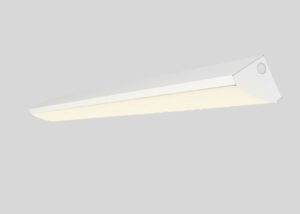
Wall Mounted Stairwell Light
Architectural Wall Mounted Stairwell Light ManufacturerThe Prillumen Wall Mounted Stairwell [...]

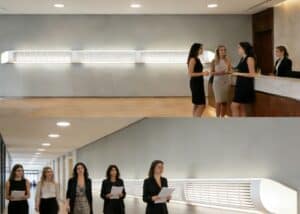
Direct Indirect Wall Light-Grille
Architectural Direct Indirect Wall Light ManufacturerIn the realm of contemporary [...]


STAY IN THE LOOP
Subscribe to our free newsletter.
Leave A Comment
Retrofit LED Lighting Solutions Are soaring energy bills, relentless ballast [...]

Struggling to cut operational costs while upgrading your facility’s lighting [...]
The Financial & Operational Business Case Upgrading to energy efficient [...]
Are you worried about overhead head clearance, or tired of [...]