
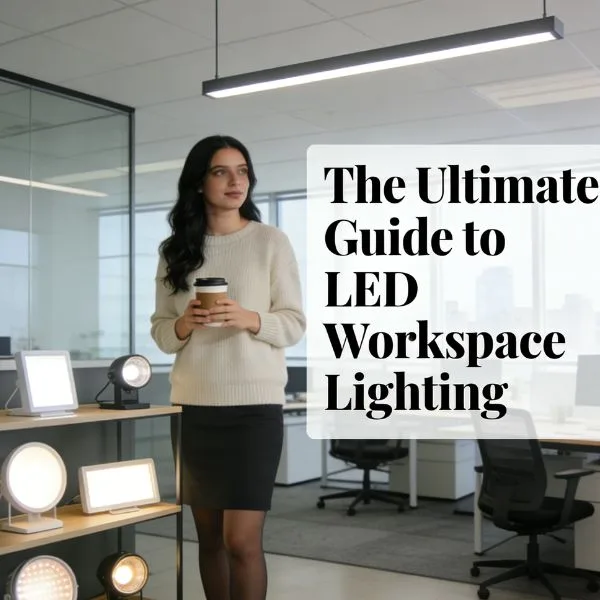
Are you struggling to find the perfect balance between visual comfort and energy efficiency in your office?
We know that LED Workspace Lighting is more than just overhead illumination—it’s a critical tool for employee well-being and operational cost savings.
As architectural lighting experts, we’ve seen firsthand how the right setup can transform a dull environment into a powerhouse of productivity.
But with endless options regarding lumens, color temperature, and glare control, making the right choice can feel overwhelming.
In this guide, you’re going to learn exactly how to design a lighting plan that reduces eye strain, maximizes your ROI, and creates a workspace where people actually want to be.
Let’s shed some light on the solution.
Why Upgrade to LED Workspace Lighting?
In my experience running a professional shop, lighting is the most underrated tool in your arsenal. We often obsess over wrenches and polishers, but if you can’t see the details, you can’t deliver perfection. Upgrading to high-performance LED workspace lighting isn’t just a cosmetic change; it is a fundamental shift in how you operate. When you install a system like our HoneyGrid or linear shop lights, you are moving away from dim, flickering tubes to a setup designed for maximum visibility and precision.
Here is why making the switch is a non-negotiable for serious garage owners and detailers:
- Enhanced Focus and Reduced Eye Strain: Working under dull, yellow light causes fatigue. Our fixtures utilize a 6500K Cool White color temperature, which mimics natural daylight. This specific spectrum keeps your mind alert and drastically reduces eye strain during long hours of intricate work.
- Superior Energy Savings and ROI: High-output LEDs are far more efficient than traditional fluorescent or HID lighting. You get ultra-brightness without the massive electric bill. Plus, with a rated lifespan of 50,000+ hours, you stop wasting money and downtime on constant bulb replacements.
- Error Reduction through Clarity: You can’t fix what you can’t see. With a high Color Rendering Index (CRI of 80+), our LEDs reveal true colors and paint imperfections that standard lights hide. This leads to fewer mistakes and a higher quality finish on every project.
- Professional Atmosphere: First impressions matter. A well-lit space with a clean, modern aesthetic—like the visual impact of a hexagonal grid—immediately signals to clients that you run a professional, high-end operation.
Understanding LED Lighting Fundamentals
To get the best results in your shop or studio, you need to move past buying bulbs based on how much power they consume. Modern workspace illumination relies on specific metrics that determine how well you can see details and how alert you feel during a long shift. Here is the breakdown of the technical specs that actually matter for professional environments.
Lumens vs. Wattage: Efficiency Over Power
For decades, we equated brightness with wattage, but that rule is obsolete with LED technology. Wattage only tells you how much energy a fixture draws, not how much light it produces. In a professional setting, you need to focus on lumens—the actual measure of visible light output.
- Wattage: Energy consumption (Lower is better for your electric bill).
- Lumens: Brightness output (Higher is generally better for detailed tasks).
- Efficacy: The ratio of lumens to watts.
Our high-performance fixtures are engineered to deliver maximum brightness with minimal power draw. By prioritizing lumens for office and workshop environments, we ensure you get the intensity needed for precision work without the heavy overhead costs associated with traditional lighting.
Color Temperature for Productivity
The color of light, measured in Kelvin (K), directly impacts focus and fatigue. While warm light (under 3000K) is cozy for a living room, it has no place in a workspace where attention to detail is critical.
- The Prillumen Standard (6500K): We specifically engineer our HoneyGrid and shop lights at 6500K (Cool White/Daylight). This color temperature for productivity mimics natural daylight, which is proven to keep the mind alert and improve visual clarity.
- Visibility: Cool white light provides the high contrast necessary for spotting paint defects, reading schematics, or machining parts.
CRI Office Lighting and Color Accuracy
Have you ever struggled to tell the difference between a black and a dark blue wire? That is a failure of the Color Rendering Index (CRI). CRI measures a light source’s ability to reveal the true colors of an object compared to natural sunlight.
For any workspace involving design, detailing, or electrical work, a high CRI is non-negotiable. Our LEDs feature a CRI of 80+, ensuring that the colors you see on the bench are accurate. This prevents costly mistakes and rework caused by poor visibility.
Glare-Free Workspace Lighting
Brightness is useless if it blinds you. Glare-free workspace lighting is essential for maintaining comfort and preventing eye strain over long periods. We utilize high-grade polycarbonate covers on our fixtures to diffuse light evenly. This softens the output just enough to eliminate harsh hot spots while maintaining high lumen intensity. For areas requiring a flush finish and streamlined aesthetics, our 6-slot recessed panel lights provide excellent distribution without intruding into your vertical workspace.
Proper diffusion lowers the Uniform Glare Rating (UGR), making the environment comfortable for employees and safe for operating machinery.
Types of LED Fixtures for Workspaces
Choosing the right commercial LED fixtures isn’t just about brightness; it’s about matching the form factor to the function of your space. We see lighting as a critical tool, and different environments—whether a high-end detailing studio, a corporate office, or a heavy-duty workshop—require specific configurations to maximize workspace illumination.
Recessed Panels and Troffers
For offices and showrooms with drop ceilings or those seeking a minimalist aesthetic, recessed panels are the industry standard. These fixtures sit flush with the ceiling, eliminating visual clutter while providing broad, even light distribution. Upgrading to our recessed slim panel series replaces old, buzzing fluorescent troffers with silent, instant-on LED technology that significantly reduces energy overhead.

Linear and Modular Systems
If you need flexibility and high visual impact, linear and modular systems are the top choice. These are designed for custom layouts, allowing you to link multiple units together from a single power source.
- Geometric Designs: Our HoneyGrid systems utilize modular connectors to create hexagonal patterns that eliminate shadows from every angle.
- Continuous Runs: You can install linear lighting solutions in long, continuous rows to follow the architecture of a room or define specific work lanes

Task and High-Output Fixtures
In workshops and industrial areas, ambient light isn’t enough. You need task lighting and high-bay fixtures that cut through the dark.
- Batten Fixtures: Ideal for mounting directly to finished ceilings or suspending over workbenches.
- High-Lumen Output: We engineer these for maximum visibility, typically using 6500K Cool White to ensure mechanics and detailers can see paint defects or fine wiring clearly.
Architectural Options
Sometimes the light fixture needs to be a design element itself. For reception areas, conference rooms, or high-end garages, architectural options like track lighting and pendants add a layer of sophistication. A well-placed large ring pendant light acts as a modern centerpiece, merging high-performance illumination with professional style.
Layered Lighting Design Principles
Creating a professional environment requires more than just screwing in a few bright bulbs; it demands a strategic approach to workspace illumination. In my experience, the most effective shops and studios rely on a layered design that combines different light sources to maximize visibility and visual appeal. By balancing ambient, task, and accent lighting, you eliminate shadows and create a space where you can actually focus.
Ambient Lighting for General Coverage
This is your foundation. Ambient lighting provides the overall brightness that allows you to navigate the room safely and comfortably. You want a consistent wash of light that reaches every corner without being overpowering. For modern workspaces that demand both style and function, installing an X-shape modular linear light creates a broad, uniform spread of illumination while adding a sharp, architectural look to the ceiling. This ensures your baseline visibility is set correctly before you add focused layers.
Task Lighting for Precision Work
General light is great for walking around, but it isn’t enough for detailed mechanical work or inspection. Task lighting LED solutions are critical for specific zones where precision matters, such as workbenches, detailing bays, or drafting tables.
- Direct Focus: Mount fixtures directly over the work surface to banish shadows.
- High Intensity: Ensure higher lumen output in these zones for clarity.
- Positioning: Suspending a linear LED pendant light brings the light source closer to the project, reducing eye strain and highlighting fine details that overhead lights might miss.
Accent Lighting and Natural Balance
Accent lighting is the final touch used to highlight specific features, such as a display wall, a finished car, or unique architectural elements, breaking up the monotony of a large room. Furthermore, integrating these artificial layers with natural light is essential for maintaining a comfortable atmosphere. Since our systems utilize a 6500K color temperature, they mimic natural daylight perfectly. This means when the sun goes down, your layered office lighting or workshop setup maintains the same crisp, daylight-balanced clarity, keeping you alert and productive regardless of the time.
Best Practices by Workspace Type
Not every room needs the same lighting treatment. The requirements for a high-traffic mechanic’s bay are vastly different from a quiet design studio. To get the most out of your workspace illumination, you need to match the fixture to the function. Here is how we approach lighting design across different environments to maximize efficiency and comfort.
Office Environments: Glare-Free Productivity
In spaces dominated by computer screens, controlling glare is the top priority. Excessive brightness bouncing off monitors causes significant eye strain and fatigue. For these areas, we recommend linear fixtures with diffusers that soften the light output while maintaining high visibility.
Many modern setups utilize suspended linear lights to bring the illumination closer to the desk surface without overwhelming the room. If you are setting up a professional environment, checking out a complete guide to hanging office lights can help you determine the right suspension height and spacing for glare-free coverage.
Workshops and Industrial Spaces
This is where performance specs matter most. In garages, detailing studios, and workshops, you need raw power and durability. We rely on high-lumen fixtures with a color temperature of 6500K (Daylight White). This specific Kelvin rating provides the clarity needed to spot paint imperfections, read fine print on parts, and work safely with power tools.
- Durability: Look for fixtures made with high-grade aluminum and polycarbonate covers. These materials handle heat dissipation better and resist impact.
- Shadow Reduction: Our HoneyGrid hexagonal lighting systems are designed specifically for this. The multi-angle light source eliminates hard shadows, which is critical for precision work.
- IP Ratings: Ensure your lights are rated for the environment, especially if dust or moisture is present.
Hybrid and Home Offices
For the home office, versatility is key. You need a setup that works for focused solo tasks but also makes you look professional on video calls. High CRI (Color Rendering Index) is essential here; a CRI of 80+ ensures that colors look natural and skin tones aren’t washed out during virtual meetings. We often recommend linkable linear bars that can be mounted cleanly above a workstation, offering a “plug-and-play” solution that doesn’t require complex wiring.
Open-Plan vs. Private Zoning
In larger commercial spaces, lighting helps define the layout. You can use brighter, concentrated light to designate active work zones and softer, ambient light for walkways or break areas.
- Zoning: Use grid patterns or continuous linear runs to visually separate teams without building walls.
- Safety & Compliance: For large-scale installs, safety standards are non-negotiable. It is crucial to understand how to choose UL certified linear LED lighting to ensure your open-plan configuration meets strict commercial safety codes while delivering consistent output.
Planning and Installation Guidelines
Getting your workspace illumination right starts with a solid plan. Before you start drilling holes, you need to assess the specific needs of your shop, garage, or studio. We always recommend measuring your total square footage and identifying where your primary work zones are. For high-precision tasks like auto detailing or mechanical work, standard room lighting won’t cut it. You need high output to see every scratch, swirl mark, and component clearly.
Assessing Lux Levels and Layout
Don’t guess on brightness. You want consistent coverage that eliminates dark spots and maximizes visibility.
- Measure Twice: Know your ceiling height. Higher ceilings require fixtures with higher lumen output to ensure enough light reaches the floor.
- Shadow Reduction: Position your lights to surround the work area. Our HoneyGrid systems are designed specifically to cast light from multiple angles, virtually eliminating shadows on vehicle surfaces.
- Zoning: Use specific fixtures like drop lens linear LED pendants over workbenches for focused clarity, while keeping the main grid for general area lighting.
Smart Controls and Integration
Modern setups are about efficiency. While many commercial LED fixtures require complex wiring, we design our systems for flexibility. Utilizing linkable designs allows you to power multiple grids or linear bars from a single source, keeping your cable management clean. For those looking to dive deeper into wiring diagrams and setup theories, our technical articles cover the specifics of load planning and configuration.
Professional Installation vs. DIY Retrofit
One of the biggest advantages of upgrading to a Prillumen system is the ease of installation.
- Plug-and-Play: Most of our kits, including the hexagon grids, are designed for easy assembly. You often don’t need a certified electrician for the basic setup if you have existing outlets.
- Modular Design: The aluminum and polycarbonate construction is lightweight and easy to mount directly to the ceiling or suspend.
- LED Retrofit Workspace: If you are replacing old fluorescents, our LED solutions offer a direct upgrade path that saves energy immediately without requiring a total overhaul of your building’s electrical infrastructure.
Maintenance, Upgrades, and Future Trends
Keeping your workspace illumination performing at its peak doesn’t require a degree in electrical engineering. Since our systems are built with high-grade aluminum and polycarbonate covers, maintenance is minimal compared to fragile glass tubes. With a rated lifespan of 50,000+ hours, you are looking at years of reliable service, but a little care goes a long way in preserving that crisp 6500K clarity.
Maximizing Lifespan and Durability
To ensure you get the full value out of your investment, follow these simple maintenance protocols:
- Regular Cleaning: Dust and overspray can dim your output. Wipe down the polycarbonate lenses with a microfiber cloth to maintain maximum brightness.
- Heat Management: Our fixtures utilize aluminum for superior heat dissipation, but ensure your installation area has adequate airflow to keep the drivers running cool.
- Warranty Checks: We stand behind our pro-sumer quality. Familiarize yourself with the warranty terms to ensure you are covered if any individual bar or driver needs attention.
Smart Retrofitting Strategies
Upgrading doesn’t mean tearing down your ceiling. An LED retrofit workspace project is often as simple as swapping out old fixtures for our plug-and-play systems. For commercial environments with existing drop ceilings, switching to a high-efficiency Dual Lens LED Troffer Light can instantly modernize the look and reduce energy consumption without requiring complex rewiring.
Why Retrofit Now?
- Cost Efficiency: Stop paying for the heat generated by old ballasts.
- Visual Impact: Immediate improvement in CRI and visibility.
- Scalability: Our modular design allows you to add more linkable units as your shop grows.
Emerging Lighting Technologies
The future of energy efficient office lights and workshop setups is leaning heavily toward sustainability and adaptability. We are seeing a shift where lighting does more than just illuminate; it enhances the environment.
- Sustainability: Lower wattage for higher lumen output reduces your carbon footprint.
- Human-Centric Focus: Consistent, flicker-free daylight temperatures (6500K) help maintain focus and reduce fatigue during long shifts.
- Integration: Modern setups are increasingly designed to work alongside project case studies that showcase how tailored lighting solutions drive productivity in real-world scenarios.
Frequently Asked Questions About Workspace Lighting
We know that upgrading your shop or studio lighting brings up a lot of technical questions. Here are the answers to the most common inquiries we get from business owners and enthusiasts looking to optimize their workspace illumination.
What is the best color temperature for a workshop or garage?
While general office spaces often use 4000K, for high-performance environments like detailing studios, mechanic shops, and industrial workspaces, we recommend 6500K (Cool White). This specific color temperature mimics natural daylight, providing the highest level of clarity. It is essential for tasks requiring precision, such as paint correction, color matching, and intricate mechanical work, ensuring you don’t miss any details.
Do LED fixtures actually save money compared to fluorescents?
Absolutely. Switching to energy efficient office lights or industrial LED fixtures significantly lowers overhead. Our LEDs are designed to deliver higher lumen output while consuming less power than traditional fluorescent or HID bulbs. Plus, with a rated lifespan of 50,000+ hours, you save money on both monthly utility bills and the replacement costs associated with older lighting tech.
Is the installation difficult for a DIYer?
Most of our systems, especially the HoneyGrid and linear kits, are designed with a plug-and-play approach. They feature modular connectors that make assembly straightforward without needing extensive electrical knowledge. However, for larger commercial setups or complex LED retrofit workspace projects, consulting a professional electrician is always a safe bet to ensure everything meets local codes.
Can I customize the layout to fit my specific ceiling?
Yes. Our lighting systems are modular. Whether you need a specific grid pattern or a linear run, the design allows for flexibility. For unique layouts that need to wrap around corners or specific work zones, our T-Shape Modular Linear Lights offer excellent versatility to match your floor plan.
How does high CRI affect my work?
CRI (Color Rendering Index) measures how accurately a light source reveals colors compared to natural light. Our fixtures typically boast a CRI of 80+, which is critical for reducing eye strain and ensuring accuracy. If you are painting, detailing, or working with color-coded wiring, a high CRI ensures what you see under the lights is exactly what the finished product looks like in the sun.
Related Sources
STAY IN THE LOOP
Subscribe to our free newsletter.
Leave A Comment
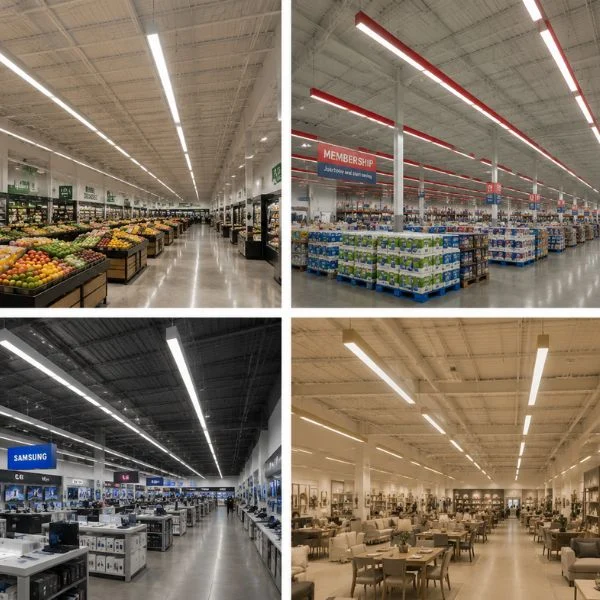
Retrofit LED Lighting Solutions Are soaring energy bills, relentless ballast [...]

Struggling to cut operational costs while upgrading your facility’s lighting [...]
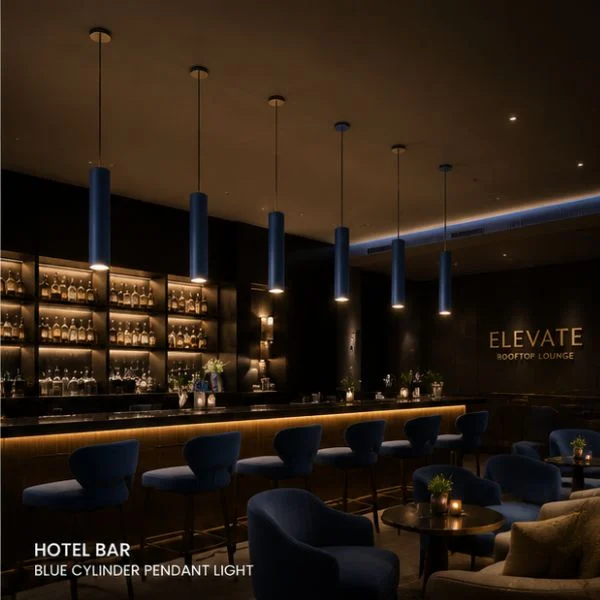
The Financial & Operational Business Case Upgrading to energy efficient [...]
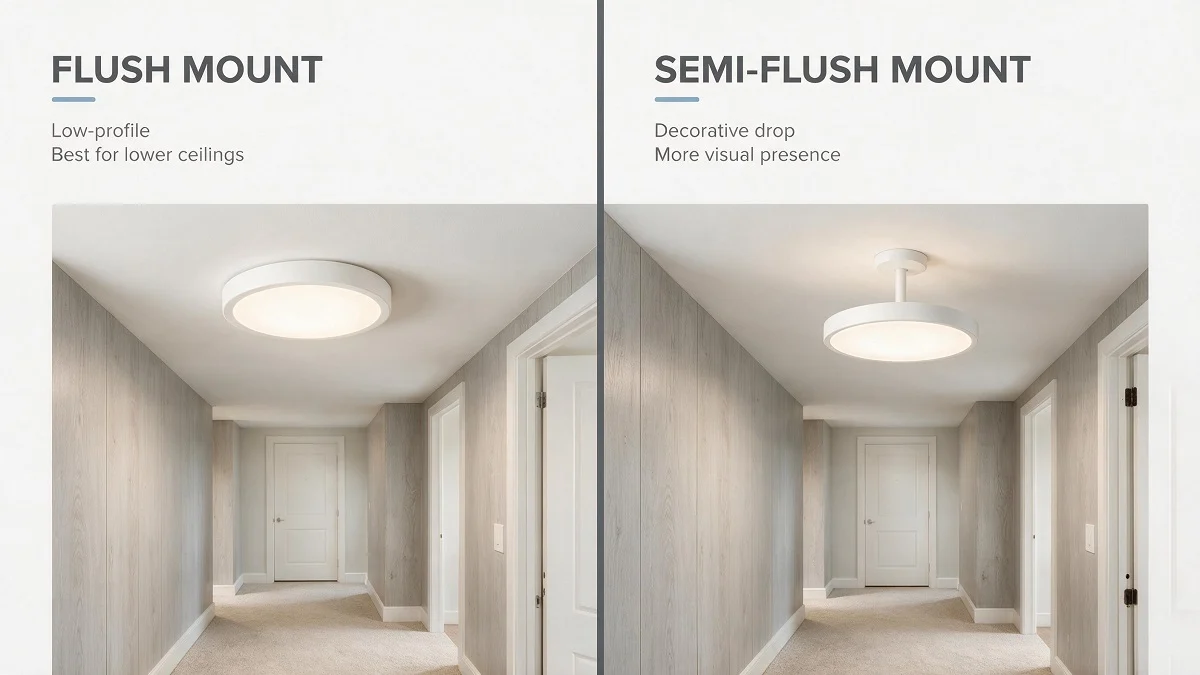
Are you worried about overhead head clearance, or tired of [...]