Key Principles of Classroom Lighting Design
A successful classroom lighting complete guide 2026 starts with understanding that lighting in educational institutions dictates student focus, health, and academic performance. Modern lighting systems must go beyond basic visibility to create an environment optimized for learning, prioritizing both physiological well-being and peak concentration.
Recommended Illuminance Levels and Uniformity
Proper illumination on all work surfaces is non-negotiable. Adhering to the latest IES lighting standards ensures students and teachers can operate without eye strain. Achieving strict uniform illumination eliminates harsh shadows and dark spots that disrupt the learning environment.
- Standard Classrooms: 30 to 50 foot-candles (approximately 300 to 500 lux levels).
- Whiteboards and Displays: Minimum of 50 foot-candles for clear, unobstructed visibility from the back of the room.
- Uniformity Ratio: Maintain a maximum-to-minimum illuminance ratio of 3:1 to ensure consistent lighting across every desk.
Correlated Color Temperature (CCT) and Mood
The color temperature of your luminaires directly influences the biological rhythms and alertness of students. Selecting the right CCT is a powerful control strategy for classroom management.
- 3000K (Warm White): Promotes a calming environment; best for reading corners, kindergarten nap areas, and relaxed group discussions.
- 4000K (Neutral White): The universal standard for general learning, providing a balanced, crisp atmosphere that sustains focus.
- 5000K (Cool White): Mimics daylight; ideal for testing environments, technical workshops, and science labs requiring high concentration.
Color Rendering Index (CRI) for Visual Accuracy
Visual accuracy is critical when students are interpreting color-coded charts, art projects, and complex scientific materials.
- Baseline Standard: Always select fixtures with a CRI of 80 or higher for general educational spaces.
- High-Fidelity Areas: Upgrade to CRI 90+ for specialized environments like art studios and chemistry labs to ensure absolute, true-to-life color representation.
Managing Glare, Flicker, and Visual Comfort
Maximizing visual comfort requires aggressive glare control and the total elimination of visible flicker. While legacy fluorescent lights historically caused severe eye fatigue and headaches, properly engineered LED systems actively protect student health.
- Direct and Indirect Light: Utilize suspended luminaires that cast light upward to bounce off the ceiling, combined with gentle downward illumination to soften the overall environment.
- Fixture Selection: Install low-glare recessed troffers or surface-mounted LED panels equipped with frosted, prismatic lenses to heavily diffuse the light source.
- Precision Optics: Calibrate beam angles to prevent light from shining directly into students’ eyes or washing out digital screens and interactive whiteboards.
Lighting Recommendations by Educational Space in our Classroom Lighting Complete Guide 2026
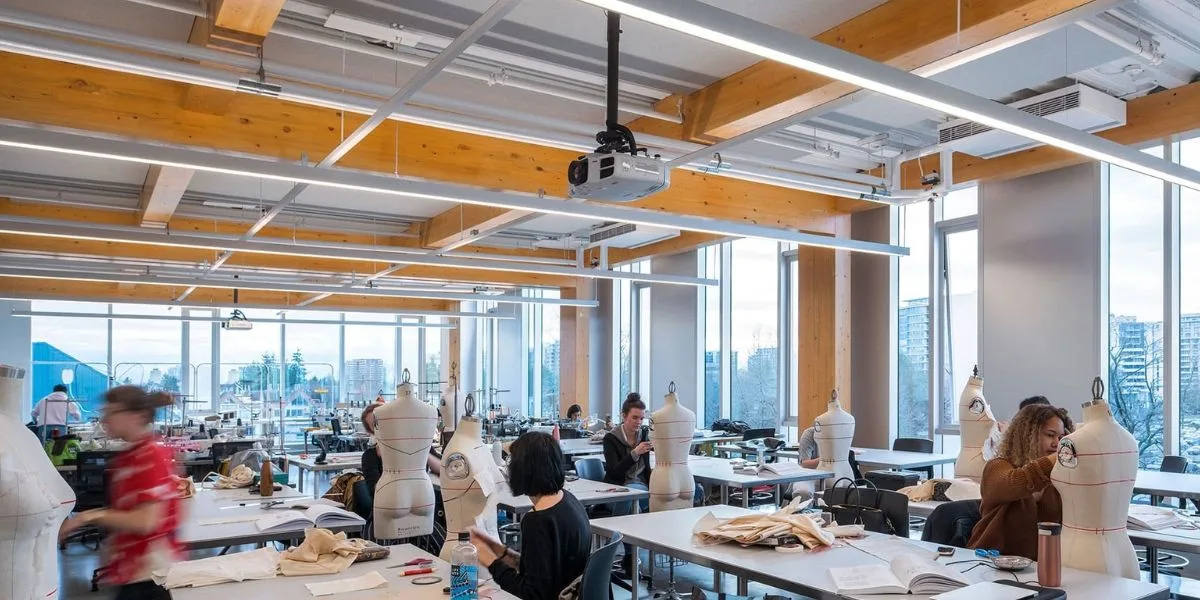
Main Classrooms and Whiteboard Illumination
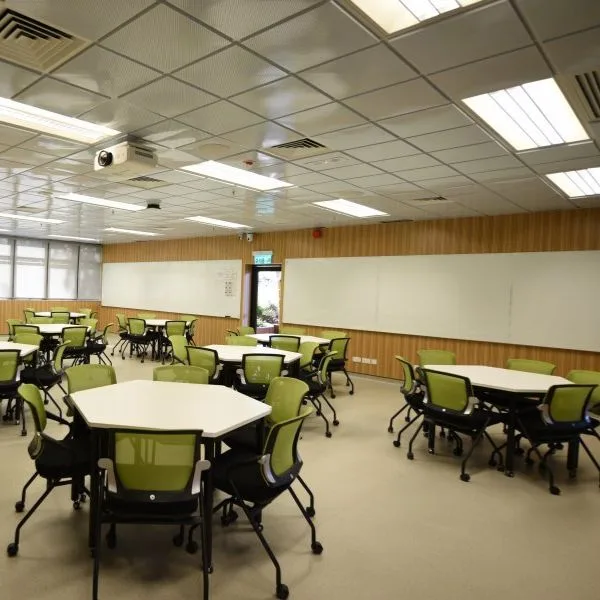
In main classrooms, achieving uniform illumination across all work surfaces is critical for keeping students focused. We recommend targeting 300 to 500 lux levels (roughly 30 to 50 foot-candles) for student desks to maximize visual comfort.
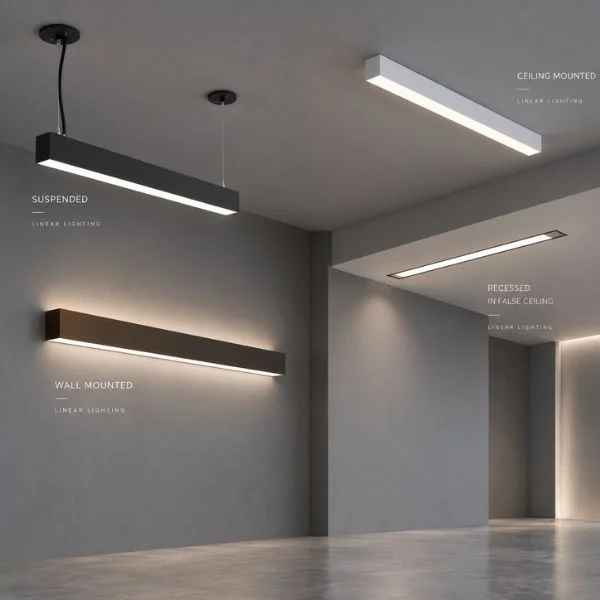
For the front of the room, you need dedicated asymmetric luminaires to push light directly onto the whiteboard while keeping glare out of the students’ eyes. Using a mix of direct and indirect light from recessed troffers or advanced RGBCW tunable white linear lights works perfectly to eliminate harsh shadows and reduce eye strain during long lessons.
Gymnasiums and Auditoriums
These are large, multi-purpose spaces that demand durable and flexible lighting systems.
- Gymnasiums: We install high bay luminaires that can deliver over 500 lux. The fixtures must be impact-resistant and provide wide beam angles so students can safely track fast-moving sports without blinding glare.
- Auditoriums: These spaces require highly adaptable lighting controls. We use dimmable fixtures that allow the school to seamlessly transition the room from bright, uniform light for note-taking to low, dramatic lighting for stage presentations.
Libraries and Study Areas
Libraries need a specialized blend of ambient and task lighting to support long, intensive reading sessions. To achieve optimal visual comfort, we use a combination of focused desk lamps and high-quality commercial pendant lighting to provide soft, glare-free overhead illumination.
Key metrics for libraries:
- Reading tables: Minimum of 500 lux levels.
- Book stacks: High vertical illumination (at least 200 lux) so students can clearly read titles on the very bottom shelves.
Corridors, Staircases, and Common Areas
Transition areas across educational institutions don’t need the intense brightness of a classroom, but they absolutely require consistent, safe lighting for navigation.
- Target Light Levels: 100 to 200 lux levels are standard.
- Fixture Choice: Surface-mounted LED panels or wrap-around fixtures work well here.
- Efficiency Tactics: Because hallways are often empty during class time, integrating basic lighting controls like occupancy sensors is the easiest way to lock in massive energy savings and lower daily operating costs.
The Benefits of Upgrading to LED School Lighting
When I walk facility managers through our classroom lighting complete guide 2026, the first thing we discuss is the immediate impact of dropping old tech. Transitioning from outdated fluorescent lights to modern LED lighting systems fundamentally transforms educational institutions. It is not just about making a room brighter; it is about securing long-term operational efficiency while ensuring visual comfort for students and staff.
Energy Efficiency and Sustainability Advantages
Switching to LEDs is the most effective strategy to slash utility bills. Legacy lighting wastes heat and power, whereas modern luminaires deliver direct and indirect light precisely where it is needed without the massive energy draw.
- Massive Energy Savings: Reduce power consumption by up to 75% across the campus.
- Targeted Illuminance: Easily hit required foot-candles and lux levels on work surfaces using a fraction of the electricity.
- Green Operations: Significantly lower the overall carbon footprint of your buildings.
Reduced Maintenance and Lifecycle Costs
Lighting retrofits quickly pay for themselves by virtually eliminating routine maintenance. Facilities teams waste too much time and budget on ladders replacing burnt-out tubes and faulty ballasts. By modernizing your spaces with reliable, adjustable fixtures like 5CCT LED flush mount ceiling lights, you remove the headache of constant repairs and instantly drive down operating costs.
| Metric | Traditional Fluorescent | Modern LED Upgrades |
|---|---|---|
| Expected Lifespan | 10,000 – 15,000 hours | 50,000+ hours |
| Operating Costs | High baseline | Extremely low |
| Maintenance Cycle | Frequent replacements | Install and forget |
Ensuring Safety with Emergency Lighting Systems
Safety is non-negotiable in any school environment. When the grid fails, educational institutions require failsafe backup systems. Integrating reliable emergency drivers with your new surface-mounted LED panels and recessed troffers guarantees that exit paths remain visible.
- Instant Activation: LEDs require zero warm-up time, immediately switching on during an outage.
- Strict Compliance: easily meet and exceed IES lighting standards for emergency protocols.
- Clear Pathways: Precision beam angles guarantee uniform illumination across hallways and stairwells, preventing panic and ensuring safe evacuations.
Smart Lighting Controls and Automation
As we cover in this classroom lighting complete guide 2026, modern upgrades go far beyond just swapping bulbs. Relying on automated lighting controls is the best way we can maximize energy savings while creating a highly functional learning environment.
Smart Sensing and Dimming Technology
Modern control strategies adjust light automatically based on real-time classroom needs, drastically improving visual comfort.
- Occupancy Sensors: Lights power down when a room is empty, completely eliminating wasted electricity in unused spaces.
- Daylight Harvesting: Smart sensors detect natural sunlight coming through windows and dim the artificial light to keep uniform illumination steady on all work surfaces.
- Scene Dimming: Teachers can use wall panels for quick dimming during projector presentations or quiet reading time.
When we integrate these smart features into different types of lighting for drop ceilings, the installation stays clean, and the lighting responds instantly to the environment.
Compliance with Energy Codes and Standards
Educational institutions face strict efficiency mandates. Smart automation takes the guesswork out of compliance.
- Code Adherence: Automated setups ensure your buildings easily meet the latest IES lighting standards and strict local energy codes.
- Cost Reduction: Automatically capping unnecessary light usage actively drives down daily operating costs.
- Funding Opportunities: Fully compliant lighting retrofits often qualify school districts for significant utility rebates and grants.
Integration with Building Management Systems
Connecting your classroom lighting systems into a central Building Management System (BMS) gives facility teams total control. It brings the high-tech tracking we usually see in advanced commercial office lighting solutions straight into the education sector.
| BMS Advantage | Practical Application |
|---|---|
| Campus-Wide Scheduling | Lock lighting schedules to standard school hours and automatic holiday shutdowns. |
| Real-Time Analytics | Track exact power consumption across the campus to verify your energy savings. |
| Maintenance Alerts | Find out exactly which luminaires need servicing before they actually fail. |
Practical Guide for Classroom Lighting Projects
As we look at the classroom lighting complete guide 2026, executing a successful upgrade requires more than just swapping out old bulbs. It takes a solid strategy focused on long-term performance, budget management, and student well-being.
Choosing the Right Fixture and Placement
Selecting the best luminaires determines the overall visual comfort of the space. We prioritize a strategic balance of direct and indirect light to eliminate harsh shadows on student work surfaces. Pay close attention to beam angles to guarantee uniform illumination from the front whiteboard to the back row. For most educational institutions, we suggest using surface-mounted LED panels or integrating recessed troffers directly into drop ceilings. This clean installation approach keeps the ceiling clear while maximizing effective glare control.
Navigating Certifications and Industry Standards
Safety and performance rules are non-negotiable in schools. Our projects strictly align with IES lighting standards to ensure the correct illuminance for learning environments. Depending on the specific room type, you must hit precise foot-candles and lux levels to keep students focused. Investing in properly certified lighting systems guarantees that your fixtures meet strict industry benchmarks for electrical safety, flicker reduction, and durability.
Steps for Planning a Lighting System Conversion
Moving away from outdated fluorescent lights toward efficient LED setups significantly cuts long-term operating costs. Here are the core steps we follow when managing lighting retrofits:
- Audit Existing Infrastructure: Evaluate current light levels and identify where the old system falls short in performance.
- Design the Layout: Map out new fixture placements to ensure optimal brightness and minimal glare.
- Implement Control Strategies: Add smart lighting controls, like automated dimmers and occupancy sensors, to drive massive energy savings.
- Plan the Rollout: Schedule the installation process during school holidays or weekends to prevent any classroom disruptions.
Frequently Asked Questions About Educational Lighting
As we wrap up our classroom lighting complete guide 2026, let’s tackle the most common questions we get from school administrators and facility managers regarding modern lighting systems.
Are LED Upgrades Worth the Initial Investment?
Yes, without a doubt. When educational institutions upgrade to LED, the return on investment happens fast.
- Lower Operating Costs: LED fixtures use significantly less power than older setups to achieve the same foot-candles.
- Reduced Maintenance: Modern luminaires, like high-quality architectural recessed lighting, last for tens of thousands of hours without needing bulb replacements.
- Better Environment: Upgrading old fixtures to new recessed troffers or surface-mounted LED panels drastically improves visual comfort for students and staff.
How Much Can Schools Save on Energy Costs?
Most schools see energy savings of 50% to 70% right out of the gate with complete lighting retrofits.
You can push those numbers even higher by pairing your new fixtures with smart lighting controls. Using automated control strategies—like daylight harvesting and occupancy sensors—ensures you only maintain the required lux levels when a room is actually being used, cutting out entirely wasted electricity.
Do LED Lights Create More Glare Than Fluorescents?
No, not if they are designed and installed correctly. Old fluorescent lights are notorious for flickering and causing eye strain over long periods. Modern LEDs, on the other hand, prioritize glare control.
By selecting the correct beam angles and balancing direct and indirect light, today’s fixtures provide smooth, uniform illumination across all student work surfaces. This ensures your spaces easily meet strict IES lighting standards while keeping everyone comfortable, focused, and free from glare.
STAY IN THE LOOP
Subscribe to our free newsletter.
Leave A Comment

Explore types of hanging lights including pendant chandeliers and cluster designs to find the perfect style for every room