
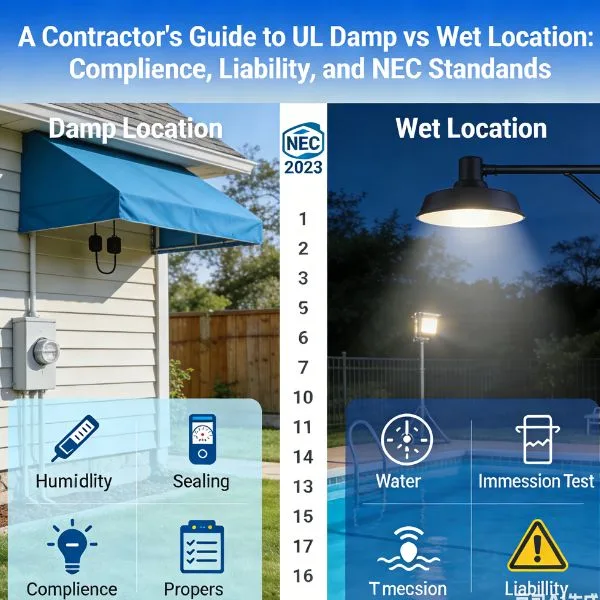
Understanding UL Location Ratings for Lighting Fixtures
As contractors, one of the first questions we tackle on any lighting project is: “What UL location rating does this fixture need?” Understanding UL certification and the differences between dry, damp, and wet location lighting is crucial for safety, compliance, and project success.
Quick Rule of Thumb for Contractors:
Damp Rated: Indoor areas with moisture (Bathrooms, Kitchens, Covered Porches). No direct water spray.
Wet Rated: Outdoor/Indoor areas with direct water contact (Rain, Showers, Pool decks).
Pro Tip: Wet-rated fixtures can replace damp-rated ones, but never vice vers
What UL Certification Means for Lighting Fixtures
UL (Underwriters Laboratories) certification confirms that a lighting fixture meets strict safety and performance standards. When you see a UL mark, you know the fixture has been tested for specific environmental conditions, like moisture and water exposure.
The Three Primary UL Location Ratings
UL location ratings fall into three main categories:
- Dry Location: Fixtures designed for indoor or protected areas with no exposure to moisture.
- Damp Location: Suitable for areas with moderate humidity or occasional condensation but no direct water contact.
- Wet Location: Built to withstand direct exposure to water, rain, or even hose-down testing.
ETL Certification as an Equivalent
ETL is another nationally recognized testing lab, often seen as an alternative to UL. An ETL certification means the fixture meets the same safety requirements, including damp and wet location standards. So, whether the label says UL or ETL, you’re covered.
Quick Reference: Substitution Rules
Here’s a practical tip to save you time on the job:
- Wet-rated fixtures can be installed in damp or dry locations without issue.
- Damp-rated fixtures must never be used in wet locations—they aren’t built to handle direct water exposure.
Keep this substitution rule handy when planning your installs to avoid costly callbacks or safety problems.
Defining Damp Locations
According to UL and NEC, damp locations are areas exposed to moderate moisture, humidity, or condensation but not to direct water contact. These environments experience moisture in the air but won’t have water splashing or soaking the fixtures.
Common examples for contractors include covered porches, bathrooms away from direct shower spray, kitchens above sinks, unfinished basements, garages, and warehouses where humidity levels are higher than normal indoor spaces. These settings require UL damp location rating fixtures designed to resist moisture without needing full waterproof protection.
Using the wrong fixtures in damp areas can lead to corrosion over time or fixture failure in consistently humid environments. Choosing lighting rated for damp conditions ensures durability, safety, and code compliance.
For reliable moisture-rated lighting options that fit damp locations, consider checking products like our durable exterior cylinder lights, built for such environments.
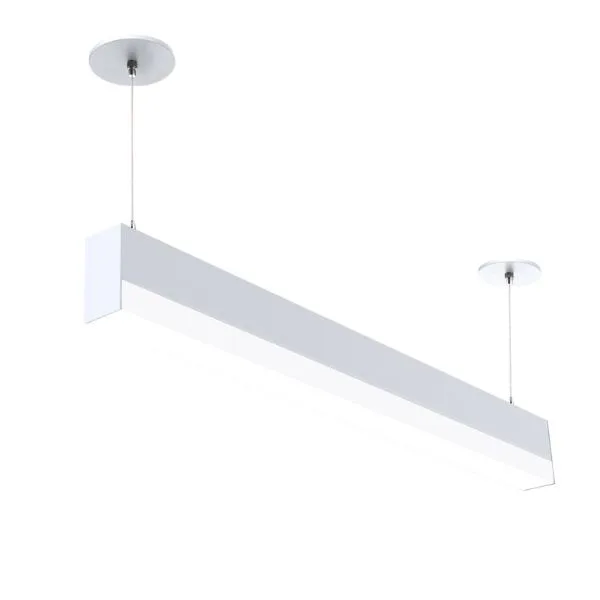
Defining Wet Locations
Wet locations, according to UL and NEC definitions, are areas directly exposed to water. This includes rain, splashing, hose-downs, or even temporary immersion. Lighting fixtures installed in these spots need to be fully sealed and designed to handle constant or frequent water contact without damage.
Common examples contractors see include uncovered outdoor areas like patios or walkways, exterior building walls, parking lots, and specialty places such as car washes or shower rooms. Landscape lighting exposed to the elements also falls under wet location lighting requirements.
To earn a UL wet location rating, fixtures must pass rigorous tests simulating real-world conditions, including rain exposure, sprinklers, and hose-downs to ensure they keep water out and stay safe. This makes UL wet location fixtures a must for any project involving direct water exposure lighting to meet safety and durability standards.
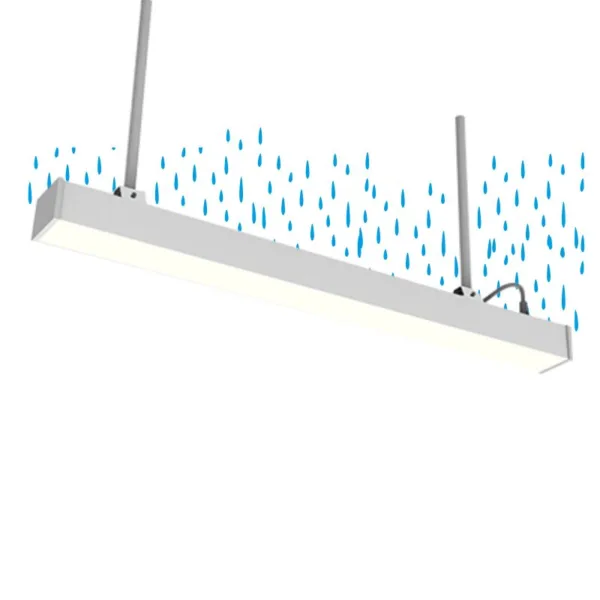

Key Differences Between Damp and Wet Rated Fixtures
Understanding the key differences between UL damp location rating and UL wet location fixtures helps avoid costly mistakes. Here’s a quick breakdown of what sets them apart:
Construction and Sealing
- Wet-rated fixtures are built with tight gaskets, sealed enclosures, and materials that handle direct water exposure like rain, splashes, or hose-downs.
- Damp-rated fixtures have moisture-resistant housing but lack the full water-tight sealing. They’re designed for areas with humidity or occasional condensation—not direct water contact.
Compatibility Rules
- Use wet-rated fixtures when direct water exposure is possible or required by code.
- For less exposed areas (covered porches, bathrooms away from showers), damp-rated is usually sufficient and cost-effective.
- Remember: Wet-rated fixtures can replace damp or dry fixtures, but damp-rated should never be used where wet-rated is specified.
Quick Comparison Table
| Feature | Damp Rated Lighting | Wet Rated Lighting |
|---|---|---|
| Exposure Level | Humid, moisture, condensation only | Direct water contact (rain, splash) |
| Typical Applications | Covered porches, closets, bathrooms | Outdoor landscape, showers, car washes |
| Sealing | Moisture resistant but not water tight | Fully sealed with gaskets |
| IP Rating Correlation | Usually IP44 or lower | Typically IP65 or higher |
| Cost | Generally lower cost | Higher cost due to rugged design |
For contractors, choosing wet-rated outdoor fixtures is a smart move when weather is a factor. For example, even if you’re running lights in a damp basement, a wet-rated fixture adds extra reliability. For detailed guidance on durable options, check out prillumen light’s portfolio of wall linear fixtures built for various applications.
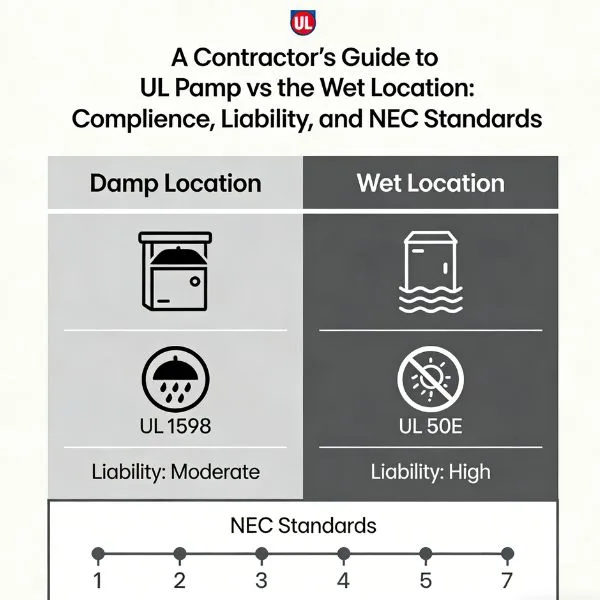
Note the difference: A damp-rated vanity light vs. a wet-rated floodlight. Understanding these NEC boundaries prevents costly inspection failures
Common Installation Scenarios for Contractors
When choosing between UL damp and wet location lighting, different installation sites call for specific ratings to meet safety and durability standards.
Residential:
For bathrooms and kitchens, damp-rated fixtures work well where there’s moisture but no direct water spray, like above sinks or in covered patios. Showers and exterior entries exposed to rain or spray require wet-rated lights to handle direct water exposure safely.
Commercial/Industrial:
Warehouses and parking garages typically fall under damp locations where humidity or occasional moisture is present but no direct water hits the fixtures. On the other hand, outdoor facades, food processing areas, or places that get sprinkled or hosed down need wet-rated outdoor fixtures that pass strict water resistance tests.
Outdoor Projects:
Covered fixtures, such as those under porches or awnings, usually need damp location ratings. But exposed fixtures, like pathway lights or landscape lighting directly open to rain, require wet location ratings for long-lasting performance.
For reliable options suitable for damp and wet applications, contractors can consider UL-certified lighting like prillumen’s durable fixtures designed for these environments. For example, their RGBW tunable white linear light offers moisture resistance suitable for versatile indoor and covered outdoor areas.
By matching the proper UL damp vs wet location lighting to each scenario, contractors avoid costly rework, ensure code compliance, and improve fixture longevity in the field.
NEC and Local Code Compliance
When working with UL damp and wet location lighting, following the National Electrical Code (NEC) and local regulations is essential. The NEC section 410.10 specifically addresses lighting in moisture-prone areas, detailing requirements to ensure safe and reliable installations.
For example, bathroom lighting near showers or bathtubs must meet strict height and spray exposure rules to avoid direct water contact unless the fixture is wet location rated. This means lights must be installed high enough or with protective features to prevent them from being splashed, complying with both safety and code standards.
To avoid inspection violations:
- Always confirm fixture ratings match the location’s moisture exposure.
- Use wet rated outdoor fixtures for any area with potential direct water contact.
- Double-check local codes, as some states or municipalities may have additional rules beyond the NEC.
- Ensure proper sealing and installation methods to prevent water ingress.
Following these guidelines helps keep your projects safe, code-compliant, and free from costly rework related to moisture damage or inspection failures. For reliable UL-certified options that meet these standards, consider trusted suppliers of wet location lighting fixtures.
Consequences of Choosing the Wrong Rating
Using the wrong UL damp vs. wet location lighting can lead to serious problems. From a safety standpoint, installing a fixture rated only for damp locations where wet-rated fixtures are required can cause electrical shorts, shocks, or even fires. Moisture can seep into improperly sealed fixtures, damaging wiring and components over time.
On the practical side, the wrong choice often means premature failure of your lighting, leading to voided warranties and costly callbacks. Contractors may face expensive rework to replace fixtures that weren’t up to code or built for the environment, wasting time and money.
For example, one contractor installed damp-rated fixtures under an open outdoor canopy expecting them to hold up. After repeated rain exposure, corrosion caused several failures, resulting in emergency replacements and unhappy clients. This shows why understanding UL ratings and choosing the right UL wet location fixtures is essential to avoid costly setbacks and ensure long-term reliability.
How to Identify Ratings on Fixtures
Choosing the right lighting starts with understanding the UL damp location rating or wet location designation on your fixtures. Always check the UL or ETL label on the product—these certifications confirm the fixture has been tested for safety in specific environments.
Look carefully for phrases like “Suitable for Damp Locations” or “Suitable for Wet Locations.” These markings tell you if the fixture can handle moisture or direct water contact. For example, a light marked “Suitable for Damp Locations” should only go in places like covered porches or bathrooms (away from showers), while “Suitable for Wet Locations” means it can handle rain, splashes, or hose-downs.
Also, verify the bulbs used are compatible with the fixture’s rating. Using a bulb not designed for wet or damp locations can void warranties or cause safety hazards. When in doubt, refer to product specs or UL listings to confirm the entire light setup is rated appropriately.
For contractors looking for reliable options, consider UL-certified fixtures like the 4 Linear Pendant Light Fixture, which have clear damp and wet location ratings, making installation straightforward and code-compliant.
Selecting the Right Fixtures: Contractor Best Practices
To choose the right lighting for your projects, start with a simple assessment checklist:
- Evaluate site moisture: Identify if the area is dry, damp, or wet based on exposure to water or humidity.
- Check exposure levels: Is the fixture fully exposed to rain or just occasional moisture?
- Consider ventilation: Good airflow can reduce moisture buildup, affecting fixture choice.
When in doubt, it’s smart to overspecify by going with wet-rated fixtures, especially for borderline damp locations. This extra protection can save headaches from corrosion or fixture failure down the line.
Integrating IP ratings alongside UL damp location ratings adds an extra layer of confidence. For example, IP65 or higher ensures dust-tight and water-resistant protection ideal for outdoor or semi-outdoor installations.
At prillumen light, we recommend UL-certified, durable fixtures designed specifically for tough damp and wet environments. Their products balance longevity with safety, including options that meet both NEC damp location requirements and harsh weather exposure. For reliable, moisture-rated lighting solutions, check out prillumen light’s IP66 architectural lighting designed for both indoor and outdoor applications.
Maintenance and Longevity Tips
Proper maintenance is key to getting the most out of your UL damp location and UL wet location fixtures. Regular cleaning and inspections help prevent corrosion and electrical issues caused by moisture or dirt buildup.
Cleaning and Inspection Protocols:
- Turn off power before cleaning to avoid shocks.
- Use a soft cloth or brush to gently remove dust and debris from fixture surfaces and seals.
- Check for cracks, damaged gaskets, or signs of rust that may compromise moisture resistance.
- Inspect bulbs and sockets to ensure they match the fixture’s damp or wet rating.
- Clear away any standing water or debris near outdoor or covered porch lighting.
Extending Fixture Life:
- Choose moisture-rated lighting designed to withstand local humidity and exposure levels.
- For borderline spaces, consider overspecifying by installing wet-rated outdoor fixtures to boost protection.
- Keep fixtures ventilated when possible to reduce condensation and heat buildup.
- Schedule regular checks especially after severe weather or heavy rain.
- Use fixtures listed by UL or ETL to make sure they meet required durability and safety standards.
By following these tips, contractors can avoid costly callbacks and ensure lighting performs reliably even in challenging environments. For durable, moisture-resistant options, check out prillumen light’s selection of updown pendant panel lights built for tough applications.
Professional Contractor FAQ
Q: Can I use a Damp-rated fixture for a covered outdoor kitchen? A: Technically yes, if it’s fully protected from rain. However, in coastal or high-humidity regions, we strongly recommend Wet Location fixtures to prevent internal corrosion caused by wind-driven moisture and salt air.
Q: Why did my Damp-rated light fail in a walk-in shower? A: Per NEC 410.10(D), any fixture within the “splash zone” (directly above the showerhead or within 3 feet horizontally) must be Wet Location rated. Condensation in showers often exceeds “Damp” limits.
Q: Can I use a Wet-rated bulb in a Damp-rated fixture? A: Yes. Moving up in protection (Wet bulb in Damp fixture) is safe and often recommended for longevity, but you should never use a Damp-rated bulb in a Wet-rated environment.
Review Our Wet Location Architectural Light Line


STAY IN THE LOOP
Subscribe to our free newsletter.
Leave A Comment
Learn how 0–10V dimming works in commercial LED linear lighting, including wiring, drivers, control compatibility, applications and troubleshooting.
Office Lighting Design Guide for Modern Workplaces with lux UGR and LED fixture tips for comfort productivity and energy efficiency
Ever wonder why an outfit looks vibrant in natural sunlight, [...]
What is Tunable White Lighting? As the industry standard evolves, [...]