
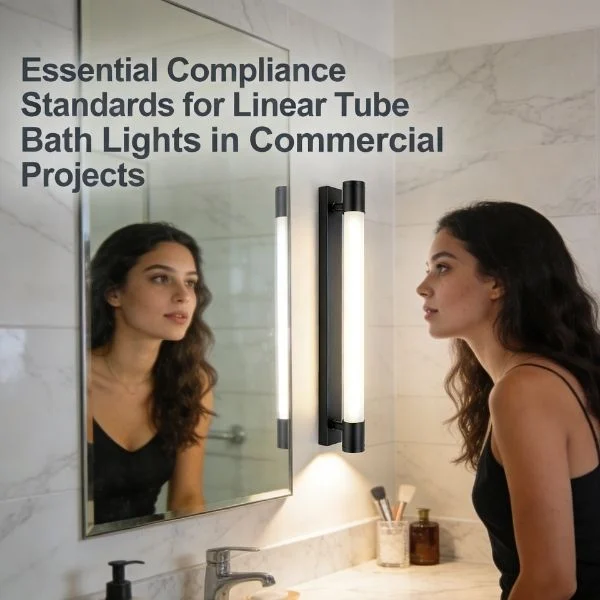
Safety and Location Ratings: UL/ETL Standards
In commercial projects, safety compliance isn’t just a checkbox—it’s the foundation of a reliable installation. When we supply lighting for hotels, multifamily units, or office restrooms, we know that failing to meet safety codes can lead to inspection failures and costly delays. The first line of defense in bathroom lighting is understanding the specific environmental ratings required by safety organizations.
Understanding Dry, Damp, and Wet Locations per UL 1598
Under the UL 1598 damp location rating standards, fixtures are categorized based on their ability to withstand moisture. It is crucial to distinguish between these zones to prevent electrical hazards:
- Dry Locations: Areas not normally subject to dampness. These fixtures are strictly for bedrooms, hallways, or living areas.
- Damp Locations: Interior or exterior locations protected from weather but subject to moderate degrees of moisture. This includes bathrooms subject to steam and condensation.
- Wet Locations: Locations where water may drip, splash, or flow on or against the electrical component. This typically applies to open outdoor areas or inside shower enclosures.
Why Linear Tube Bath Lights Require Damp Location Listing
For vanity applications, a linear LED bath bar compliance check is essential. While a vanity light isn’t getting sprayed with a hose, it is constantly exposed to high humidity and steam from showers and sinks. We ensure our linear tube bath lights carry a damp location listing because standard dry-rated fixtures will eventually corrode or short circuit in these environments. The damp rating certifies that the fixture is sealed well enough to handle condensation without risking user safety or fixture longevity.
When to Specify Wet Location Ratings in Commercial Baths
There is often confusion regarding wet vs damp location fixtures. In most commercial restroom layouts, the vanity lighting is positioned away from the shower or tub, meaning a damp rating is perfectly adequate. You generally only need to specify a wet location rating if the fixture is installed directly inside a shower stall or in an area where it will be subject to direct water spray. Over-specifying wet-rated fixtures for a dry vanity area can unnecessarily limit your design options and increase costs.
The Role of ETL and NRTL Certification in Electrical Safety
Safety certification goes beyond just the UL label. The ETL listed commercial luminaires mark comes from Intertek, a Nationally Recognized Testing Laboratory (NRTL) recognized by OSHA. Both UL and ETL test to the same safety standards (like UL 1598). When we design our fixtures, securing an NRTL certification proves that the product has undergone rigorous testing for temperature, electrical safety, and mechanical strength. For a commercial specifier, seeing an ETL or UL mark ensures the product meets the strict liability and safety requirements of modern building codes.
Accessibility Requirements: ADA Compliance
In commercial projects, inclusivity isn’t just a nice-to-have; it is a legal necessity. When we discuss Essential Compliance Standards for Linear Tube Bath Lights in Commercial Projects, the Americans with Disabilities Act (ADA) sets the baseline for safety. Ignoring these rules can lead to failed inspections and liability issues. We focus on ensuring that lighting fixtures contribute to a safe environment rather than creating hazards.
While verifying physical dimensions is crucial, it is equally important to understand broader standard compliance for importing lighting to ensure your project meets all regulatory safety benchmarks.
The 4-Inch Protrusion Rule for Wall Sconces
The most frequent stumbling block for vanity lighting is the protrusion limit. For the visually impaired, objects mounted on walls can be dangerous if they are not detectable by a cane.
- The Rule: Any wall-mounted fixture positioned between 27 inches and 80 inches Above Finished Floor (AFF) must not protrude more than 4 inches from the wall.
- The Solution: We recommend selecting low-profile linear bars or recessed fixtures for these zones. If a fixture is deeper than 4 inches, it must be mounted higher than 80 inches.
Mounting Height and Clear Floor Space
Beyond the fixture itself, placement matters. ADA protrusion limits wall sconces are just one part of the equation; the fixture location must not impede the clear floor space required for wheelchair maneuverability.
Key Mounting Guidelines:
| Parameter | Requirement | Reason |
|---|---|---|
| Vertical Zone | 27″ to 80″ AFF | The primary zone where protrusion limits apply to protect pathways. |
| Headroom | 80″ Minimum | Fixtures mounted above this height can protrude any distance (structurally permitting). |
| Clear Width | 36″ Minimum | Lighting must not narrow hallways or accessible routes below this width. |
Ensuring clear turning radii and floor space means keeping fixtures tight to the wall or high enough to be out of the way. Proper specification of linear tube lights ensures that the aesthetic goals of the bathroom do not compromise the safety of its users.
Energy Efficiency and Building Codes
Meeting modern standards in commercial projects means looking closely at energy consumption. We can’t just pick a fixture that looks good; it has to perform within strict regulatory limits. The IECC ASHRAE 90.1 lighting power density (LPD) codes set the baseline for how much power we are allowed to use per square foot in a restroom. Exceeding these limits can stall a project, so selecting efficient fixtures is the first step in compliance.
Mandatory Control Systems and LPD
To satisfy lighting power density LPD restrooms requirements, simply lowering wattage often isn’t enough. Building codes now mandate intelligent control integration.
- Auto-Shutoff: Lights must turn off automatically when the room is empty.
- Sensors: Occupancy sensor requirements restrooms are strictly enforced to ensure energy isn’t wasted in unoccupied spaces.
- Zoning: Larger commercial bathrooms may require zoned controls to manage lighting levels effectively.
Navigating Title 24 and JA8
For projects in regions with aggressive energy goals, specifically California, the Title 24 JA8 high efficacy LED standard is the hurdle we must clear. This code demands high-performance sources that deliver exceptional efficiency without compromising light quality. Integrating compliant linear lighting is essential here, as these fixtures are engineered to provide the necessary lumens per watt while maintaining the high efficacy ratings required by state regulations. Modern LED linear bath lights naturally align with these codes, offering the low power consumption needed for compliance while ensuring the aesthetic quality of the space remains high.
Performance and Quality Standards for Commercial Applications
When specifying lighting for commercial restrooms, meeting basic safety codes is just the baseline. To ensure user satisfaction and long-term reliability, we must focus on performance metrics that affect the visual experience and facility management.
CRI 90+ for Superior Color Rendering
In bathroom environments, light quality is non-negotiable. We prioritize CRI 90+ vanity lighting because standard CRI 80 fixtures often render skin tones poorly, making them appear washed out or unnatural. For hospitality and high-end office projects, high color rendering is essential for grooming and makeup application. A high CRI ensures that the reflection in the mirror is accurate and flattering.
Navigating IP Ratings vs. UL Standards
There is often confusion between safety listings and ingress protection. While UL ratings determine if a fixture is safe for damp or wet locations, IP ratings tell us how well the enclosure seals out dust and moisture.
- UL/ETL: Focuses on electrical safety and fire prevention in specific environments.
- IP Ratings: IP44 IP65 moisture protection measures resistance to water intrusion.
For a robust commercial installation, we look for fixtures that balance these standards. A surface mounted linear light with a proper damp location listing is typically sufficient for vanity areas, but understanding IP ratings helps when fixtures are placed near cleaning sprays.
Commercial Control Compatibility
Residential bathrooms often use phase-cut dimming, but commercial facilities rely on 0-10V dimming commercial controls. This protocol allows for integration with building management systems and occupancy sensors. Specifying fixtures with 0-10V drivers ensures smooth, flicker-free dimming and compatibility with modern energy-saving strategies. Additionally, we must consider emergency egress lighting commercial baths requirements, ensuring that designated fixtures can maintain safe illumination levels during power outages.
Common Compliance Challenges and Solutions
Navigating the regulatory landscape for commercial restrooms can be tricky, and we often see specifications rejected due to simple misunderstandings. A frequent point of confusion is the difference between IP ratings and UL standards. While an IP rating (Ingress Protection) indicates how well a fixture resists dust and water, it is not a substitute for electrical safety certification in the United States. For linear tube bath lights, a high IP number is good, but the fixture must have a UL or ETL damp location rating to satisfy the National Electrical Code (NEC). Relying solely on IP ratings without the proper safety listing is a guaranteed way to fail an electrical inspection.
Regional codes also present a significant challenge. A fixture that is perfectly compliant in Texas might fail in California if it doesn’t meet Title 24 JA8 high-efficacy standards. It is crucial to verify that the specific model you are choosing meets the energy codes of the project’s location, not just the manufacturer’s location.
How to Verify Certifications on Spec Sheets:
- Look for the Mark: Ensure the cut sheet displays a valid NRTL logo (UL, ETL, or CSA).
- Check the Location: The sheet must explicitly state “Suitable for Damp Locations” or “Wet Location Listed.”
- Confirm Voltage: Verify the driver accepts commercial voltage (usually 120-277V) to avoid installation issues.
Future-proofing your designs involves more than just meeting today’s minimums. We recommend specifying high-efficacy LEDs that exceed current IECC and ASHRAE 90.1 limits. High-quality components ensure that the lighting remains efficient and reliable for years. Whether you are installing a vanity bar or a drop lens linear LED pendant in a nearby corridor, choosing fixtures with superior efficacy ratings protects the facility against rising energy costs and tightening regulations.
Why Choose Prillumen Light for Compliant Linear Tube Bath Lights
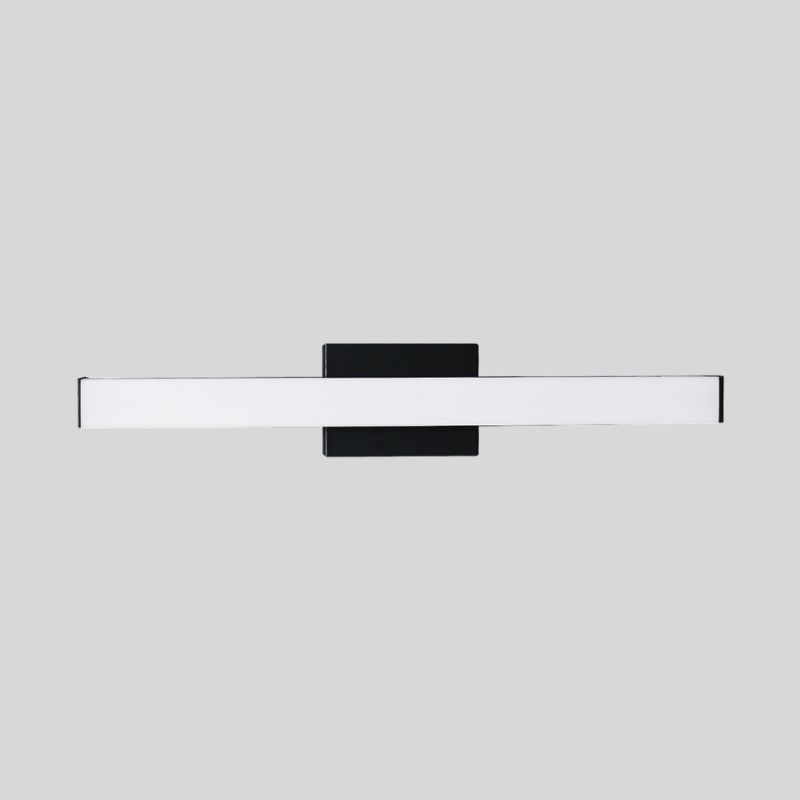
When specifying fixtures for commercial restrooms, meeting code requirements is just as critical as the aesthetic design. At Prillumen Light, we engineer our vanity light collections to align strictly with United States safety and accessibility standards. We ensure our fixtures satisfy UL 1598 damp location ratings, providing the necessary protection against moisture in bathroom environments while maintaining electrical reliability. Additionally, our designs prioritize accessibility, strictly adhering to ADA protrusion limits for wall sconces to ensure safe clearance in public spaces.
Key Features for Commercial Specification
We build our linear tube lights to perform in demanding commercial settings. Beyond safety ratings, we focus on the quality of light and ease of integration:
- CRI 90+ Vanity Lighting: High color rendering is essential for restrooms. Our LEDs deliver superior color accuracy, ensuring skin tones look natural.
- 0-10V Dimming: Our fixtures are compatible with standard 0-10V dimming commercial controls, allowing for energy-saving strategies and flexible ambiance.
- Multi-Voltage Capability: Designed for commercial grids, our drivers handle multi-voltage inputs to suit various facility requirements.
Quick Compliance Checklist for Commercial Projects
To streamline your specification process, use this checklist to verify linear LED bath bar compliance:
| Compliance Factor | Commercial Requirement | Prillumen Standard |
|---|---|---|
| Safety Certification | UL/ETL Listed for Damp Locations | Yes |
| Accessibility | ADA Compliant (< 4″ depth) | Yes |
| Light Quality | CRI 90+ for accurate rendering | Yes |
| System Control | 0-10V Dimming Compatibility | Yes |
| Power Input | Multi-Voltage Support | Yes |
Frequently Asked Questions About Commercial Bath Lighting Compliance
Navigating the maze of commercial bathroom lighting codes can be tricky. We often field questions from contractors and specifiers trying to balance aesthetics with strict regulations. Here are the answers to the most common compliance inquiries we receive.
What is the difference between damp and wet location ratings?
This is the most common confusion we see. A UL 1598 damp location rating indicates the fixture is suitable for areas subject to condensation or moisture but not direct water contact. For most vanity applications, a damp rating is sufficient because the fixture sits above the sink, dealing with steam rather than spray.
In contrast, wet vs damp location fixtures is a critical distinction for shower stalls. If the light is installed directly inside a shower enclosure where water might hit it, you absolutely need a wet location rating. For the typical linear vanity light, damp-rated is the industry standard.
Do all commercial bathroom lights need to be ADA compliant?
If the light fixture is mounted between 27 inches and 80 inches above the finished floor (AFF) in a public area, yes. ADA protrusion limits for wall sconces dictate that the fixture cannot extend more than 4 inches from the wall.
This ensures the path of travel remains clear for visually impaired individuals using canes. While private executive washrooms might have more flexibility, general public restrooms must adhere to these accessibility rules to avoid liability.
What are the current LPD limits for commercial restrooms?
Energy codes are tightening. Under IECC and ASHRAE 90.1 lighting power density standards, the allowable wattage per square foot for restrooms has dropped significantly. While it varies slightly by specific code version (e.g., IECC 2018 vs. 2026), you are generally looking at a limit around 0.5 to 0.6 watts per square foot.
This makes linear LED bath bar compliance essential. Old fluorescent or incandescent fixtures simply draw too much power to meet these modern density caps. Using high-efficacy LEDs allows you to maintain bright, safe illumination without exceeding the power budget.
How does Title 24 affect bathroom lighting outside of California?
While Title 24 JA8 high efficacy LED requirements are specific to California, they have set a benchmark for quality across the United States. Many manufacturers, including us, standardize our production to meet these rigorous specs because it guarantees better color rendering and efficiency.
Even if your project is in New York or Texas, specifying fixtures that meet these high standards ensures you are getting superior performance. It essentially “future-proofs” your design against your own local codes, which often adopt California’s strict measures a few years later. Understanding UL certified LED lighting standards and high-efficacy requirements helps ensure your project passes inspection the first time.
Related Sources
STAY IN THE LOOP
Subscribe to our free newsletter.
Leave A Comment
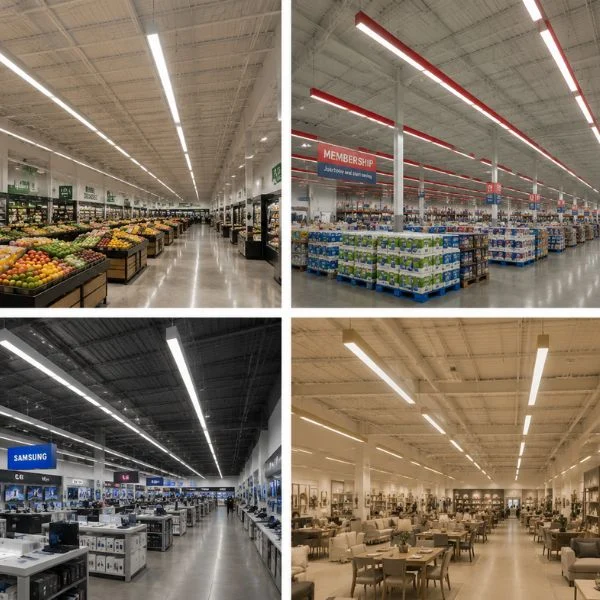
Retrofit LED Lighting Solutions Are soaring energy bills, relentless ballast [...]

Struggling to cut operational costs while upgrading your facility’s lighting [...]
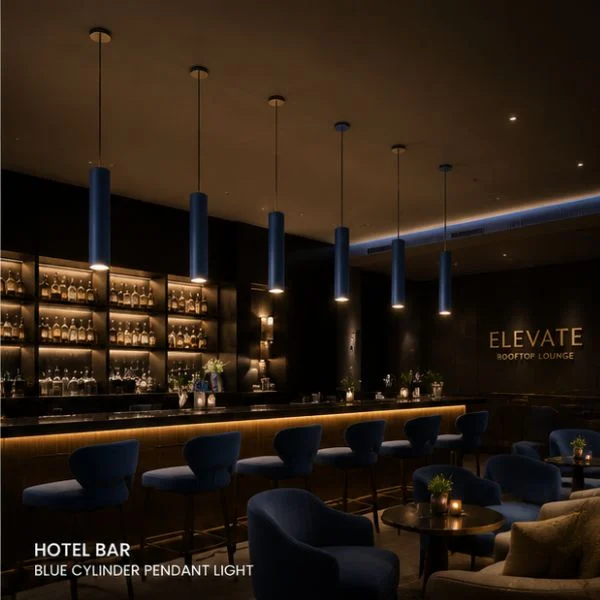
The Financial & Operational Business Case Upgrading to energy efficient [...]
Are you worried about overhead head clearance, or tired of [...]