Are you struggling to figure out the best types of lighting for drop ceilings for your space?
Choosing the perfect fixtures can make a massive difference in both the look and energy efficiency of your room.
But with so many different styles, sizes, and specs out there, making the right choice can feel overwhelming.
Well, you’re in for a treat because I’ve put together a complete, step-by-step guide.
In this post, you’re going to learn exactly how to choose the right fixtures, from sleek LED flat panel lights and troffer light fixtures to modern recessed downlights.
I’ll also break down the standard sizes for ceiling grid layouts, compare residential vs. commercial applications, and show you exactly how to tackle a drop ceiling light installation.
So if you want to upgrade your lighting and avoid costly mistakes, this guide is for you.
Let’s dive right in.
What is a Drop Ceiling?
A drop ceiling, frequently referred to as a suspended ceiling, is a secondary ceiling built below the primary structural ceiling.
It utilizes a metal grid framework suspended by wires to support lightweight ceiling tiles and panels. This architectural design is incredibly practical. It creates a concealed plenum space that perfectly hides ductwork, plumbing, and electrical wiring while maintaining immediate access for maintenance. For modern properties, it serves as the ideal structural foundation for seamlessly integrating versatile drop ceiling fixtures and recessed lighting.
Fluorescent vs. LED Ceiling Lights
When outfitting your ceiling grid, choosing the right light source is critical for long-term operational costs and visual comfort. The lighting industry has decisively shifted away from traditional fluorescent tubes in favor of advanced LED flat panel lights.
Here is a breakdown of why LED technology is the authoritative standard for modern commercial lighting and residential spaces:
- Energy Efficiency: LED panels consume up to 60% less electricity than their traditional fluorescent counterparts, drastically cutting monthly utility overhead.
- Maintenance & Lifespan: While fluorescent bulbs degrade and burn out quickly, modern LED troffer lights boast a lifespan exceeding 50,000 hours, virtually eliminating routine maintenance costs.
- Light Quality: LEDs deliver bright, uniform, and flicker-free illumination. They operate completely silently, avoiding the notorious buzzing and harsh glare common with aging fluorescent lay-in fixtures.
- Environmental Safety: Fluorescent tubes contain toxic mercury and require specialized disposal. LEDs are entirely environmentally safe and can be easily installed into your existing grid using retrofit kits.
Transitioning to LED ceiling panels is a necessary, high-ROI investment that guarantees superior light output and uncompromising energy savings.
Main Types of Lighting for Drop Ceilings
When upgrading a space, selecting the right types of lighting for drop ceilings makes a massive difference in both visual appeal and energy efficiency. We typically recommend four primary options that integrate perfectly with standard grid layouts.
LED Flat Panel Lights
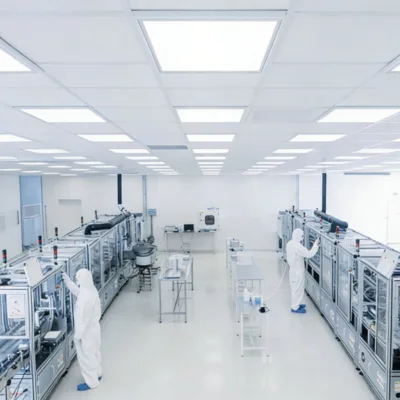
LED flat panel lights are the modern standard for clean, seamless illumination.
- Sleek Design: These recessed flat panels sit perfectly flush with standard ceiling panels, creating a smooth, modern look.
- Even Lighting: Whether you choose edge-lit or backlit panel lights, LED panels distribute smooth, glare-free light across wide areas.
- Simple Install: They function as easy lay-in fixtures that drop right into standard grid frame lights without extra hardware.
Troffer Light Fixtures
Troffer lights are the rectangular workhorses of commercial lighting.
- Modern Efficiency: While older parabolic fixtures relied on buzzing fluorescent tubes, today’s LED troffers and architectural troffers deliver superior brightness and drastic energy savings.
- Budget-Friendly Upgrades: If you have existing surface-mounted troffers, using retrofit kits is a smart way to upgrade to LED technology without tearing out the old housing.
Recessed Downlights
For targeted illumination, recessed lighting is incredibly versatile and aesthetically pleasing.
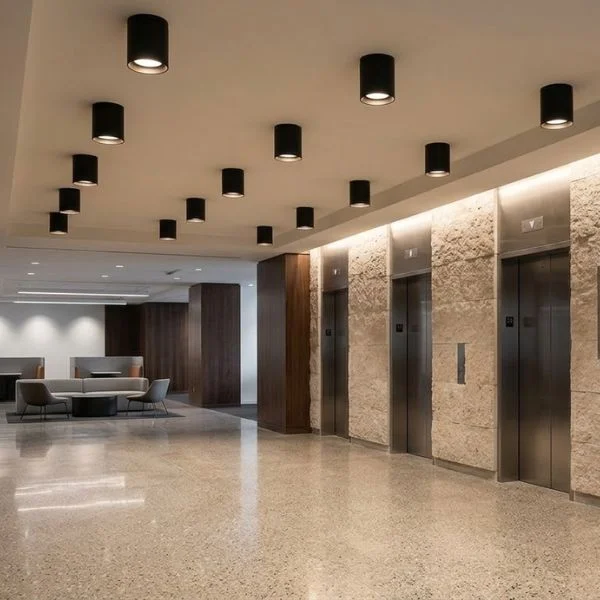
- Focused Light: Often referred to as can lights or pot lights, these downlights are ideal for hallways, reception desks, or accenting specific architectural features.
- Custom Fit: Unlike full-size panels, you cut custom holes directly into the ceiling tiles to mount these drop ceiling fixtures, giving the room a premium, highly customized feel.
Surface and Flush-Mounted Fixtures
If you prefer fixtures that don’t hide inside the ceiling cavity, surface and flush-mounted fixtures attach directly to the visible side of the grid.
- Low Clearance: Flush mount lights are perfect for spaces where the clearance above the drop ceiling is simply too tight for deep, bulky housings.
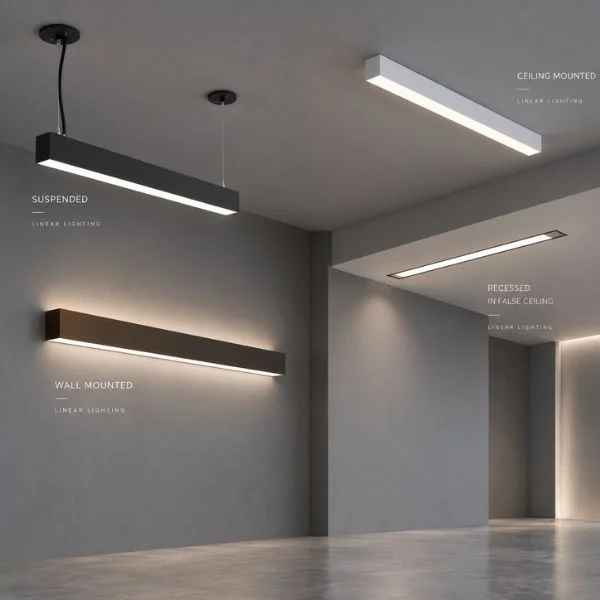
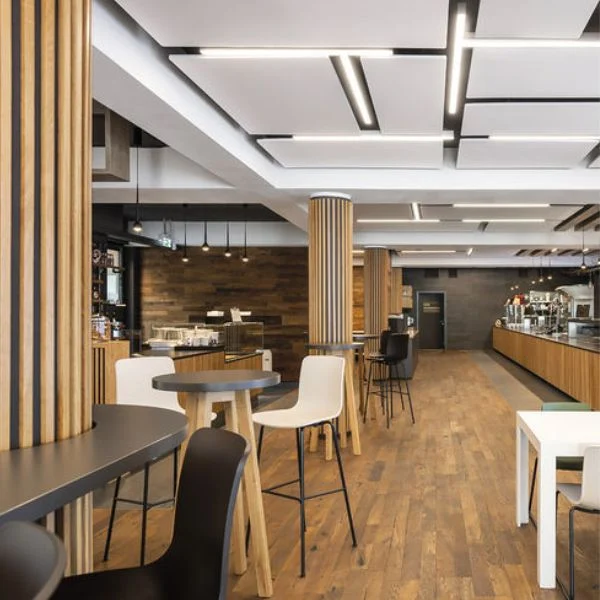
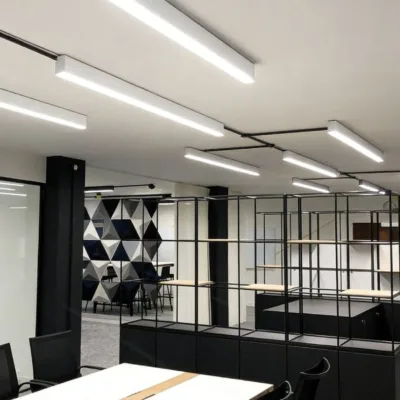
- Specialty Integrations: For modern, open-concept workspaces that struggle with echoing, mounting specialized acoustic linear lighting directly to or just below the ceiling grid adds both high-quality illumination and advanced noise reduction in one bold design.
Standard Sizes for Ceiling Grid Layouts
When planning the types of lighting for drop ceilings, getting the dimensions right is step one. Drop ceilings rely on a suspended metal framework, meaning your ceiling panels and light fixtures must match the grid perfectly. I always advise measuring the existing grid frame before ordering any drop ceiling fixtures to ensure a clean, drop-in fit.
2×2 and 2×4 Drop Ceiling Formats
These are the industry heavyweights. Walk into almost any commercial building, and you will find a grid frame built specifically for 2×2 or 2×4 layouts.
- 2×2 Fixtures (24″ x 24″): Perfect for standard square grids. These slots are commonly used for square LED flat panel lights, surface-mounted troffers, and basic lay-in fixtures.
- 2×4 Fixtures (24″ x 48″): The absolute standard for illuminating larger rooms. These rectangular openings typically house heavy-duty troffer lights or large backlit panel lights designed to push out maximum lumens.
When upgrading large commercial spaces, making sure you have high-quality LED office panel lights that slot right into these standard grids keeps the installation fast and cuts down on labor costs.
1×4 Narrow Panel Options
Sometimes a bulky 2×4 fixture does not fit the physical space or the desired aesthetic. That is where 1×4 narrow panel options step in.
- Space-Saving: These slim LED panels (12″ x 48″) are perfect for tight corridors, narrow hallways, or custom grid frame lights.
- Design Upgrade: They deliver a much cleaner, streamlined look compared to traditional parabolic fixtures.
I often rely on these 1×4 fixtures to integrate seamlessly with modern architectural linear office lighting designs, giving the entire ceiling a sharp, continuous flow without aggressive glare.
Quick Guide: Ceiling Grid Sizes vs. Lighting Types
| Grid Size | Common Drop Ceiling Fixtures | Best Application Space |
|---|---|---|
| 2×2 | Square LED flat panels, small troffers | Small offices, breakrooms, basements |
| 2×4 | Large LED troffers, backlit panel lights | Open-plan workspaces, retail stores, classrooms |
| 1×4 | Narrow LED panels, slim linear lights | Hallways, custom architectural setups, tight corridors |
Residential vs. Commercial Applications
Where you install your drop ceiling fixtures completely dictates the required setup. I always remind our customers that lighting a cozy home basement demands a vastly different approach than brightening a busy corporate floor. The key is matching the output and style to the daily use of the space.
Quick Comparison
| Application | Primary Focus | Best Drop Ceiling Fixtures |
|---|---|---|
| Residential | Comfort, ambiance, tight clearances | Recessed downlights, flush mount lights |
| Commercial | Productivity, glare reduction | LED flat panel lights, troffer lights |
| Industrial | Maximum brightness, durability | High bay and low bay fixtures |
Lighting for Offices and Workspaces
In corporate environments, commercial lighting must keep employees alert while reducing screen glare. We rely heavily on LED flat panel lights and lay-in fixtures for offices because they deliver an even, shadow-free spread across the room. Properly illuminating these workspaces goes beyond just picking a standard fixture. If you are mapping out a large-scale commercial renovation, reviewing our architectural lighting solutions guide can help you effectively align your drop ceiling fixtures with modern office standards and employee needs.
Basement and Residential Space Lighting
Homeowners primarily rely on tile ceiling lighting to cover exposed plumbing and ductwork in basements, home gyms, or media rooms. Because overhead clearance is often highly restricted in residential setups, bulky fixtures won’t work.
- Recessed lighting: Can lights sit flush with the ceiling panels, keeping the room looking modern and spacious.
- Flush mount lights: Ideal for grid frame lights when there is very little clearance above the drop ceiling.
- Dimming capabilities: Essential for transitioning a bright home workspace into a dark home theater.
Industrial High Bay and Low Bay Needs
Warehouses and manufacturing plants need heavy-duty output. While they may utilize high-clearance drop ceilings or exposed structural grids, the lighting requirements change drastically based on vertical height.
- Low Bay Lighting: Best for ceiling heights between 12 to 20 feet. These fixtures use diffusers to spread light horizontally and prevent harsh dark spots over workstations.
- High Bay Lighting: Engineered for spaces exceeding 20 feet in height. These powerful units push intense, focused light straight down to the floor level, ensuring safety and visibility in large industrial zones.
Impact on Maintenance and Longevity
When I supply commercial lighting for drop ceilings, my clients focus heavily on the bottom line: how long the lights will last and how much effort they take to maintain. Choosing the right fixtures drastically reduces facility management headaches over time.
Ease of Access and Cleaning Upkeep
The primary advantage of grid systems is accessibility. Maintaining drop ceiling fixtures is straightforward when you don’t have to tear into permanent drywall.
- Quick Swaps: With standard lay-in fixtures and modular ceiling panels, you can simply push the adjacent tile up to reach the wiring, driver, or junction box.
- Wipe-Down Simplicity: LED flat panel lights feature smooth, enclosed surfaces. A quick wipe removes dust instantly, unlike older parabolic fixtures that trap debris in their metal louvers.
- Harsh Environments: If your facility requires wash-downs or operates in high-humidity areas, integrating a sealed wet location lighting fixture directly into the ceiling grid prevents moisture from corroding internal components.
Bulb Lifespan and Energy Efficiency
Upgrading your tile ceiling lighting is the fastest way to permanently cut utility and labor costs. We consistently see commercial properties slash their operational expenses by moving away from legacy fluorescent tubes.
- Extended Lifespans: Modern LED troffers and backlit panel lights easily push past 50,000 hours of continuous use. This eliminates the need for maintenance crews to constantly climb ladders to replace dead bulbs.
- Maximum Efficiency: Modern downlights and panels deliver brighter, more consistent illumination while consuming a fraction of the electricity.
- Painless Upgrades: If you want efficiency without removing existing housings, snapping in magnetic retrofit kits takes minutes per fixture.
Sourcing reliable LEDs that actually deliver on these longevity promises requires careful planning. If you are outfitting a large commercial space, leaning on a strategic buyer’s guide ensures you bypass low-quality imports and secure fixtures built for true long-term performance.
How to Choose the Right Drop Ceiling Lights
Assessing Space and Aesthetic Requirements
When outfitting a room with new drop ceiling fixtures, the primary function of the space dictates your design choices. A corporate boardroom demands a clean, modern look, while a retail space might rely on targeted downlights to highlight specific product displays. You have to evaluate the height of your grid frame and how the fixtures will blend with the tile ceiling. If you are aiming for a sleek, minimalist aesthetic, recessed flat panels and flush mount lights keep the ceiling profile smooth and unobtrusive, completely avoiding the bulky look of older surface-mounted troffers.
Understanding Lumens, Watts, and Kelvin
Getting your commercial lighting quality exactly right comes down to three basic metrics. I always remind customers to stop looking at watts for brightness and start focusing strictly on lumens. If your space serves multiple functions and you need complete control over the room’s atmosphere, installing an RGBCW tunable white linear light allows you to dial in the exact color temperature and brightness on demand.
Here is a quick breakdown to help you match these metrics to your drop ceiling:
| Lighting Metric | What It Actually Measures | Best Practice for Drop Ceilings |
|---|---|---|
| Lumens | Total Brightness Output | Aim for 50-75 lumens per square foot in active workspaces. |
| Watts | Energy Consumption | Prioritize high lumen-per-watt LED panels to cut energy bills. |
| Kelvin (K) | Color Temperature | 3000K (Warm) for lounges; 4000K-5000K (Daylight) for offices. |
Budget and Warranty Considerations
Upfront pricing is only part of the equation when investing in commercial lighting. You must balance the initial purchase price against the long-term operational costs of the fixtures.
- Initial Cost vs. Visual Value: Standard LED flat panel lights are highly cost-effective and easy to scale for massive grid layouts. Conversely, high-end architectural troffers will cost more upfront but drastically elevate the visual appeal of a professional space.
- Warranty Protection: Never settle for a warranty under 5 years for daily-use applications. Reliable lay-in fixtures should guarantee long-term performance without flickering or color shifting over time.
- Utility Rebates: Always check local energy programs. Many utility companies offer substantial cash rebates when you upgrade outdated parabolic fixtures to modern, energy-efficient LED models.
Drop Ceiling Light Installation Guide
I always tell my clients that installing drop ceiling fixtures doesn’t have to be a headache, but it does require precision. Whether you are upgrading a commercial workspace or finishing a basement, getting the installation right ensures your ceiling panels look clean and the lighting performs perfectly.
How to Cut Ceiling Tiles for Fixtures
If you are installing round can lights or custom recessed lighting, you will need to cut the ceiling tiles to fit the housing perfectly.
- Measure and Trace: Remove the tile from the grid. Use the template provided with your downlights to trace the exact shape onto the front of the tile.
- Score and Cut: Use a sharp utility knife or a keyhole saw. Make multiple shallow passes along the line rather than trying to punch through all at once. This prevents the tile from crumbling or tearing.
- Test the Fit: Place the tile back into the grid and slide your fixture in. It should sit flush without bending the tile or warping the grid frame.
Before making your first cut, I highly recommend locking down your overall design. Mapping out your fixtures properly is crucial—check out these linear LED lighting layout tips for office spaces to ensure your spacing and light distribution are spot-on.
Related Sources
STAY IN THE LOOP
Subscribe to our free newsletter.
Leave A Comment

Explore types of hanging lights including pendant chandeliers and cluster designs to find the perfect style for every room