What Are UL Listed Lighting Fixtures?
Welcome to the ul lighting fixtures ultimate guide 2026. When you see a lighting fixture bearing the UL mark, it signifies that the product has undergone and passed rigorous safety testing by Underwriters Laboratories (UL), a globally recognized safety science company. As an industry leader, we ensure that offering UL listed lighting fixtures guarantees our products meet the strictest criteria for electrical safety, giving you absolute peace of mind.
Understanding the UL Mark
The UL mark is not just a regulatory sticker; it is a verifiable seal of safety and reliability. Spotting this specific logo on our light fixtures confirms that the product has been systematically evaluated against foreseeable hazards, including electrical shocks, fire risks, and thermal burns. It is your ultimate assurance that the fixture is engineered for safe, long-term operation.
UL Listed vs. UL Recognized
It is essential to understand the functional difference between these two UL designations when sourcing lighting products:
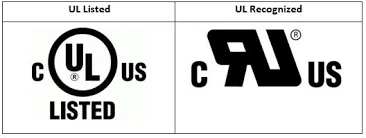
- UL Listed: This designation applies to standalone, finished products (such as a complete ceiling light or LED troffer) that have been thoroughly tested for safety in their final, ready-to-use form.
- UL Recognized: This designation is strictly for individual components (like LED drivers, ballasts, or internal wiring) that are housed within a larger product.
| Feature | UL Listed | UL Recognized |
|---|---|---|
| Scope | Complete, end-use lighting fixtures | Internal parts and components |
| Evaluation | Tested for direct consumer/electrician installation | Evaluated for factory/manufacturer integration |
| Visual Mark | Distinct “UL Listed” circle logo | Backward “UR” symbol |
Comparing UL, ETL, and CSA Certifications
While UL is the gold standard in the United States, the global market utilizes several equivalent certifications. Understanding these ensures you make compliant purchasing decisions:
- UL (Underwriters Laboratories): The most universally recognized safety testing and certification organization in the US market.
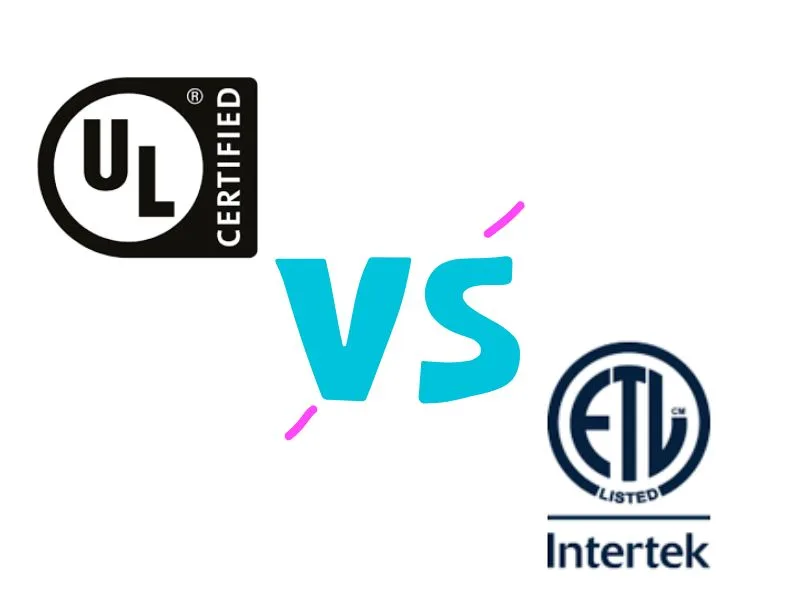
- ETL (Intertek): Tests lighting products to the exact same baseline safety standards as UL. Legally and practically, an ETL mark is fully equivalent to a UL mark for building code compliance.
- CSA (Canadian Standards Association): The primary safety standard in Canada. When accompanied by a “US” indicator (cCSAus), it is universally accepted across the United States.
All three organizations are officially recognized as Nationally Recognized Testing Laboratories (NRTLs) by OSHA, ensuring your lighting fixtures are fundamentally safe and fully compliant.
Why is UL Certification Important for Lights?
As we detail in this ul lighting fixtures ultimate guide 2026, that little UL logo carries serious weight. It goes far beyond a simple marketing tool. It acts as a non-negotiable baseline for anyone manufacturing, selling, or installing lighting today.
Electrical Safety and Fire Prevention
The primary job of the UL mark is to keep people and properties safe. Uncertified lighting is a massive fire and shock hazard. When we rely on a UL label, we know the fixture has survived harsh, standardized testing environments.
- Overload Protection: Ensures internal drivers and wires will not melt or catch fire during an unexpected power surge.
- Heat Dissipation: Confirms the fixture stays cool enough to avoid igniting nearby ceiling joists, drywall, or insulation.
- Moisture Resistance: Verifies that seals work correctly to prevent electrical shorts in damp or wet environments.
Compliance with Building Codes
Electrical inspectors do not compromise on safety codes. The vast majority of municipalities, building departments, and commercial insurance policies strictly require UL listed products. Installing uncertified fixtures usually leads to failed inspections, stalled projects, and voided insurance coverage. Whether you are doing a basic office retrofit or installing high-end architectural slot 3 wall-mounted linear lights in a new lobby, having that UL certification ensures you clear local code requirements the first time.
Long-Term Reliability and Quality Assurance
A product that survives UL’s rigorous testing process is inherently built better. For us in the industry, the UL mark is a direct indicator of long-term reliability and lower maintenance costs.
- Higher-Grade Components: Manufacturers are forced to use premium wiring, solid connections, and stable drivers to pass the initial evaluation.
- Reduced Failure Rates: Rigorously tested fixtures simply fail less often out in the field.
- Proven Durability: When sourcing durable lighting solutions for parking garages or demanding commercial spaces, UL-certified fixtures guarantee the build quality actually matches the physical demands of the environment.
Do All Light Fixtures Need to Be UL Listed?
Clients often ask us if every single light requires safety certification. As a core part of this ul lighting fixtures ultimate guide 2026, let me give you the straightforward answer: legally, not always, but practically, yes. While there isn’t a blanket federal law demanding it for every scenario, local building codes, licensed electricians, and insurance policies effectively make UL certification mandatory for your projects.
Commercial Lighting Regulations
Commercial environments face intense regulatory scrutiny. Local building inspectors enforce the National Electrical Code (NEC), demanding that commercial fixtures be certified by a recognized testing laboratory. If you are upgrading a facility to match the newest commercial linear lighting trends 2026, those new fixtures must carry a valid UL mark. Installing unlisted lighting in an office, warehouse, or retail space immediately leads to failed inspections, massive project delays, and heavy code violation fines.
Residential Fixture Compliance
Residential lighting projects might feel slightly more flexible, but the financial and safety stakes remain incredibly high. Reputable contractors will simply refuse to install non-certified lights due to liability risks. More importantly, if an unlisted pendant light or ceiling fan causes an electrical fire, your homeowner’s insurance provider can outright deny the damage claim. We always advise our clients never to compromise on residential safety standards to save a few dollars.
Indoor vs. Outdoor Lighting Requirements
Where you place the fixture dictates the specific UL rating required. You cannot simply install a standard indoor light on an exterior wall.
Here is how we break down the necessary environmental ratings:
| Location Type | Required UL Rating | Typical Applications |
|---|---|---|
| Dry Locations | Standard UL Listed | Bedrooms, living rooms, and standard LED workspace lighting for offices |
| Damp Locations | UL Damp Rated | Bathrooms (away from direct water), indoor pools, and covered patios |
| Wet Locations | UL Wet Rated | Exposed outdoor walls, landscape pathways, and uncovered exterior decks |
Always verify the specific environmental rating on the product spec sheet before purchasing or installing any lighting fixture.
Common Types of UL Certified Lighting
As a lighting manufacturer, I regularly walk clients through which fixtures require strict safety testing. In this section of our UL lighting fixtures ultimate guide 2026, we break down the most common certified fixtures you will encounter on the market.
Recessed Light Fixtures
These fixtures sit directly inside your ceiling. Because they are tucked away near wood framing, drywall, and insulation, overheating is a massive hidden fire risk. UL certification ensures the housing manages heat safely.
- IC-Rated Fixtures: Certified to safely make direct contact with ceiling insulation without catching fire.
- Non-IC Fixtures: Rigorously tested to ensure they operate safely when given the required clearance from combustible materials.
LED Strip and Linear Lighting
Linear lights are the go-to solution for modern offices, warehouses, and retail layouts. Since these fixtures often run in long, continuous lines, the internal drivers and wiring must handle sustained electrical loads without failing.
If you are outfitting a large workspace, understanding how to choose UL certified linear LED lighting for commercial projects is crucial to avoid building code violations. For standard drop ceilings, integrating a certified architectural LED troffer guarantees you get high energy efficiency without compromising workplace safety.
Indoor Decorative Lamps and Pendants
Chandeliers, wall sconces, and hanging pendants might look like pure decor, but they carry live electrical current through complex metal frames. A UL mark on decorative fixtures verifies two main things:
- Structural Integrity: The ceiling canopy and mounting hardware are tested to hold the actual weight of heavy glass and metal components.
- Wiring Protection: The internal wires are properly insulated so they won’t fray against sharp metal edges, preventing dangerous electrical shocks.
How to Choose and Verify: UL Lighting Fixtures Ultimate Guide 2026
Selecting Fixtures for Specific Applications
Picking the right fixture goes beyond aesthetics; it comes down to environmental safety. We always match the UL rating directly to where the light will live. Sourcing the wrong fixture for a wet environment is a massive fire hazard. For example, specialized environments like healthcare lighting solutions require strict adherence to damp or wet ratings due to frequent sanitation protocols and rigorous compliance codes.
Here is a quick breakdown of how we match ratings to specific applications:
| UL Rating | Environment Condition | Common Applications |
|---|---|---|
| UL Dry Location | Indoor areas completely free from moisture. | Living rooms, bedrooms, standard office spaces. |
| UL Damp Location | Protected areas exposed to ambient moisture but not direct water. | Bathrooms (away from showers), indoor pools, covered patios. |
| UL Wet Location | Locations where water directly splashes or flows on the fixture. | Uncovered outdoor pathways, shower enclosures, exterior walls. |
Identifying Authentic UL Labels
Counterfeit safety labels are a real risk in the global manufacturing market. To protect your property, you must know what a genuine UL mark looks like. When we inspect a fixture, we look for four non-negotiable elements on the holographic label:
- The Authentic Logo: The “UL” letters clearly printed inside a circle.
- The “LISTED” Designation: Printed directly below or beside the logo.
- Unique Control Number: A distinct 4-character alphanumeric code.
- Product Category: The specific product identity (e.g., “Luminaire” or “LED Driver”).
If the label looks like a cheap paper sticker, lacks a control number, or has a blurry logo, reject the product immediately.
Checking the Official UL Database
Seeing a physical label isn’t enough; we always verify the data online. The only foolproof way to confirm a certification is by searching the official UL Product iQ database. It is a free tool that provides immediate, reliable answers.
Simply type the control number or the manufacturer’s name straight from the physical label into the database search bar. If the product does not populate with an “Active” status, the certification is invalid. If you run into hurdles during your verification or sourcing process, checking our frequently asked questions can help you navigate common compliance and technical roadblocks quickly.
The UL Listing Process for Lighting Manufacturers
Safety Standards and Evaluation
Getting a lighting product certified is not a quick paperwork exercise; it is a rigorous engineering challenge. We have to submit actual production samples to the testing laboratory, where they are pushed to their limits. The evaluation covers critical safety aspects:
- Thermal Testing: Ensuring the fixture dissipates heat correctly and doesn’t overheat nearby materials.
- Electrical Safety: Verifying that insulation and grounding prevent any risk of electric shock.
- Physical Durability: Testing the housing to ensure it withstands impact and environmental stress.
This process guarantees that when you install our fixtures, they meet the highest safety benchmarks for 2026.
Using UL Recognized Components
To build a reliable system, we don’t start from scratch with every part. We utilize “UL Recognized” components—like drivers, terminal blocks, and LED modules—that have already passed their own safety checks. This ensures the core of the fixture is solid before we even assemble it. Many of the top LED light manufacturers follow this strategy because it creates a safer final product and streamlines the certification timeline. Using pre-certified components reduces the risk of failure during the final system test.
Ongoing Third-Party Verification
The UL mark isn’t a one-time achievement; it requires constant vigilance. Once a product is listed, UL representatives perform unannounced quarterly inspections at our manufacturing facilities. They check our assembly lines, review our material sources, and test random units to ensure consistency.
- Material Verification: Confirming we haven’t swapped in cheaper, unsafe plastic or wiring.
- Process Audits: Ensuring assembly workers are following the approved safety protocols.
This continuous monitoring means the quality you see in the catalog is exactly what arrives at your job site.
STAY IN THE LOOP
Subscribe to our free newsletter.
Leave A Comment
Top 10 Under Cabinet Lighting Brands in the USA for [...]
Top 15 Office Lighting Suppliers in the USA (2026 Complete [...]
Top 10 LED Wraparound Light Brands in the USA: 2026 [...]