
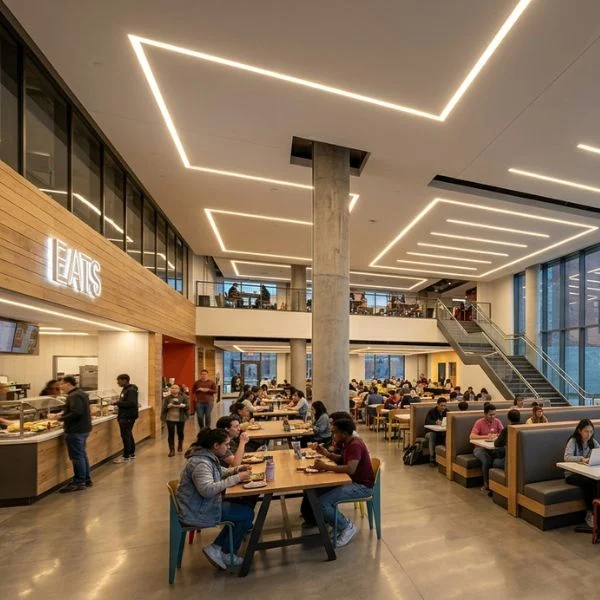
The Core Philosophy of Architectural Lighting Design
Architectural lighting design is the precise intersection of artistic vision and technical discipline. I view light not merely as a utility, but as a structural element that defines the boundaries and character of a built environment. By marrying aesthetics with engineering, I transform static spaces into dynamic experiences that prioritize both human comfort and visual impact.
Mastering Spatial Perception and Visual Ergonomics
Light is the primary tool for shaping spatial perception. How a room is lit directly influences how we feel and move within it. I focus on visual ergonomics to ensure that illumination supports the psychological needs of the occupants.
- Mood Regulation: Warm, dimmed layers promote relaxation, while cooler, brighter tones enhance focus.
- Depth and Dimension: Strategic shadows create a sense of scale, making small rooms feel expansive or large halls feel intimate.
- Circadian Support: Using advanced lighting control systems allows the environment to mimic natural daylight cycles, improving long-term well-being.
Balancing Form and Function
In high-end design, the hardware must be as impressive as the light it produces. However, I never let a fixture’s appearance compromise its performance. Form vs. Function is about finding the “sweet spot” where the aesthetic of the luminaire enhances the room without creating distracting glare or poor light distribution.
- Light Quality First: I prioritize high-quality interior illumination that offers flicker-free performance and precise beam control.
- Aesthetic Alignment: Fixtures are selected to match the architectural language, whether that involves bold statement pieces or minimalist, recessed options.
- Glare Reduction: I utilize deep-regressed optics and honeycombs to ensure the light source remains comfortable to the eye.
Seamless Architectural Integration
The most successful architectural lighting design is often felt rather than seen. I advocate for concealing light sources within the fabric of the building to highlight structural features like coffered ceilings, textured walls, or cantilevered stairs.
- Hidden Sources: Utilizing LED architectural fixtures in coves or joinery to create a “glow” rather than a hot spot.
- Highlighting Geometry: Using light to trace the lines of the architecture, reinforcing the designer’s original intent.
- Minimalist Footprint: I aim for a clean ceiling plane, reducing visual clutter by choosing small-aperture fixtures that pack a powerful punch.
The Three Fundamental Layers of Architectural Lighting Design
I approach every project by layering light to create depth and balance. A single light source is never enough to make a space feel complete; instead, I use three distinct layers to define the environment and ensure it remains both functional and visually engaging.
Ambient Lighting: The Foundation
Ambient lighting serves as the baseline for any interior illumination strategy. It provides the general light needed for safety and movement, filling the volume of a room with a soft, even glow. I focus on creating a comfortable environment where shadows are minimized, often utilizing lighting control systems to dim these sources and shift the mood from day to night.
Task Lighting: Focused Performance
This layer is all about utility. Whether it’s a kitchen counter, a desk, or a reading nook, task lighting provides the high-intensity illumination required for specific activities. To achieve the best results, I integrate ambient and task lighting so that the functional areas are bright enough to prevent eye strain without overpowering the rest of the room. Using high-quality surface-mounted LED cylinders is an excellent way to deliver direct, clean light to workspaces while maintaining a sleek, modern aesthetic.
Accent Lighting: Visual Hierarchy
Accent lighting is where I add drama and character to a building. It is used to draw the eye toward architectural features, artwork, or textures. By making the accent light at least three times brighter than the surrounding ambient light, I create a clear visual hierarchy that guides how people experience the space.
- Ambient: Sets the overall mood and visibility.
- Task: Enhances productivity and prevents glare.
- Accent: Highlights structural beauty and adds depth.
Advanced Techniques in Architectural Illumination
Mastering architectural lighting design means knowing exactly how to manipulate light to shape a room’s physical boundaries. When we design interior illumination, we rely on a few advanced techniques to add depth, texture, and visual interest to a space.
Wall Washing vs. Wall Grazing
These two methods treat vertical surfaces entirely differently based on fixture placement:
- Wall Washing: We place lights further away from the wall to create a smooth, even distribution of light. This technique flattens textures, hides surface imperfections, and makes the room feel much more spacious. Utilizing recessed linear lighting ceiling fixtures is an excellent way to achieve a clean, uniform wash across a large commercial wall.
- Wall Grazing: By positioning fixtures just inches from the wall, wall grazing techniques cast sharp shadows that intentionally highlight textured surfaces like exposed brick, natural stone, or acoustic wood panels.
Silhouetting and Backlighting
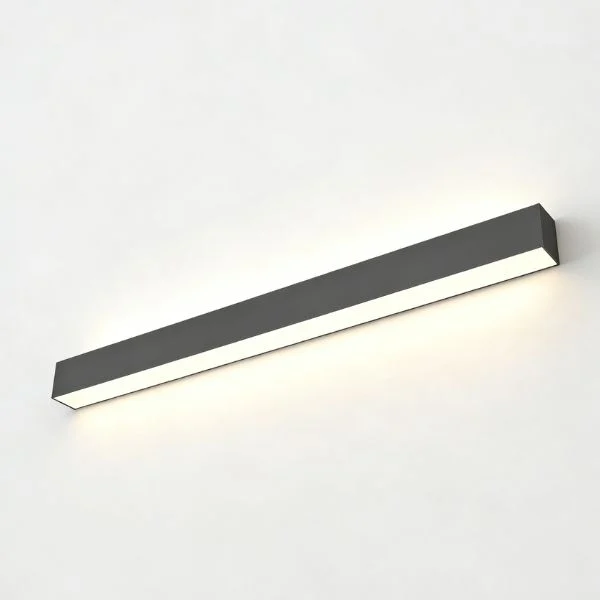
To create striking visual depth, we use silhouetting and backlighting. By placing LED architectural fixtures directly behind an object or structural feature, the subject is rendered dark against a glowing background. This draws the eye, emphasizes outlines, and adds a layer of dramatic contrast. For floating panels or architectural screens, integrating wall-mounted linear light fixtures behind the structure delivers a perfect, seamless halo effect.
Cove Lighting
Cove lighting directs light upward toward the ceiling from a hidden ledge, valance, or recess. This indirect lighting approach softens the overall ambiance and creates the distinct illusion of higher ceilings. A precise cove lighting installation eliminates harsh shadows and provides a gentle, ambient glow that elevates the entire structural feel of the room without exposing the light source.
Crucial Technical Considerations for Designers
In my experience with architectural lighting design, the magic happens when aesthetic vision meets technical precision. You cannot create a compelling space without understanding the hard numbers behind the light. Here are the core technical metrics I always prioritize to ensure the environment performs exactly as intended.
Correlated Color Temperature (CCT) and Mood
Correlated color temperature (CCT) dictates the warmth or coolness of your light, fundamentally altering how a room feels and functions.
- Warm Tones (2700K – 3000K): Create an inviting, relaxed atmosphere. Perfect for hospitality, restaurants, and residential living areas.
- Neutral to Cool Tones (3500K – 4000K+): Promote alertness, clarity, and focus. Ideal for corporate offices, hospitals, and task-heavy zones.
Color Rendering Index (CRI): Non-Negotiable for Premium Spaces
The color rendering index (CRI) measures how accurately a light source reveals the true colors of objects compared to natural sunlight. I never compromise on this metric. For high-end retail, art galleries, or luxury homes, a CRI of 90 or above is mandatory. It ensures wood grains look rich, fabrics pop, and skin tones appear natural under your LED architectural fixtures.
Beam Angles, Optics, and Glare Reduction
Directing light precisely is what separates professional architectural lighting design from basic illumination. The beam angle determines the spread of the light source, allowing you to control visual hierarchy.
- Narrow Beams (15° – 24°): Punchy, focused light for highlighting specific artwork, tables, or architectural textures.
- Wide Beams (40°+): Broad, even coverage for general ambient lighting.
High-quality optics are essential for effective glare reduction. When specifying fixtures like a compact 2″ architectural pendant light, utilizing deep-recessed lenses or specialized reflectors ensures the light hits the target surface perfectly without blinding the people in the room.
Quick Technical Reference Guide
| Metric | What It Measures | Ideal Range (General) | Primary Benefit |
|---|---|---|---|
| CCT | Light color appearance (Warm/Cool) | 2700K – 4000K | Sets the psychological mood of the space |
| CRI | Color accuracy | 90+ | Ensures vibrant, true-to-life colors |
| Beam Angle | Light spread | 15° to 60°+ | Controls focus and coverage area |
| UGR | Unified Glare Rating | < 19 | Maximizes visual comfort and reduces eye strain |
Applications Across Different Environments
Effective architectural lighting design adapts to the unique demands of every space. We approach each environment with a specific strategy, ensuring the lighting serves both the people using the space and the architecture itself.
Commercial Spaces
In business environments, commercial lighting solutions must balance brand identity with employee productivity. The right setup reduces eye strain and naturally guides customer flow. For instance, when planning retail layouts, optimizing grocery store lighting directly impacts customer dwell time and overall return on investment. We focus on glare reduction and consistent illumination to keep these high-traffic spaces functional and visually engaging.
High-End Residential
Luxury homes require highly flexible interior illumination. We layer ambient and task lighting to create adaptable living areas that seamlessly shift from bright, energetic spaces during the day to warm, relaxing retreats at night. By utilizing concealed fixtures and intuitive lighting control systems, we allow homeowners to alter the spatial perception and mood of a room instantly.
Exterior and Landscape
Exterior facade lighting highlights structural features while ensuring property safety. We use precise beam angles to wash exterior walls, highlight landscaping, and illuminate pathways. For transitional zones and egress routes, integrating durable fixtures like a reliable wall-mounted stairwell light guarantees safe navigation without disrupting the building’s nighttime aesthetic.
Environment Application
| Environment | Primary Objective | Key Lighting Techniques |
|---|---|---|
| Commercial | Productivity & Brand Identity | Linear profiles, glare reduction, high CRI |
| Residential | Luxury & Adaptability | Layered ambient and task lighting, smart controls |
| Exterior | Safety & Facade Highlighting | Wall grazing, silhouetting, weather-rated fixtures |
The Future of Architectural Lighting: Trends and Sustainability
The landscape of architectural lighting design is shifting rapidly. Today, we are moving beyond simple illumination to create environments that are intelligent, highly efficient, and deeply connected to human well-being. The future of the industry is defined by the seamless blending of cutting-edge technology with minimalist aesthetics to achieve truly sustainable lighting design.
Smart Lighting and Automation
Modern spaces demand intelligent infrastructure. By integrating IoT (Internet of Things) technology and daylight harvesting, we can drastically reduce energy consumption while maintaining optimal light levels.
- Daylight Harvesting: Sensors detect natural sunlight and automatically dim artificial lights to save energy.
- Lighting Control Systems: Advanced network controls allow facility managers to monitor usage, set schedules, and adjust lighting zones from a centralized dashboard.
Human-Centric Lighting
The focus has shifted toward how light impacts our biology. Human-centric lighting utilizes tunable white LED technology to mimic the natural progression of daylight. By adjusting the correlated color temperature (CCT) from crisp, cool blues in the morning to warm, relaxing ambers in the evening, we support natural circadian rhythms. This approach directly enhances focus, mood, and overall spatial perception in both commercial and residential environments.
Minimalist Fixtures and Linear Profiles
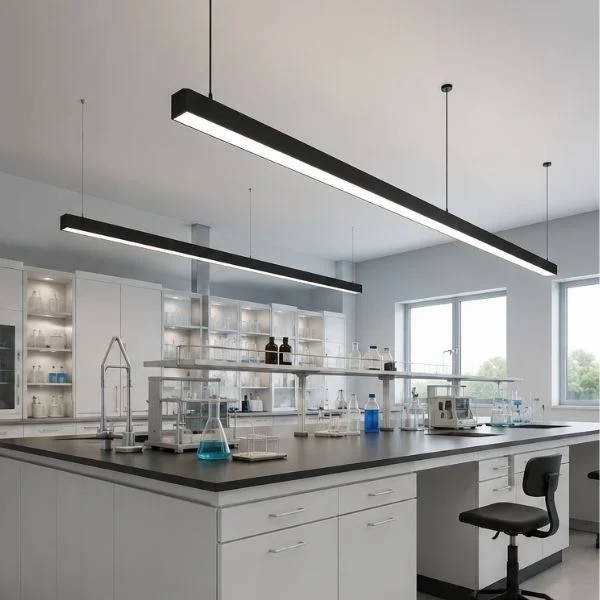
Aesthetically, the trend is moving toward “quiet ceilings” and invisible light sources. We are seeing a massive demand for micro-aperture downlights and ultra-slim profiles that deliver high performance without visual clutter. Integrating sleek commercial suspended linear light fixtures provides continuous, glare-free illumination that complements modern architecture. For spaces requiring a more dynamic visual impact, utilizing a Y-shape modular linear light allows designers to build striking, geometric ceiling patterns that serve as both functional lighting and architectural art.
FAQs About Architectural Lighting Design
I often get asked specific technical questions regarding how to implement architectural lighting design effectively. Here are the most common queries I encounter from clients and designers looking to optimize their spaces.
What is the difference between interior design and architectural lighting?
While interior design focuses on the aesthetics of furniture, color palettes, and decor, architectural lighting design is about the integration of light into the building’s structure. I focus on how light interacts with surfaces, spatial perception, and the physical form of the architecture itself, rather than just choosing a decorative lamp.
How do I calculate the right amount of light for a commercial space?
Calculating the proper illumination involves determining the required foot-candles or lux based on the specific activity. For instance, designing commercial restaurant lighting requires a delicate balance between low-level ambient light for mood and high-intensity task light for kitchens and POS stations. I use professional modeling software to ensure the light levels meet safety standards without over-lighting the environment.
Can architectural lighting improve energy efficiency?
Absolutely. Modern architectural lighting relies heavily on high-efficiency LED fixtures and smart control systems. By using daylight harvesting and occupancy sensors, I can significantly reduce energy consumption. Sustainable design isn’t just about the bulbs; it’s about placing light exactly where it’s needed and nowhere else.
What are the best fixtures for highlighting wall textures?
To bring out the depth in stone, brick, or timber, I recommend wall grazing. This is best achieved using linear LED fixtures or a high-quality direct-indirect wall light placed close to the surface. This narrow beam angle creates shadows that emphasize the physical texture of the wall.
- Key Takeaways for Projects:
- Prioritize CRI: Always choose fixtures with a Color Rendering Index of 90+ for premium spaces.
- Layer the Light: Never rely on a single source; combine ambient, task, and accent layers.
- Control is King: Use dimming systems to adapt the mood throughout the day.
STAY IN THE LOOP
Subscribe to our free newsletter.
Leave A Comment
Ever feel like those harsh, buzzing fluorescent lights are actively [...]
The Architectural Demands of Modern Open Office Lighting Designing an [...]
Finding the perfect commercial lighting shouldn’t feel like a guessing [...]