If you’re aiming to elevate your space with the perfect blend of function and style, architectural lighting holds the key. Understanding the types of architectural lighting isn’t just about brightness — it’s about shaping moods, highlighting features, and enhancing usability. Whether it’s ambient lighting for overall illumination or accent lighting that makes your design pop, mastering these categories will transform any project. Ready to unlock the full potential of light in architecture? Let’s dive in.
What Is Architectural Lighting?
Definition of Architectural Lighting Design
Architectural lighting design is the strategic use of light to enhance the functionality, aesthetics, and mood of a built environment. It involves carefully planning and selecting various lighting types, fixtures, and placements to complement the architectural features of a space. Unlike simple illumination, architectural lighting integrates both technical and artistic elements, ensuring that light works harmoniously with design elements to achieve a cohesive visual experience.
The Purpose and Role of Light in Architecture
Light plays a vital role in architecture, influencing how spaces are perceived and experienced. It serves multiple purposes:
- Enhances Visibility: Ensures safety and functionality by illuminating spaces effectively.
- Defines Space: Shapes and emphasizes architectural forms and textures.
- Creates Atmosphere: Sets mood and tone through brightness, color, and contrast.
- Highlights Features: Draws attention to key design elements, artworks, or products.
- Supports Well-being: Influences occupant comfort and circadian rhythms by simulating natural light patterns.
In essence, architectural lighting transforms spaces, making them more inviting, functional, and visually compelling.
Primary Types of Architectural Lighting
Architectural lighting comes in several main types, each serving a specific purpose to enhance spaces efficiently. Here’s a quick guide to the primary types:
Ambient Lighting for General Illumination
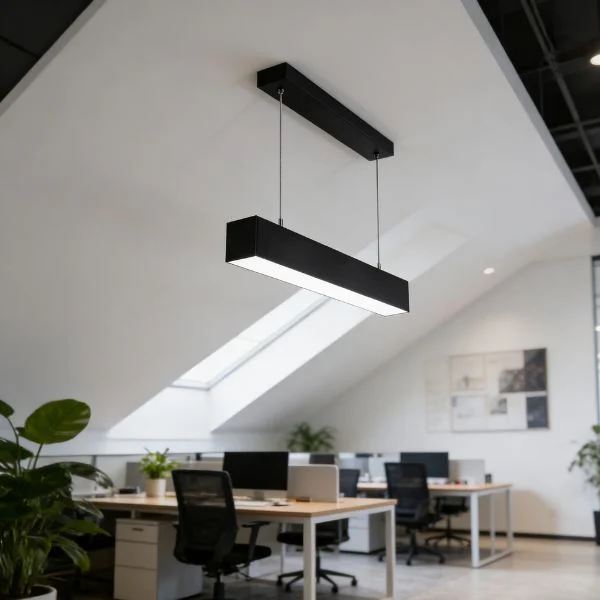
This is the base layer of lighting that provides overall brightness for a space. It ensures safe and comfortable visibility without focusing on any specific area. Common sources include ceiling-mounted fixtures, recessed lights, and LED panels that evenly light rooms.
- Creates a uniform light level
- Sets the mood without glare
- Supports daily activities easily

Task Lighting for Focused Activities
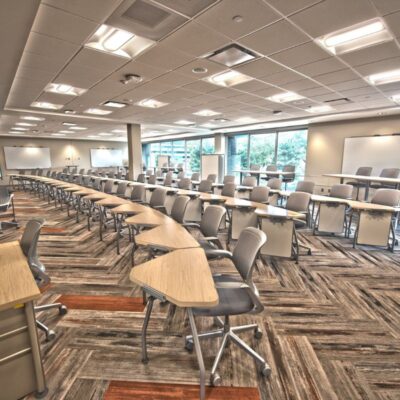
Task lighting zooms in on areas where precise activities happen, like reading, cooking, or working at a desk. It reduces eye strain by increasing brightness at key spots.
Examples include:
- Desk lamps
- Under-cabinet kitchen lights
- Adjustable wall sconces
Accent Lighting for Highlighting Features
Accent lighting draws attention to architectural details, artwork, or decorative elements. It adds depth and drama by creating contrast through focused beams or directional fixtures.
Uses of accent lighting:
- Illuminating a textured wall
- Highlighting sculptures or plants
- Emphasizing built-in shelves
Decorative Lighting for Visual Aesthetics
While decorative lighting provides some illumination, its main goal is to boost visual appeal. These fixtures often become a statement piece that complements the architectural style.
Common types:
- Chandeliers
- Pendant lights
- Artistic wall fixtures
| Lighting Type | Purpose | Typical Fixtures | Key Benefit |
|---|---|---|---|
| Ambient | General room lighting | Ceiling lights, LEDs | Even, comfortable brightness |
| Task | Focused activity light | Desk lamps, under-cabinets | Reduces eye strain |
| Accent | Highlights features | Spotlights, track lights | Adds drama and depth |
| Decorative | Enhances aesthetics | Chandeliers, pendants | Visual appeal and style |
For designers, selecting the right mix of these lighting types is crucial to create functional, inviting spaces. Using efficient linear LED lighting fixtures can help balance all types effectively, especially in commercial and modern architectural projects.
Essential Architectural Lighting Terminology
Understanding Lumens, Watts, and Energy Efficiency
In architectural lighting, lumens measure the actual brightness of a light source — the higher the lumens, the brighter the light. Watts indicate the power consumption, not brightness, so energy-efficient lighting aims to deliver more lumens per watt. For sustainable designs, choosing fixtures with high lumens and low wattage is key to cutting energy costs without sacrificing illumination.
Color Temperature and Color Rendering Index (CRI)
Color temperature is measured in Kelvins (K) and describes the light’s color tone, ranging from warm yellows (around 2700K) to cool blues (5000K+). Selecting the right temperature sets the mood and complements the space’s architecture. The Color Rendering Index (CRI) rates how true colors appear under the light — a CRI closer to 100 means colors look natural, which is crucial for highlighting materials and finishes accurately.
Illuminance and Beam Spread
Illuminance measures how much light falls on a surface, typically in lux or foot-candles, helping designers ensure areas get enough light for their function. Beam spread describes the angle of light emitted from a fixture, affecting how light is distributed across surfaces. Understanding these helps tailor lighting layouts, whether using focused task lighting or broad ambient illumination. For precision and style, products like surface-mounted curved linear fixtures provide versatile beam spreads ideal for contemporary spaces. You can explore options such as a surface-mounted curved linear light that combines energy efficiency with customizable beam spread.
Common Applications for Architectural Lighting
Commercial and Public Buildings
Architectural lighting plays a critical role in commercial and public buildings by enhancing visibility, safety, and aesthetics. In offices, retail spaces, and government buildings, lighting is carefully designed to support activities and create inviting environments. For example, ambient lighting using efficient solutions like 2×2 LED drop ceiling lights provides even general illumination that reduces eye strain and promotes productivity. Accent lighting may highlight artwork or architectural details, while task lighting ensures proper light levels for specific functions such as reading or working on a computer.
Streetscapes, Campuses, and Urban Design
Lighting design in streetscapes and large campuses is essential for safety, navigation, and enhancing the character of public spaces after dark. Good architectural lighting here balances function with style—illuminating sidewalks, signage, and building facades to guide people while preserving a sense of place. Effective coupling of ambient and accent lighting can significantly improve the aesthetics of urban environments, making streets and parks more welcoming and boosting nighttime usability.
Outdoor and Bollard Lighting
Outdoor architectural lighting covers a broad area including pathways, gardens, and parking facilities. Bollard lighting is a popular choice to provide low-level illumination along walkways without causing light pollution or glare. It delivers subtle ambient lighting that maintains safety while complementing landscape design. For more focused applications, wall-mounted linear lights or pendant fixtures can be employed to highlight entryways or architectural features, blending functionality with style. Products like the slot 2 wall-mounted linear light offer sleek, energy-efficient solutions that fit outdoor settings perfectly.
By thoughtfully applying these lighting types in various settings, architects and designers can enhance both form and function in public and private spaces.
The Architectural Lighting Design Process
Conceptualizing the Lighting Design Plan
The first step in architectural lighting is a strong concept. This means understanding the space’s purpose and how light can enhance its function and feel. Designers consider the types of architectural lighting needed—ambient, task, accent, or decorative—and plan how each will work together to create the desired atmosphere. They assess natural light sources, building materials, and architectural features to ensure lighting adds value rather than just illumination.
A clear lighting design plan includes goals like improving visibility, highlighting key elements, or setting a mood. Early sketches and 3D models help visualize ideas before moving to the physical setup. This phase is crucial for aligning lighting with architectural style and functionality.
Layout, Execution, and Implementation
Once the design concept is set, the next phase is mapping out the lighting layout. This involves selecting fixtures, positions, and control systems that best suit the space and design goals. Precise placement ensures balanced illumination; poor layout can cause shadows or uneven light.
Execution requires coordination with contractors and electricians to install fixtures according to specifications. It includes wiring, mounting, and testing lighting systems. Controls like dimmers or smart lighting upgrades may be integrated here for efficiency and versatility.
After installation, fine-tuning the lighting—adjusting angles, brightness, and color temperature—is essential to achieve the perfect balance. At this stage, it’s useful to refer to standards for energy efficiency and safety, sometimes detailed in guides like this hospital lighting guide for specific environments.
Successful architectural lighting blends well into the overall design, enhancing functionality and visual appeal while optimizing energy use and maintenance.
Trends and Innovations in Lighting Design
Smart Outdoor Lighting and Controls
Smart outdoor lighting is changing the way we illuminate architecture and public spaces. These systems use sensors and automated controls to adjust light levels based on time of day, motion detection, or ambient light. This not only enhances security and convenience but also improves energy efficiency by reducing wasted light. Integration with mobile apps or building management systems allows for flexible control and maintenance. Products like exterior cylinder lights equipped with smart controls offer practical solutions to modern outdoor lighting needs.
Advancements in LED Technologies
LED technology has revolutionized architectural lighting with its energy efficiency, longevity, and versatility. Recent advancements have improved brightness, color rendering, and customization options, making LEDs ideal for various applications—from ambient room lighting to accentuating key architectural features. LEDs also allow for compact, sleek fixtures such as commercial wall pack lights and linear LED wall lights, which add both function and style without compromising design. These innovations help reduce operating costs and environmental impact, making LED lighting a preferred choice worldwide.
Frequently Asked Questions
What is the difference between architectural and decorative lighting?
Architectural lighting focuses on illuminating spaces to enhance the building’s function and design. It supports visibility, safety, and the mood of a space, using types like ambient, task, and accent lighting. Decorative lighting, on the other hand, is primarily about adding visual appeal. It includes fixtures and elements chosen mainly for their style and artistic impact rather than functional illumination. While architectural lighting integrates seamlessly with the space’s structure and use, decorative lighting serves as an aesthetic highlight.
What does an architectural lighting designer do?
An architectural lighting designer plans and implements lighting solutions that improve how buildings look and function. They assess the space’s needs, decide on lighting types—like ambient, task, accent, and decorative lighting—and select suitable fixtures. Their goal is to balance energy efficiency, visual comfort, and aesthetics. Often, they coordinate designs involving technologies such as recessed lighting or suspended direct-indirect lighting to meet both functional and artistic goals.
What are the key principles of a good lighting plan?
A solid architectural lighting plan focuses on these essentials:
- Functionality: Provide the right light for different activities with ambient, task, and accent layers.
- Comfort: Avoid glare and over-lighting to create a pleasant environment.
- Energy Efficiency: Use energy-saving fixtures and smart controls to reduce consumption.
- Aesthetics: Highlight architectural features through accent and decorative lighting.
- Flexibility: Incorporate adjustable lighting to adapt to changing needs and times of day.
For example, incorporating linear LED pendant lighting or recessed luminaires can bring both efficiency and design appeal to your space.
STAY IN THE LOOP
Subscribe to our free newsletter.
Leave A Comment
Recessed and pendant lighting explained Choosing the right illumination strategy [...]
Anatomy of a Modular LED Lighting System We design every [...]
LED vs. Incandescent Bulbs: What Is the Real Difference? Are [...]