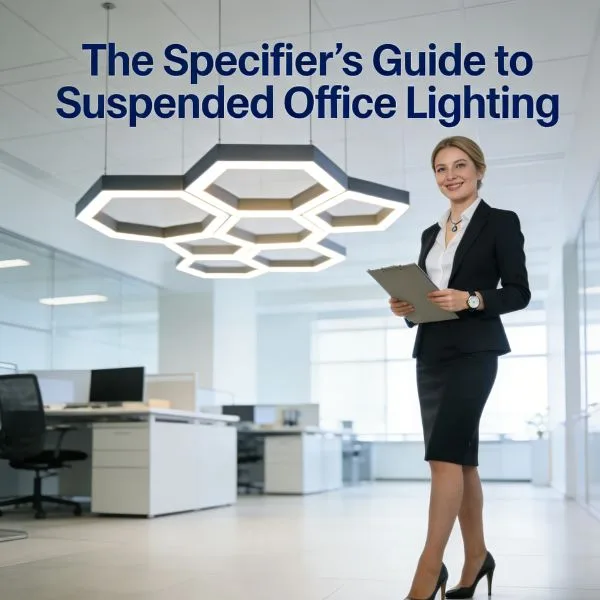
Are you struggling to find the perfect balance between modern design and actual productivity?
Specifying high-performance suspended office lighting is critical for meeting WELL building standards and enhancing occupant productivity.
In this office lights hanging complete guide, you’re going to learn exactly how to select, layout, and install the right fixtures for your space.
Bad lighting kills focus. Proper LED linear pendant lights, on the other hand, reduce eye strain and elevate your office’s aesthetic instantly.
We’ve distilled expert standards, installation secrets, and layout strategies into one actionable resource.
Let’s get to work.
Understanding Hanging Office Lights: Types and Options
Ever walk into an office that feels more like an interrogation room than a creative workspace? It’s almost always down to bad lighting. If you are dealing with eye strain or dark corners, you need a change. In this office lights hanging complete guide, I’m going to break down exactly how suspended fixtures can transform a gloomy room into a productivity powerhouse.
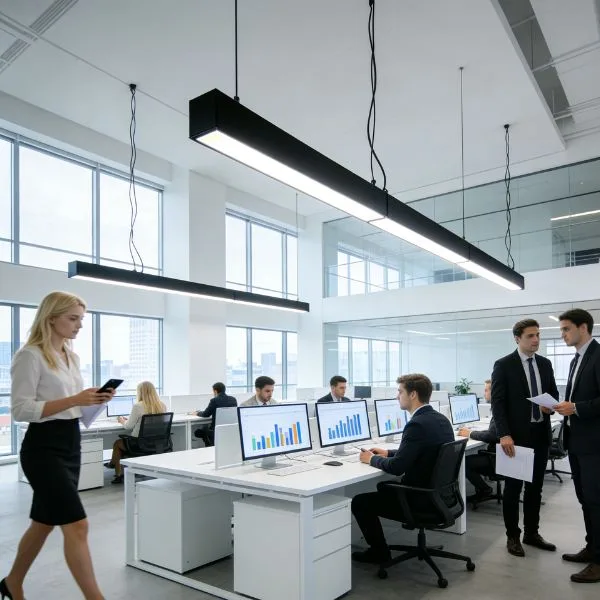
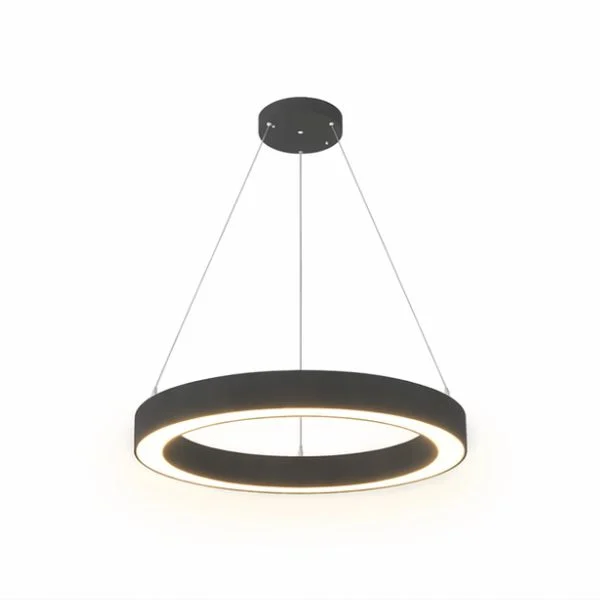
When we talk about suspended office lighting, we are generally looking at two main categories: single pendants and linear fixtures. While single pendants are ideal for accenting reception zones, seamless linkable linear systems are the preferred choice for high-specification workspaces. They ensure architectural continuity and provide the uniform, shadow-free coverage required for large-scale workstation clusters.
Direct vs. Indirect Lighting Distribution
The biggest mistake I see is choosing a fixture that only shoots light downward. To reduce eye fatigue, you need to understand distribution.
| Distribution Type | How It Works | Best Application |
|---|---|---|
| Direct | 100% of light shines down onto the surface. | High-focus task areas; drafting tables. |
| Indirect | Light is directed upward to reflect off the ceiling. | General ambient light; creating a sense of height. |
| Direct/Indirect | A mix (e.g., 70% down, 30% up). | The Gold Standard. Reduces glare on screens while lighting the desk. |
Popular Styles and LED Dominance
Why do LED linear hanging lights dominate contemporary designs? It comes down to versatility and efficiency. Gone are the days of buzzing fluorescent tubes. Today, we focus on:
- Minimalist Linear Profiles: Slim, sleek bars that disappear into the architecture.
- Modular Linkable Systems: These allow you to connect multiple fixtures for a seamless run of light (a specialty of ours at Prillumen Light, ensuring no dark spots between connections).
- Architectural Profiles: Bold statements that act as design centerpieces.
Modern office suspension lighting isn’t just about illuminating a room; it’s about defining the space. Whether you need architectural hanging lights for the office or a simple seamless system, choosing the right type is the first step to fixing your lighting layout.
Would you like me to create the next section on “Key Lighting Standards for Offices,” focusing on lux levels and human-centric lighting?
Key Lighting Standards for Offices
When I select hanging lights for workspace environments, I don’t just look at aesthetics; I look at the metrics that drive performance. Proper lighting isn’t subjective—it’s a calculated necessity for maintaining a high-functioning team. If you ignore these standards, you risk creating an environment that causes eye strain and fatigue.
Here is the breakdown of the critical standards I adhere to for productivity office lighting:
- Lux Levels (Brightness): For general tasks like typing, reading, and meetings, you need a target of 300 to 500 lux at the desk surface. This provides enough illumination to see clearly without being overpowering.
- Color Temperature (CCT): Stick to 4000K to 5000K. This cool white range mimics natural daylight, which suppresses melatonin and boosts alertness. Warm light (3000K) is too relaxing for active work zones.
- Glare Control (UGR): Glare is the enemy of screen work. I always specify anti-glare office pendants with a Unified Glare Rating (UGR) of <19. This ensures the light source doesn’t reflect harshly off computer monitors.
- Flicker-Free Drivers: Invisible flicker can cause migraines. Ensure your linear LED office lights use high-quality drivers that provide a steady stream of light.
Human-Centric and UGR Requirements
Beyond just basic brightness, we need to consider the long-term health of the occupants. Human-centric lighting principles focus on supporting our natural circadian rhythms. This often involves using fixtures that can adjust intensity or spectrum throughout the day, or simply ensuring high CRI (>90) for visual comfort.
When planning your ceiling design, understanding the interplay between fixture placement and glare is vital. To maintain visual comfort while maximizing coverage, I often recommend reviewing specific linear LED lighting layout tips for office spaces to get the spacing right.
Furthermore, achieving that critical UGR <19 often requires specific optical designs. For US architects and designers, choosing the right direct/indirect linear fixtures is the most effective way to balance ambient light with focused task lighting, ensuring the space remains bright yet comfortable.
| Standard | Recommended Value | Impact on Workspace |
|---|---|---|
| Illuminance | 300-500 Lux | optimal visibility for paperwork and screens |
| Color Temp | 4000K – 5000K | Increases focus and energy levels |
| Glare (UGR) | <19 | Prevents eye strain and monitor reflection |
| CRI | >80 (ideally >90) | Accurate color rendering for design tasks |
Would you like me to help you calculate the exact number of fixtures needed based on your office’s square footage and ceiling height?
Planning Your Office Lighting Layout
Getting the layout right is the difference between a energized workspace and a dungeon. When I plan a lighting scheme, I don’t just look at the ceiling; I look at how people work. Whether you are dealing with a sprawling open-plan space or a series of individual offices, the goal is productivity office lighting that eliminates eye strain.
Assessing Your Space
Before drilling any holes, look at your zones. An open-plan area usually requires seamless linkable linear lights to create long, continuous runs of illumination that cover rows of desks evenly. In contrast, individual offices or conference rooms often benefit from standalone architectural hanging lights for office use that act as a focal point.
- Open Plans: Focus on general, uniform coverage.
- Private Offices: Focus on task-oriented placement over the desk.
- Conference Areas: Center the fixture over the table to anchor the room.
Calculating Lumens and Layering
A common mistake is thinking suspended office lighting is the only source you need. The best environments use layering. I always recommend combining your overhead linear LED office lights with recessed cans or desk lamps for flexibility. When we implement our linear pendant lighting options, we calculate the total lumens based on the room’s square footage to hit that sweet spot—bright enough to focus, but not sterile.
Spacing Rules for Shadow-Free Light
Uniformity is key. If your hanging lights for workspace zones are spaced too far apart, you get the “zebra effect”—alternating bright and dark spots on the floor and desks.
- Spacing: Generally, keep the distance between fixtures equal to or less than the mounting height.
- Overlap: Ensure light beams overlap slightly to banish shadows.
- Alignment: Align fixtures parallel to the long edge of rectangular desks to minimize shadowing from the user’s own body.
By following these spacing rules, you ensure a clean, professional look that maximizes the efficiency of your commercial suspended fixtures.
Determining the Perfect Hanging Height and Positioning
Getting the height right for your hanging lights for workspace environments isn’t just about aesthetics; it’s about functionality and safety. If you hang a fixture too low, it obstructs views and creates hotspots. Too high, and you lose the lux levels needed for productivity.
Standard Height Rules for Offices
For most setups, we stick to a few “golden rules” of office pendant height to ensure the space remains comfortable and code-compliant.
- Above the Desk: Position the bottom of the fixture 30 to 36 inches above the work surface. This provides focused task lighting without the fixture feeling oppressive.
- Floor Clearance: Always maintain a minimum of 7 feet of clearance from the floor to the bottom of the fixture in walkways. You don’t want tall employees or clients bumping their heads.
- Ceiling Adjustments: For standard 8-10 foot ceilings, the 30-36 inch rule holds firm. If you have vaulted or exposed industrial ceilings, you may need to drop the fixtures lower to maintain adequate illumination on the desk, or choose higher lumen outputs.
Positioning by Zone
Different areas of the office have different requirements. You can’t just center a light in the room and call it a day.
| Zone | Placement Strategy |
|---|---|
| Individual Workstations | Center pendant lights over desk setups parallel to the monitor. This minimizes shadows cast by the user’s head or hands. |
| Conference Rooms | Hang fixtures slightly higher (36-40 inches above the table) to ensure clear lines of sight between people sitting across from one another. |
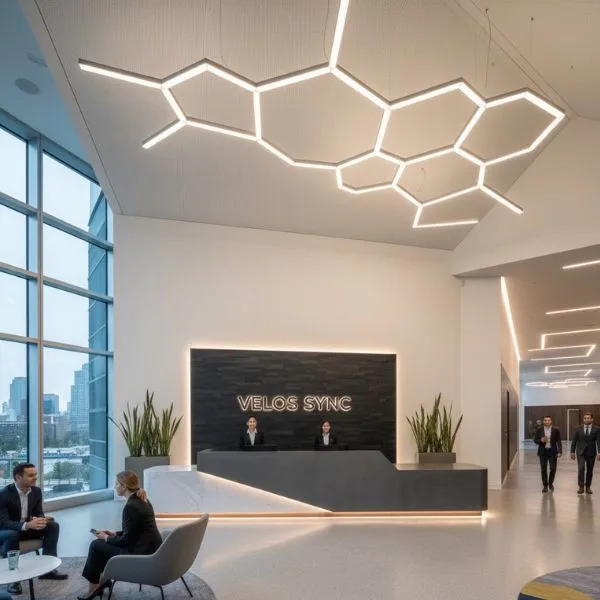
| Reception Areas | Lighting here sets the first impression. A stylish led light reception desk fixture can be hung slightly lower to create intimacy, provided it doesn’t block interaction with the receptionist. |
Avoiding Glare and Obstructions
The biggest mistake I see in DIY installs is ignoring screen glare. Anti-glare office pendants are essential here. If a light is positioned directly behind a user, it will reflect off their monitor.
To fix this, position linear lights slightly in front of or directly above the monitor line, rather than behind the chair. Using a high-quality regressed linear hanging light can also significantly reduce glare due to the recessed light source, which cuts down on harsh side-angles while keeping the aesthetic clean and modern.
Quick Tips for Layout Success
- Check the Sightlines: Sit in the chair before finalizing the height. If the light shines directly in your eyes, raise it up.
- Consider Airflow: Don’t place hanging lights directly under strong HVAC vents, which can cause swaying.
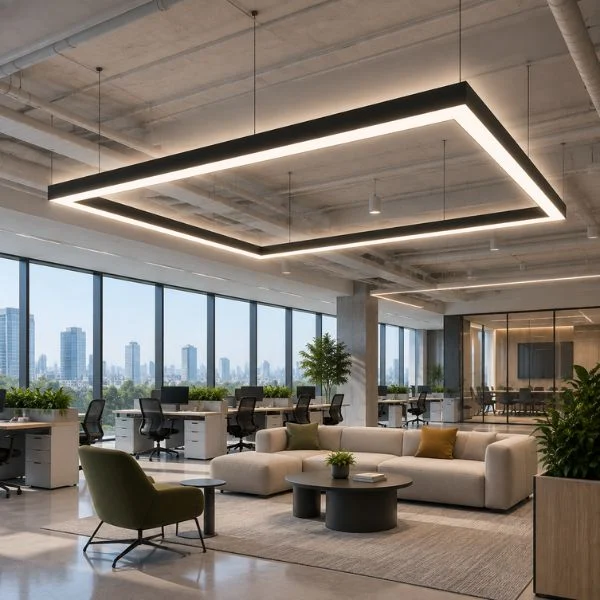
- Visual Balance: In open-plan offices with rows of desks, align your linear lights in continuous runs to create a sense of order and lengthen the room visually.
Would you like me to help you calculate the exact suspension cable length needed based on your specific ceiling height?
Choosing the Right Fixtures: Features to Prioritize
When selecting office lights hanging overhead, you need to look beyond just the shape of the fixture. In a professional US workspace, the technical specifications dictate how comfortable and productive your team will be. I always advise clients to prioritize performance metrics that offer long-term value and visual comfort.
Critical Specifications for Office Pendants
To get the best return on your investment, ensure your architectural hanging lights office setups meet these standards:
- High Color Rendering Index (CRI): Always aim for a CRI >90. This ensures colors look accurate and vibrant, which is crucial for design firms or marketing teams. Lower CRI can make a space feel dull and washed out.
- Energy Efficiency: Look for efficacy ratings between 100-120 lm/W. This sweet spot provides high brightness while keeping energy costs manageable.
- Material Quality: Extruded aluminum profiles are the industry standard. They dissipate heat effectively—extending the LED lifespan—and offer sleek finishes in matte black, white, or silver to match modern interior designs.
Seamless Linkable Linear Lights
One of the biggest trends in commercial lighting is the continuous run. Seamless linkable linear lights allow you to connect multiple fixtures end-to-end without visible breaks or “dark spots” in the illumination. This is essential for creating clean, uninterrupted lines of light over long conference tables or rows of desks.
For example, our 2.75″ LED pendant linear lights utilize advanced seamless connection technology, ensuring continuous illumination that looks like a single, custom-built fixture rather than disjointed parts.
| Feature | Standard Option | Recommended Spec | Benefit |
|---|---|---|---|
| CRI | 80 | >90 | Accurate colors, less eye strain |
| Connection | Visible seams | Seamless/Linkable | Premium aesthetic, uniform light |
| Finish | Plastic/Steel | Aluminum Profile | Better heat management, modern look |
| Efficiency | 80 lm/W | 100-120 lm/W | Lower utility bills |
Would you like me to create a checklist for the tools and safety equipment needed for the installation phase next?
Office Lighting Installation Guide
Installing office lights hanging from the ceiling isn’t rocket science, but it demands precision. Whether you are setting up a single pendant over a desk or a continuous run of linear lights in an open-plan office, the goal is a secure, straight, and safe installation. Here is how we approach getting these fixtures up and running.
Tools and Safety First
Before you even touch a wire, turn off the power at the breaker panel. Never rely on just the wall switch. Using a non-contact voltage tester is a non-negotiable step to confirm the lines are dead.
Essential Tools Checklist:
- Laser Level: Critical for aligning linear lights.
- Wire Strippers & Nuts: For secure connections.
- Stud Finder: To anchor heavy fixtures into joists, not just drywall.
- Support Cables: Usually included, but check weight ratings.
Mounting Options: Cables vs. Stems
For modern commercial suspended fixtures, you generally have three mounting choices. Your ceiling type usually dictates the best method:
- Aircraft Cables: The most popular choice for a minimalist look. These thin, adjustable steel cables allow you to fine-tune the height easily, which is perfect for leveling fixtures on uneven ceilings.
- Rigid Stems: These offer a solid, industrial look and prevent the light from swinging in drafty areas, though they are less forgiving if your junction box isn’t perfectly positioned.
- Surface/Canopy Mounts: Used where the power feed meets the ceiling. This covers the J-box and provides a clean transition.
Wiring Basics and Circuit Compatibility
Most modern LED linear pendant lights operate on 120V-277V universal drivers. However, if you are planning to use dimmers (which I highly recommend for office comfort), you need to pay attention to the control wires.
- Standard Dimming (0-10V): Requires two extra low-voltage wires (usually purple and gray/pink) running from the fixture to the wall switch.
- Phase Dimming: Works with standard wiring but requires a compatible driver.
Note on Mixed Layouts: If your lighting plan involves a combination of hanging pendants and 2″ recessed linear light fixtures, verify that your dimmers and circuits are compatible with both fixture types to ensure they dim in unison without flickering.
DIY vs. Professional Installation
If you are hanging a single fixture in a home office, a handy DIYer can handle it. However, for continuous runs where fixtures need to be mechanically linked and perfectly aligned, or for commercial spaces with drop ceilings (T-grid), I strongly suggest hiring a licensed electrician. They ensure the load is balanced and the suspension points comply with local seismic and safety codes.
Next Step
Would you like me to help you calculate the exact number of hanging fixtures needed based on your office’s square footage to hit that 500 lux target?
Integration Tips for Specific Office Zones
Lighting isn’t one-size-fits-all. Different areas of your office have different demands, and getting the hanging lights for workspace environments right means tailoring the approach to what people are actually doing in those zones.
Here is how we integrate suspended lighting across different office layouts:
Workstations and Individual Desks
In open-plan offices or private cubicles, the goal is shadow reduction. You want individual office lighting that illuminates the task at hand without causing eye strain.
- Alignment: Install linear pendants parallel to the desk surface. If you hang them perpendicular, you risk creating harsh shadows when the worker leans forward.
- Fixture Choice: A dedicated 4′ linear pendant light fixture is often the sweet spot for standard desk widths, offering balanced coverage.
- Height: Stick to the 30-36 inch rule above the desk surface to keep the light source out of the direct line of sight while maintaining high lux levels on the keyboard.
Conference Rooms and Collaborative Spaces
These areas require commercial suspended fixtures that are versatile. You need bright light for brainstorming sessions but the ability to dim things down for projector presentations.
- Centering: Center the fixture exactly over the conference table. For long tables, use a continuous run of seamless linkable lights to match the table’s length.
- Controls: Always wire these circuits with 0-10V dimmers.
- Aesthetics: This is usually the showpiece room. Choose architectural profiles that match your brand’s identity.
Reception and Breakout Areas
This is where your office makes its first impression. Lighting here should be inviting rather than strictly utilitarian.
- Statement Pieces: Use a stylish LED light reception desk pendant setup to create a focal point immediately upon entry.
- Breakout Zones: Use warmer color temperatures (around 3500K-4000K) here to help employees relax and separate “work mode” from “rest mode.”
Home Offices: Video Call-Friendly Placement
With remote work being a staple in the US, your home office setup needs to look good on camera.
- Face Illumination: Avoid placing pendant lights over desk areas directly above your head, as this creates “raccoon eye” shadows. Position the light slightly in front of your monitor line to illuminate your face evenly.
- Style & Function: We recommend high-CRI LED workspace lighting to ensure you look natural on video calls while keeping the aesthetic clean and modern for your home environment.
Would you like me to help you calculate the exact number of fixtures needed for your specific room dimensions?
Maintenance, Energy Savings, and Upgrades for Suspended Office Lighting
Keeping your office lights hanging properly isn’t just about the initial install; it’s about maintaining that clean, professional look and maximizing efficiency over time. I always tell business owners that commercial suspended fixtures are a long-term asset, not a disposable consumable.
Maximizing Lifespan and Energy Efficiency
The shift to LED linear pendant lights has completely changed the maintenance game. Unlike old fluorescent tubes that needed constant replacing, high-quality LEDs offer a lifespan exceeding 50,000 hours. That is roughly 15 to 20 years of typical office use without a single “bulb” change.
Here is why making the switch or maintaining your current modern office suspension lighting pays off:
- Drastic Energy Cuts: Our fixtures ensure Title 24 and ASHRAE energy code compliance, delivering high efficacy (120 lm/W) to minimize the building’s operational carbon footprint
- Lower Cooling Costs: Since LEDs emit very little heat, your HVAC system doesn’t have to work as hard to combat the heat load from overhead lights.
- ROI: The initial cost is recouped quickly through lower utility bills and eliminated replacement labor costs.
Routine Maintenance and Troubleshooting
Even the best productivity office lighting needs a little care to maintain peak performance. Dust accumulation on the lens can significantly reduce lumen output, making the office feel dimmer than it actually is.
Simple maintenance checklist:
- Cleaning: Wipe down the aluminum profiles and diffusers with a dry, microfiber cloth every 3–6 months. Avoid harsh chemicals that can yellow the lens.
- Check Connections: If you are using seamless linkable linear lights, occasionally check the joining points to ensure no gaps have formed due to building vibrations.
- Fixing Flicker: If you notice flickering, it is rarely the LED chip itself. It is usually a compatibility issue between the LED driver and the dimmer switch. Ensure your wall controls are 0-10V compatible if that’s what your fixture requires.
Future-Proofing with Smart Upgrades
If you are planning an upgrade, don’t just replace the fixture—upgrade the functionality. Integrating smart controls like occupancy sensors or daylight harvesting can further reduce energy waste.
For open-plan offices struggling with noise, you can even upgrade to acoustic linear lighting solutions that combine high-performance illumination with sound-absorbing materials. This solves two problems—lighting and noise—with a single suspended installation.
Would you like me to create a quick checklist for inspecting your current electrical setup before ordering new fixtures?
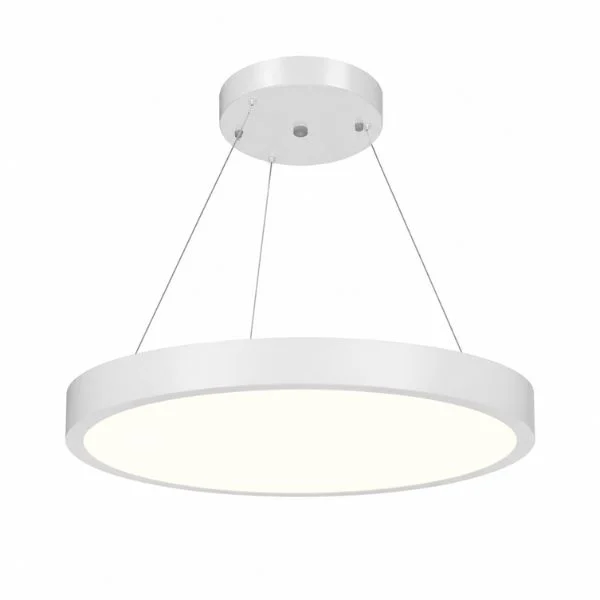
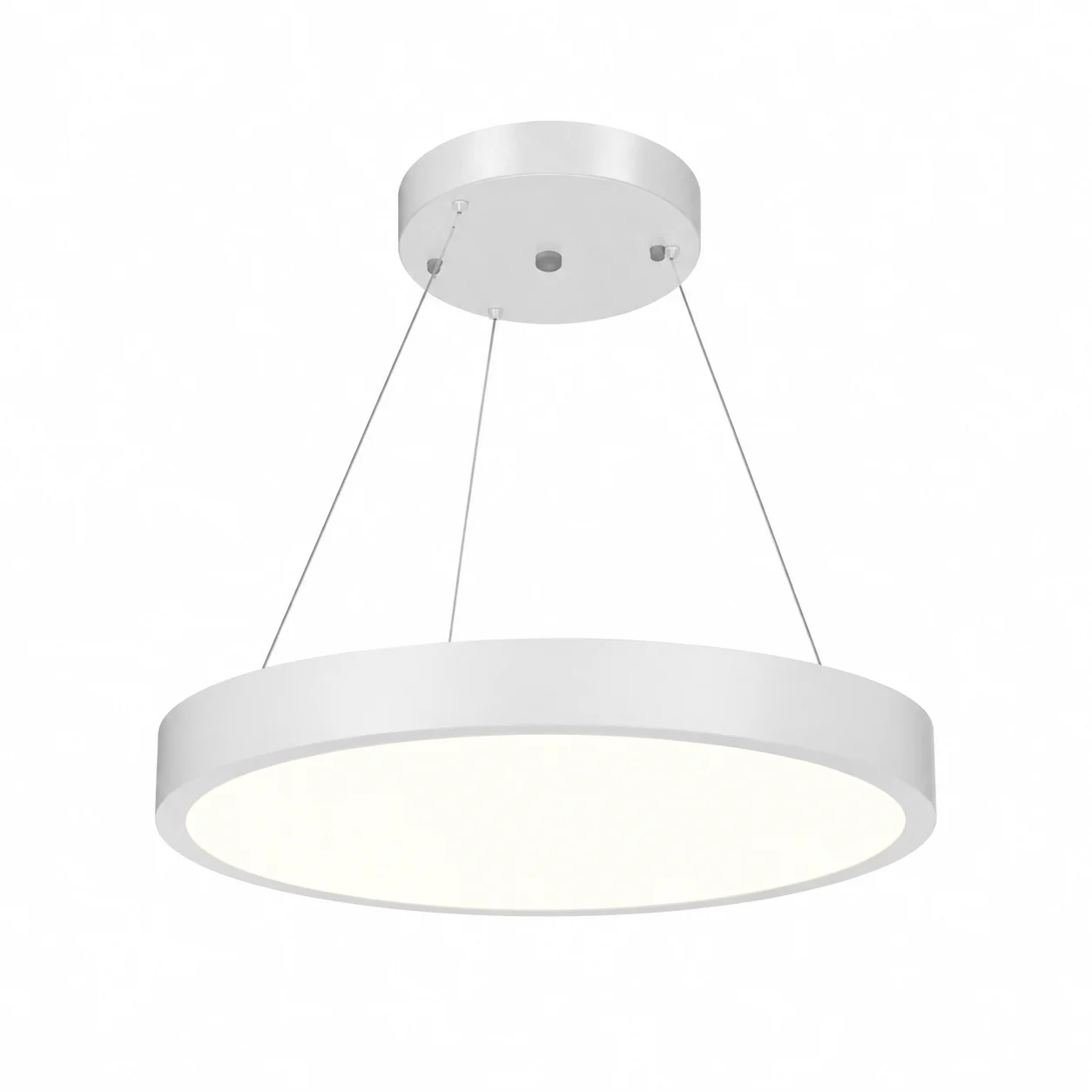
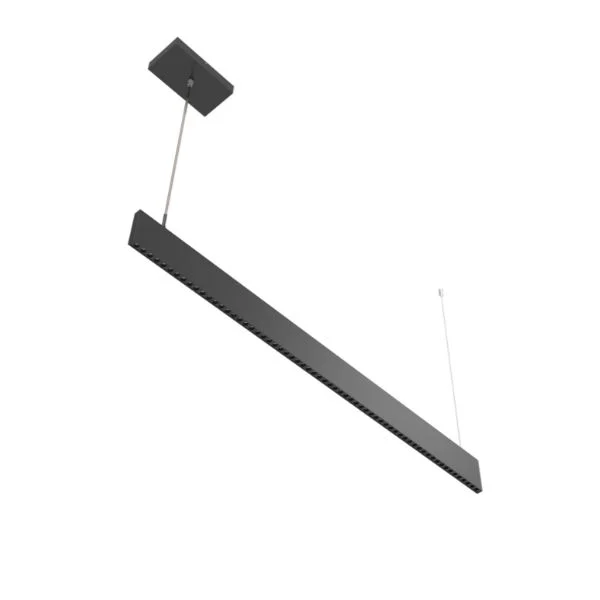
Review The led workspace lighting from Factory




STAY IN THE LOOP
Subscribe to our free newsletter.
Leave A Comment
Recessed and pendant lighting explained Choosing the right illumination strategy [...]
Anatomy of a Modular LED Lighting System We design every [...]
LED vs. Incandescent Bulbs: What Is the Real Difference? Are [...]