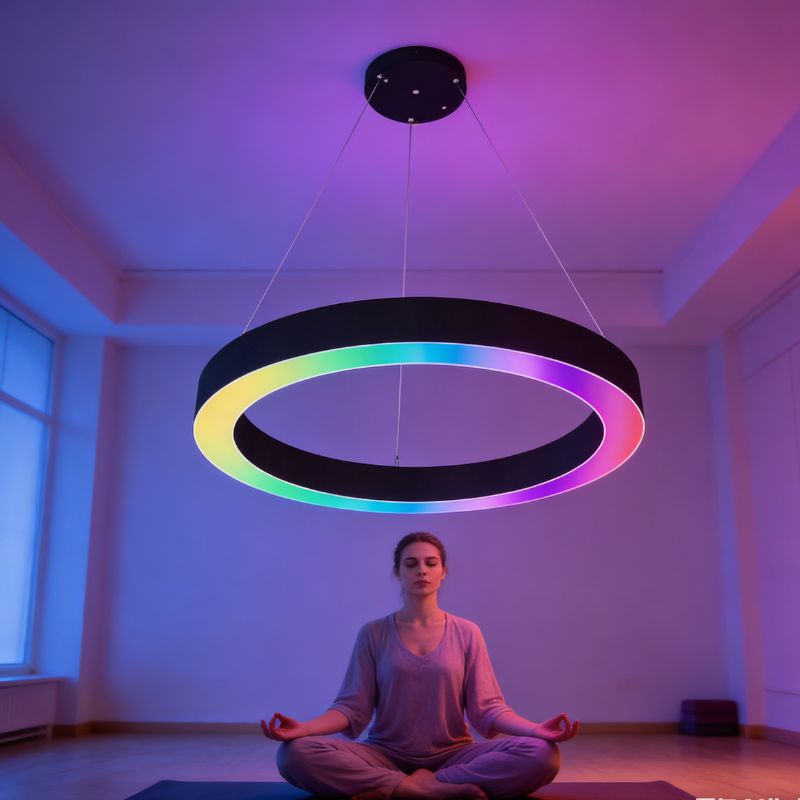
Dynamic LED lighting is transforming the way architects and designers illuminate building exteriors. But when it comes to RGB vs RGBW vs RGBCW for architectural lighting projects, which technology truly delivers the best blend of color vibrancy, pure white light, and versatility? Whether you’re working on a facade, landmark, or commercial installation, choosing the right lighting system affects not just aesthetics but performance and energy efficiency. In this guide, you’ll get clear, expert insights to help you decide which LED solution aligns best with your project needs—cutting through the noise to what really matters for professional architectural illumination.
Understanding RGB Lighting
RGB lighting is one of the most common methods used in architectural lighting. It works through additive color mixing, combining red, green, and blue LED channels to create a wide spectrum of colors. By adjusting the intensity of each channel, RGB LED architectural lighting delivers vibrant and dynamic color-changing effects that are perfect for making buildings stand out during events or seasonal displays.
Strengths of RGB lighting include:
- Wide range of vivid colors
- Energy-efficient color mixing with just three channels
- Cost-effective for color-focused installations
However, RGB systems have notable limitations when used in architectural applications. One key drawback is their inability to produce a pure, bright white light. The white that results from mixing red, green, and blue is often dull or tinted, which impacts the quality of white facades or pastel shades. Additionally, RGB lighting tends to have lower brightness for softer colors, making it less ideal for projects requiring natural-looking illumination or clean white light.
For those considering LED facade lighting comparison, it’s important to understand that while RGB excels at colorful visuals, it falls short when architectural lighting demands crisp, functional white light alongside color effects.
Exploring RGBW Lighting
RGBW lighting adds a dedicated white channel to the standard red, green, and blue LEDs, usually fixed at a color temperature between 4000K and 6000K. This addition allows it to produce a brighter and purer white light compared to basic RGB systems. With RGBW, you get better pastel shades and a higher overall lumen output, making colors more vivid and whites more natural.
In architectural lighting, RGBW fixtures shine in applications like accent lighting and simple facade washes where a clean white light is needed alongside vibrant colors. This makes it a popular choice for projects aiming to highlight architectural features with both color and crisp white illumination, especially on surfaces like stone or metal.
For versatile and efficient facade lighting solutions, consider options like prillumen light’s recessed linear lights, which offer RGBW capabilities tailored for modern architectural needs.
Delving into RGBCW (or RGB + CCT) Lighting
RGBCW lighting combines traditional RGB channels with adjustable white channels, typically warm white (~2700K) and cool white (~6500K). This setup offers full color temperature tunability, allowing you to shift seamlessly from cozy, warm tones to crisp, cool daylight—all in one fixture.
The big advantage here is superior color rendering index (CRI), which means the light shows surfaces and materials in their truest, most natural colors. For architectural lighting, this means your building’s stone, glass, and metal features look vibrant and authentic under all lighting conditions.
RGBCW stands out because it mimics natural daylight variations. It’s perfect for dynamic building exteriors that need flexible lighting—imagine shifting from bright functional white during the day to vibrant color shows in the evening. This tunable white LED exterior lighting is becoming the go-to choice for architects and designers aiming for both functionality and stunning visual effects.
For practical applications, you’ll often find RGBCW in high-end facade projects where the goal is to combine everyday illumination with dramatic color-changing building illumination. If you’re interested in fixtures that support this level of versatility with reliable weather resistance, exploring wet location lighting fixtures is a smart step for outdoor architectural setups.
By integrating RGBCW lights, you’re future-proofing your project with energy-efficient, dynamic architectural lights that deliver excellent brightness, color accuracy, and adaptability for any facade or exterior wall washing.
Key Differences: RGB vs. RGBW vs. RGBCW
When choosing between RGB, RGBW, and RGBCW for architectural lighting, it’s crucial to understand their core differences in channels, white quality, brightness, and control complexity. Here’s a quick rundown with a comparison table:
| Feature | RGB | RGBW | RGBCW |
|---|---|---|---|
| Channels | Red, Green, Blue (3) | RGB + fixed white (4) | RGB + tunable white (warm & cool) (5-6) |
| White Quality | Poor pure white, bluish | Better white; fixed CCT (~4000K-6000K) | Best white; adjustable warm (~2700K) to cool (~6500K) |
| Color Accuracy | Good for saturated hues | Improved pastel tones | Excellent, high CRI for natural effects |
| Brightness | Moderate, limited white | Higher overall lumen output | Highest brightness with vivid colors + tunable white |
| Control Complexity | Simple (3 channels) | Moderate (4 channels) | Advanced (5-6 channels) with adjustable CCT |
| Chip Types | Typically 4-in-1 LEDs | 5-in-1 LEDs | 5 or 6-in-1 LEDs for multiple whites |
| Power Consumption | Lower overall | Higher due to white LED | Highest, but more efficient with tunable white control |
| Heat Management | Easier due to fewer LEDs | Requires better heat dissipation | Most demanding; quality fixture design needed |
| Performance on Materials | Colors can appear harsh on stone or glass, limited whites | Better on stone and metal due to purer white | Best for all surfaces with natural, high-CRI light |
Real Conditions: Color on Stone, Glass, and Metal
- RGB: Strong, saturated colors but can struggle with producing pure white needed for natural-looking facades. Whites often look bluish, impacting material appearance.
- RGBW: The dedicated white channel improves facades with white washes and soft pastels, improving how colors blend on glass and stone surfaces.
- RGBCW: Offers nuanced white light with adjustable color temperature, bringing out textures and details on stone, metal, or glass with superior clarity—perfect for dynamic architectural lighting.
This technical breakdown shows why RGBCW tunable white LED solutions are often preferred for premium architectural projects, balancing strong color effects with natural white tones and excellent dimming control.
Advantages of Each System in Architectural Applications
When choosing between RGB vs RGBW vs RGBCW for architectural lighting projects, each system has its own strengths depending on your goals and budget.
- RGB: This is the most budget-friendly option, ideal for projects focused purely on vibrant color effects without the need for quality white light. Perfect for event-based or seasonal lighting where dynamic color changing building illumination is the priority.
- RGBW: Adds a dedicated white LED channel, delivering brighter and purer white light alongside colors. This makes RGBW great for mixed-use facades where you need clean, functional white light for daily use combined with colorful accents. It also improves pastel color brightness and overall lumen output, making it suitable for outdoor RGBW floodlights and accent facade lighting.
- RGBCW: This system offers the highest versatility with adjustable white channels (warm and cool white). It provides tunable white LED exterior lighting, superior color rendering (high CRI), and seamless transitions from vibrant colors to natural-looking white light. RGBCW is perfect for premium architectural projects requiring both dynamic color effects and high-quality, functional illumination — like dynamic architectural lights on building exteriors that mimic natural daylight changes.
Energy Efficiency and Longevity
- RGB and RGBW systems are generally simpler and slightly more energy-efficient due to fewer LED channels.
- RGBCW systems, while more complex, often incorporate advanced chip technology leading to better heat management and longer lifespan.
- Investing in RGBCW can lead to long-term energy savings and maintenance benefits, especially when paired with smart control systems for optimized performance.
For projects aiming for quality white light combined with dynamic colors, considering lighting options like RGBCW systems can provide a future-proof and energy-efficient solution, enhancing both aesthetics and function. Check out prillumen light’s architectural LED options for reliable and customizable lighting solutions.
Which Is Better for Architectural Lighting Projects?
There’s no one-size-fits-all answer when deciding between RGB, RGBW, and RGBCW for architectural lighting. It really boils down to your project’s goals—whether you need purely decorative color effects or functional, high-quality illumination.
For most projects aiming for both dynamic color and excellent white light, RGBCW often stands out. Its tunable white capability offers superior color quality and flexibility, making it future-proof as lighting needs evolve. Plus, with RGBCW, you get the best of both worlds: vibrant colors and natural, adjustable white light that adapts to different times of day or events.
Real-world installations using prillumen light’s RGBCW exterior solutions showcase how this system enhances facades with smooth color transitions and outstanding energy efficiency. When choosing the right system, key factors include budget constraints, control compatibility (like DMX or DALI systems), IP ratings for outdoor durability, and integration with smart building technologies.
For projects needing reliable, color-rich lighting with high CRI and tunable CCT, exploring prillumen light’s RGBCW options is a smart move. Their exterior cylinder lights are a great example of RGB-driven architectural solutions built for quality and performance.
Considerations for Implementation
When planning architectural lighting projects using RGB, RGBW, or RGBCW systems, several practical factors come into play to ensure smooth installation and long-term performance.
Control and Compatibility
Choosing the right controllers and software is crucial. Most modern setups use DMX or DALI protocols to manage color, brightness, and zoning efficiently. Ensuring your control system supports the specific LED type—whether RGBW facade lights or RGBCW wall washers—makes for seamless operation and easy integration into smart building platforms.
Installation Tips
- Facade lighting: Proper spacing and mounting height help achieve uniform washes and dynamic effects without hotspots.
- Wall grazing: Focus on low-glare fixtures like linear LED lights for subtle texture highlights.
- Floodlighting: Use outdoor-rated, weather-resistant units with appropriate IP ratings to withstand US climate conditions.
For linear facade solutions with outstanding design flexibility, products like the Slot 4 wall-mounted linear light are excellent choices to consider.
Cost Breakdown
- Initial investment: RGBCW systems often cost more upfront due to their complexity, while RGB setups are generally more budget-friendly.
- Long-term savings: Tunable white LEDs (like RGBCW) can improve energy efficiency and reduce maintenance by offering optimal light output and better color rendering, decreasing the need for supplemental lighting.
Environmental Factors
- Weather resistance: Make sure fixtures have the proper IP ratings to endure rain, snow, and temperature changes common across the US.
- Glare control: Minimizing glare keeps buildings visually appealing without disturbing neighbors or traffic.
- Light pollution: Use smart zoning and dimming features to meet local regulations and promote eco-friendly lighting practices.
By balancing these considerations, you can select the right LED facade lighting system tailored to your project’s goals and local conditions.
Case Studies and Recommendations from prillumen light
At prillumen light, we’ve seen firsthand how RGBCW lighting transforms architectural projects. One standout example is our use of RGBCW wall washers on commercial building facades, where dynamic color changing building illumination combined with tunable white LED exterior lighting created stunning daytime and nighttime effects. Clients praised the seamless shift from vibrant colors to natural, high CRI white light that perfectly showcased stone and glass materials without color distortion.
Our installations, like the Regressed Linear Hanging Light, demonstrate the energy-efficiency and ambiance versatility RGBCW offers. These projects benefit from superior color rendering and adjustable CCT, making buildings feel more inviting while reducing overall energy consumption compared to traditional RGBW or RGB systems.
Whether for outdoor RGBW floodlights to highlight architectural details or large-scale facade lighting with vibrant hues and pure white options, prillumen light’s RGBCW solutions provide a future-proof option. This combination gives architects and designers the control to balance aesthetics and function, improving both the look and energy profile of the installation.
In , prillumen light’s RGBCW products deliver:
- Enhanced ambiance with smooth, tunable color temperature transitions
- Improved energy efficiency over conventional LED lighting options
- Outstanding color accuracy for a natural and crisp building appearance
Choosing RGBCW from prillumen light means investing in adaptable dynamic architectural lights that elevate visual impact without compromising sustainability.
Common Questions from Lighting Designers & Buyers (FAQ)
Is RGBCW worth the extra cost over RGBW?
Absolutely, RGBCW offers greater flexibility with tunable white (from warm to cool), superior color rendering (high CRI), and smoother transitions between colors and whites. This makes it ideal for projects where both ambiance and functional lighting matter, especially in architectural applications demanding dynamic building illumination.
Can RGB produce acceptable white for facades?
RGB can generate white by mixing red, green, and blue, but it’s often dull or tinted and lacks brightness. For clean, pure white façade lighting, RGBW or RGBCW systems are far better. RGBW adds a dedicated white LED to boost brightness and quality, while RGBCW offers adjustable color temperature for the best results.
What are the best control systems for large-scale RGB, RGBW, and RGBCW lighting?
DMX controllers remain the industry standard for precise color mixing and syncing in complex installations. For smart building integrations, DALI systems or even IP-based controls (via software platforms) are growing in popularity. Choose controllers compatible with your LED systems and scales—prillumen light offers solutions that work seamlessly with these protocols to ensure smooth operation.
How does CRI impact building rendering?
High CRI is crucial for accurately showing the true colors and textures of building materials like stone, glass, and metal under lighting. RGBCW lighting excels here due to its enhanced white channels, helping to highlight architectural details naturally without color distortion.
Are there hybrid options or upgrades available?
Yes, many systems can be upgraded from RGB or RGBW to RGBCW with modular fixtures or added white channels. This helps future-proof investments, allowing buildings to evolve from decorative color washing to full tunable white and dynamic lighting scenes over time. For architectural lighting projects aiming for a premium finish, considering these upgrades early can save costs later.
For more on lighting versatility, check out our vertical pendant light solutions that demonstrate excellent tunable white features suitable for interiors with dynamic lighting needs.

RGBCW Tunable White Linear Light
RGBCW Tunable White Linear Light Manufacturer for US marketTunable white [...]
STAY IN THE LOOP
Subscribe to our free newsletter.
Leave A Comment

Top 10 Under Cabinet Lighting Brands in the USA for [...]
Top 15 Office Lighting Suppliers in the USA (2026 Complete [...]

Top 10 LED Wraparound Light Brands in the USA: 2026 [...]